Proteaceae
Silk Oak: Full Sun Plant
Grevillea robusta
Requires plenty of sunlight and soil with excellent drainage. It is drought-tolerant once established but requires regular watering during its first few years.
Every 10 days
Direct sun
-8° - 40°C
30% - 50%
Categories
What is Silk Oak?
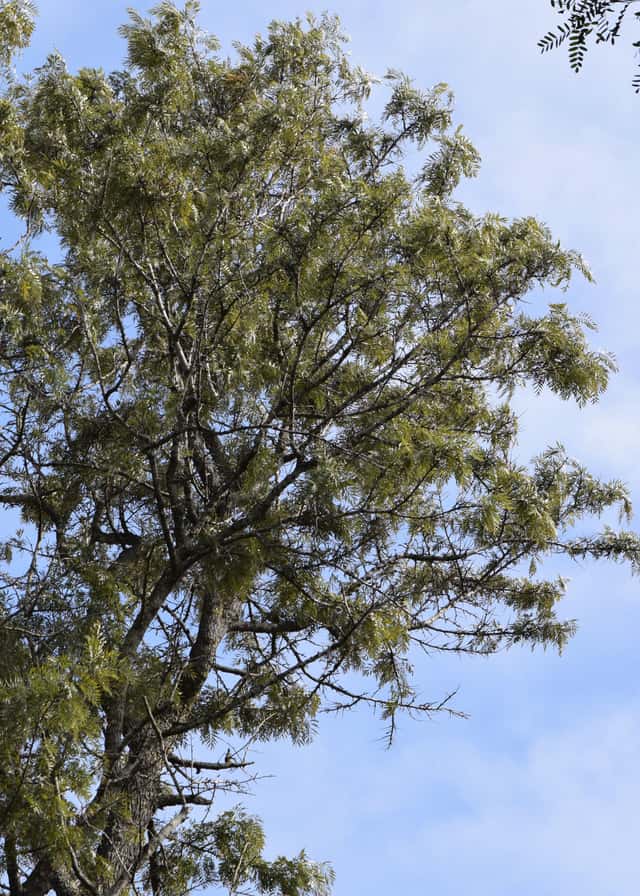
Silk Oak (Grevillea robusta) is a easy-care plant from the Proteaceae family. The Silk Oak is the largest species in the genus Grevillea, native to the east coast of Australia. It is a fast-growing tree, famous for its delicate fern-like foliage and spectacular golden-orange brush-like flowers. Although it can reach great heights in the wild, it is often grown in pots when yo...
Silk Oak grows up to 30.0m, spread of 750cm, watering every 10 days, -8°C – 40°C, 30–50% humidity. It is suitable for indoor environments and safe for pets.
Unlike many tropical plants, Silk Oak tolerates watering mistakes. Best for beginners. Unlike many popular species, Silk Oak is safe to keep around pets. Without adequate drainage, root rot can develop within 20 days.
How to Care for Silk Oak?
TLDR: Silk Oak needs Direct sun, watering every 10 days, and temperatures between -8-40°C with 30-50% humidity.
How Often Should You Water Silk Oak?
Water deeply when the soil is dry to the touch, but never let the plant sit in standing water.
How Much Light Does Silk Oak Need?
For healthy growth, place the plant in a full sun location. If kept indoors, it should be near very sunny windows.
What Is the Best Soil for Silk Oak?
Prefers slightly acidic to neutral soils. Avoid calcareous or excessively alkaline soils.
What Pot Should You Use for Silk Oak?
Deep terracotta pots with drainage holes to accommodate the vigorous root system.
Care Schedule
Fertilize
Every 60 days
Rotate
Every 90 days
Repot
Every 730 days
What Is Silk Oak and Where Does It Come From?
The Silk Oak is the largest species in the genus Grevillea, native to the east coast of Australia. It is a fast-growing tree, famous for its delicate fern-like foliage and spectacular golden-orange brush-like flowers. Although it can reach great heights in the wild, it is often grown in pots when young due to the beauty of its silver-backed leaves.
How to Propagate Silk Oak?
Sowing
- Avoid fertilizers with high phosphorus content, as the species is sensitive to this nutrient.
- 1 Seed Preparation
Use fresh, winged seeds collected after the fruits open naturally.
- 2 Planting
Sow in a light, sandy substrate, covering lightly with soil.
- 3 Germination
Keep the soil moist and in a warm location until seedlings emerge.
Materials needed:
Stem cuttings
- Using bottom heat can increase the chances of rooting success.
- 1 Cutting
Take semi-hardwood cuttings approximately 4-6 inches (10-15 cm) long.
- 2 Treatment
Remove the lower leaves and use rooting hormone at the base.
- 3 Planting
Insert into a perlite and peat moss mix, maintaining high humidity.
Materials needed:
How Big Does Silk Oak Grow?
TLDR: Silk Oak can reach up to 30.0m tall with Fast growth rate.
Max height
30.0m
Spread
7.5m
Growth rate
Fast
Foliage
Evergreen
Warning: Toxic Plant
This plant can be toxic if ingested. Keep out of reach of:
Plant Uses
Ornamental
Great for decoration
Is your plant showing symptoms?
Click on the symptom to discover possible causes:
What Diseases Commonly Affect Silk Oak?
TLDR: Silk Oak is susceptible to 9 known diseases. Monitor regularly for early detection.
Root Rot
Root rot is a serious fungal disease that affects the root system of plants, causing them to decay and die. It is primarily caused by overwatering, poor drainage, or soil-borne fungi such as Pythium, Phytophthora, Rhizoctonia, and Fusarium. The disease thrives in waterlogged conditions where roots are deprived of oxygen, making them susceptible to fungal infection.
Phytophthora Root Rot
Disease caused by fungus-like organisms (oomycetes) that live in soil and can survive for years. It affects roots, stem, and crown of plants, being especially severe in waterlogged or poorly drained soils. It is the second most common cause of root rot in trees and shrubs.
Leaf Spot
Leaf spot is a common fungal disease caused by various pathogens including Alternaria, Ascochyta, Colletotrichum, Septoria, and Venturia. It primarily affects leaves, causing discolored spots that can lead to premature leaf drop if left untreated.
Powdery Mildew
Powdery mildew is a common fungal disease caused by various fungi species including Erysiphe, Podosphaera, Oïdium, and Leveillula. It affects over 10,000 plant species worldwide. The disease thrives in warm, dry climates with high humidity and appears as a distinctive white powdery coating on plant surfaces.
Meaning & Symbolism
Represents resilience, adaptability, and natural elegance.
Compare with similar plants
| Attribute | Difficulty | Light | Watering | Pet Safe |
|---|---|---|---|---|
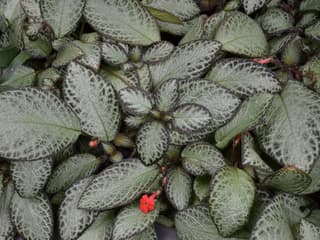
| Flame Violet | Easy | Partial shade | 7d | ✓ |
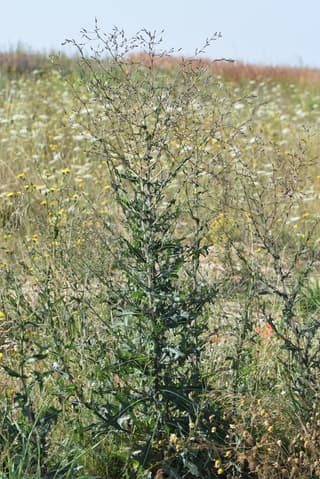
| Prickly Lettuce | Easy | Direct sun | 7d | ✓ |
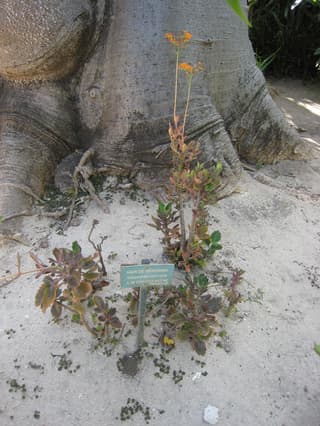
| Christmas Tree Plant | Easy | Bright indirect | 10d | ⚠️ |
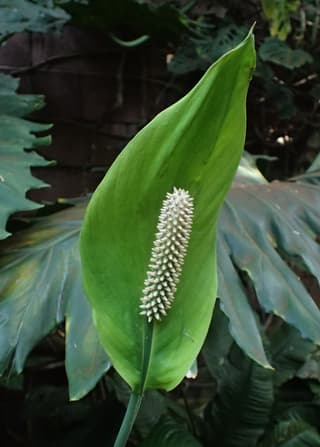
| Peace Lily | Easy | Low light | 7d | ⚠️ |