Buxaceae
Japanese Boxwood (Buxus microphylla): Complete Care Guide
Buxus microphylla
Japanese Boxwood is a low-maintenance, long-lived evergreen shrub perfect for formal and informal gardens alike. Provide full sun to partial shade, well-draining slightly acidic soil, and moderate watering. It tolerates heavy pruning and can be shaped into virtually any form. Monitor regularly for boxwood blight and leafminer, and fertilize lightly in spring and late summer.
Every 10 days
Bright indirect
-15° - 35°C
30% - 50%
Categories
What is Japanese Boxwood?
Japanese Boxwood (Buxus microphylla) is a easy-care plant from the Buxaceae family. Japanese Boxwood (Buxus microphylla) is a slow-growing, evergreen shrub native to Japan and Korea, prized for its dense, compact mounding habit and small, glossy dark green leaves. It is one of the most versatile shrubs in formal horticulture, widely used for hedges, borders, topiary, and foundation...
Japanese Boxwood grows up to 1.2m, spread of 120cm, watering every 10 days, -15°C – 35°C, 30–50% humidity. It is suitable for indoor environments and not safe for pets.
Unlike many tropical plants, Japanese Boxwood tolerates watering mistakes. Best for beginners. Without precautions, ingestion can cause irritation in pets. Keep out of reach of cats and dogs. Without adequate drainage, root rot can develop within 20 days.
How to Care for Japanese Boxwood?
TLDR: Japanese Boxwood needs Bright indirect, watering every 10 days, and temperatures between -15-35°C with 30-50% humidity.
How Often Should You Water Japanese Boxwood?
Water Japanese Boxwood every 7–14 days, allowing the top inch of soil to dry slightly between waterings. Avoid waterlogging, as consistently wet roots promote root rot. During hot summer months, you may need to water more frequently. Always water at the base to keep foliage dry.
How Much Light Does Japanese Boxwood Need?
Japanese Boxwood thrives in full sun to partial shade (4–8 hours of direct light per day). In hot climates, provide afternoon shade to prevent leaf scorch. Indoors, place near a bright, south- or east-facing window. Avoid dense shade, which causes leggy growth and reduces foliage density.
What Is the Best Soil for Japanese Boxwood?
Use well-draining, slightly acidic soil (pH 6.0–6.5) enriched with organic matter. A mix of loamy garden soil, coarse sand, and compost works well. Avoid heavy clay soils that retain excessive moisture. Mulching around the base helps regulate moisture and soil temperature.
What Pot Should You Use for Japanese Boxwood?
Terracotta or ceramic pots are ideal as they allow root breathability and prevent overwatering. For topiary specimens, use heavy, stable containers. Always ensure pots have generous drainage holes. For outdoor hedges, in-ground planting is preferred.
Care Schedule
Fertilize
Every 45 days
Repot
Every 730 days
What Is Japanese Boxwood and Where Does It Come From?
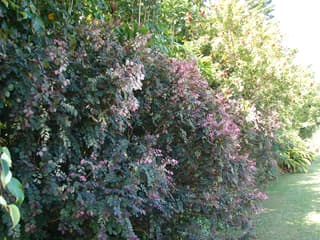
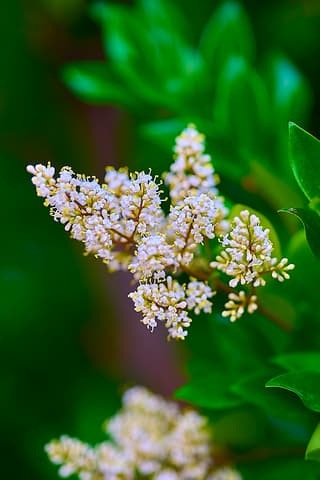
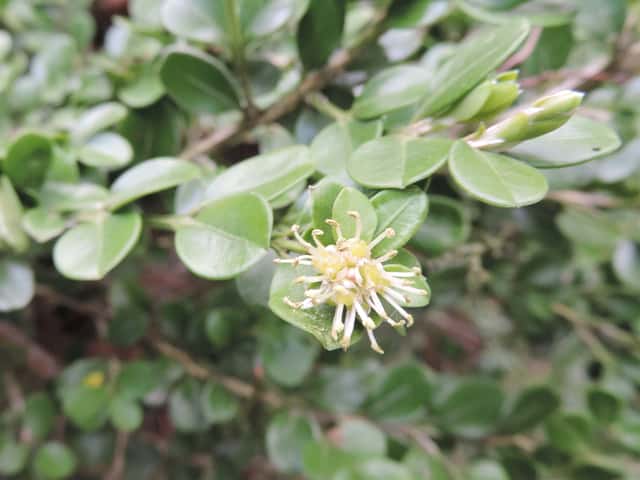
Japanese Boxwood (Buxus microphylla) is a slow-growing, evergreen shrub native to Japan and Korea, prized for its dense, compact mounding habit and small, glossy dark green leaves. It is one of the most versatile shrubs in formal horticulture, widely used for hedges, borders, topiary, and foundation plantings. In spring it produces small, fragrant cream-yellow flowers. Remarkably long-lived and cold-hardy, it thrives in USDA zones 6–9.
How to Propagate Japanese Boxwood?
Semi-hardwood stem cutting
Use clean, sterilized pruners. Maintain consistent moisture without overwatering. Mist foliage lightly if humidity drops.
- 1 Take a 3–5 inch semi-hardwood cutting with 2–3 leaf pairs in late summer
- 2 Remove lower leaves and dip the cut end in rooting hormone powder
- 3 Insert into a moist, well-draining medium (perlite and coarse sand)
- 4 Cover with a plastic bag or humidity dome to retain moisture
- 5 Keep at 65–72°F (18–22°C) out of direct sun until rooted
- 6 Transplant to individual pots once roots are 1–2 inches long
Materials needed:
How Big Does Japanese Boxwood Grow?
TLDR: Japanese Boxwood can reach up to 1.2m tall with Slow growth rate.
Max height
1.2m
Spread
1.2m
Growth rate
Slow
Foliage
Evergreen
Warning: Toxic Plant
This plant can be toxic if ingested. Keep out of reach of:
Plant Uses
Ornamental
Great for decoration
Ground Cover
Soil coverage
Is your plant showing symptoms?
Click on the symptom to discover possible causes:
What Diseases Commonly Affect Japanese Boxwood?
TLDR: Japanese Boxwood is susceptible to 8 known diseases. Monitor regularly for early detection.
Calonectria pseudonaviculata
Canker
Canker is a disease caused by various fungi and bacteria that create necrotic, sunken areas on bark of branches, stems, and trunks. Pathogens enter through wounds and natural openings, especially when plants are stressed. Canker can gradually weaken or kill branches by disrupting water and nutrient flow.
Leaf Spot
Leaf spot is a common fungal disease caused by various pathogens including Alternaria, Ascochyta, Colletotrichum, Septoria, and Venturia. It primarily affects leaves, causing discolored spots that can lead to premature leaf drop if left untreated.
Phytophthora Root Rot
Disease caused by fungus-like organisms (oomycetes) that live in soil and can survive for years. It affects roots, stem, and crown of plants, being especially severe in waterlogged or poorly drained soils. It is the second most common cause of root rot in trees and shrubs.
Meaning & Symbolism
In East Asian cultures, boxwood symbolizes longevity, endurance, and timeless order. Its unwavering evergreen nature and slow, steady growth represent resilience and precision — qualities mirrored in the formal topiary gardens where it has been cultivated for centuries.
Fun Facts
Japanese Boxwood can live for over 100 years under ideal conditions, making it one of the most long-lived ornamental shrubs in cultivation.
The tiny flowers, though inconspicuous, produce a distinctive sweet honey-like fragrance in spring that attracts bees and other pollinators.
Boxwood wood is extremely dense and hard — historically prized for carving, musical instruments, and woodblock printing.
Japanese Boxwood is highly resistant to deer browsing, making it an excellent choice for gardens in wildlife-prone areas.
Frequently asked questions
How often should I water Japanese Boxwood?
Is Japanese Boxwood toxic to pets?
How often should I prune Japanese Boxwood?
Can Japanese Boxwood grow indoors?
What is boxwood blight and how do I prevent it?
Compare with similar plants
| Attribute | Difficulty | Light | Watering | Pet Safe |
|---|---|---|---|---|
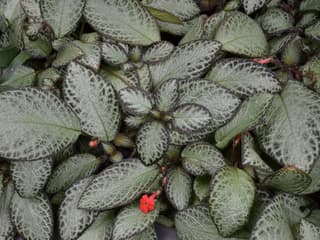
| Flame Violet | Easy | Partial shade | 7d | ✓ |
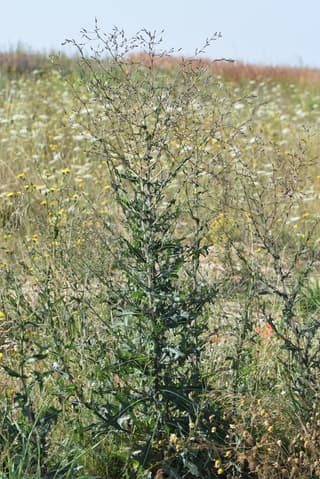
| Prickly Lettuce | Easy | Direct sun | 7d | ✓ |
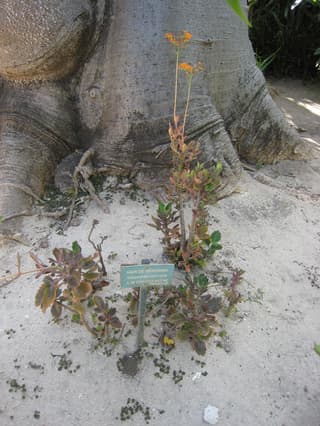
| Christmas Tree Plant | Easy | Bright indirect | 10d | ⚠️ |
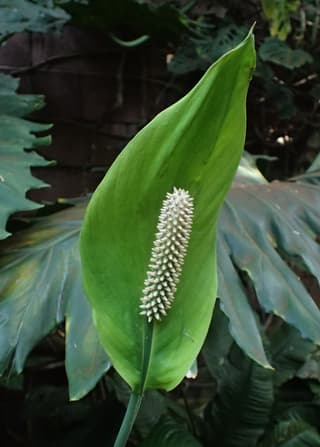
| Peace Lily | Easy | Low light | 7d | ⚠️ |