Curtisiaceae
Assegai tree: Medicinal Uses & Care Tips
Curtisia dentata
Requires full sun or partial shade and well-drained soil. It is a hardy tree once established, but needs regular watering during the first few years.
Every 10 days
Bright indirect
10° - 35°C
50% - 80%
Categories
What is Assegai tree?
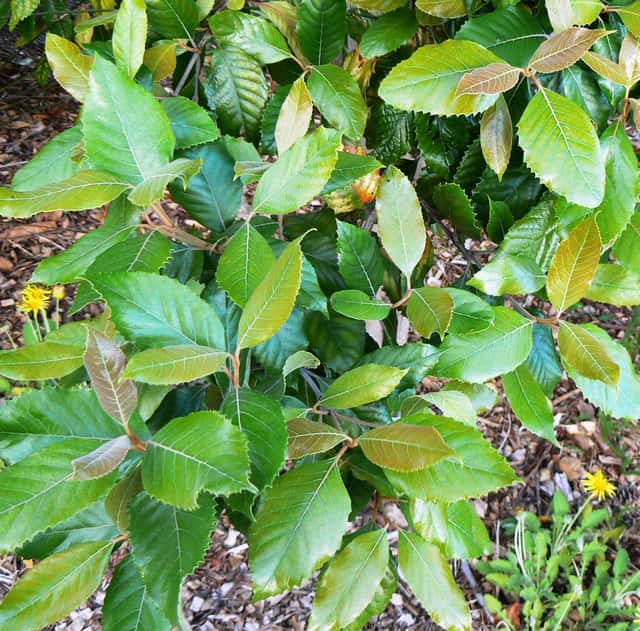
Assegai tree (Curtisia dentata) is a easy-care plant from the Curtisiaceae family. Curtisia dentata, commonly known as the Assegai tree, is a majestic evergreen tree native to Southern Africa. It features leathery, glossy dark green leaves with very characteristic serrated edges. Its bark is dark gray and becomes fissured with age. Historically, its extremely dense and durable woo...
Assegai tree grows up to 20.0m, spread of 600cm, watering every 10 days, 10°C – 35°C, 50–80% humidity. It is not suitable for indoor environments and safe for pets.
Unlike many tropical plants, Assegai tree tolerates watering mistakes. Best for beginners. Unlike many popular species, Assegai tree is safe to keep around pets.
How to Care for Assegai tree?
TLDR: Assegai tree needs Bright indirect, watering every 10 days, and temperatures between 10-35°C with 50-80% humidity.
How Often Should You Water Assegai tree?
Water deeply once a week. In winter, reduce frequency, allowing the top layer of soil to dry out.
How Much Light Does Assegai tree Need?
While it tolerates partial shade when young, full growth and flowering are optimized under direct sun.
What Is the Best Soil for Assegai tree?
Prefers deep, organic-rich soils with excellent drainage to prevent root rot.
What Pot Should You Use for Assegai tree?
Not recommended for long-term container cultivation due to its large size and deep root system.
Care Schedule
Fertilize
Every 35 days
Repot
Every 730 days
What Is Assegai tree and Where Does It Come From?
Curtisia dentata, commonly known as the Assegai tree, is a majestic evergreen tree native to Southern Africa. It features leathery, glossy dark green leaves with very characteristic serrated edges. Its bark is dark gray and becomes fissured with age. Historically, its extremely dense and durable wood was used by indigenous peoples to manufacture spear shafts (assegais). It produces small white fruits that attract various bird species.
How to Propagate Assegai tree?
Sowing
- Old seeds lose viability quickly; use seeds harvested in the same season.
- Avoid waterlogging to prevent seed rot.
- 1 Collection and Cleaning
Harvest ripe (white) fruits and remove the fleshy pulp to extract the seed.
- 2 Substrate Preparation
Prepare a mixture of equal parts river sand and organic compost.
- 3 Planting
Sow fresh seeds at a depth of 1cm and keep the soil moist in a warm location.
Materials needed:
Semi-hardwood Cuttings
- Using a misting system significantly increases the chances of success.
- Keep cuttings away from direct sunlight until they take root.
- 1 Taking Cuttings
Take 10-15cm cuttings from healthy branches of the current year.
- 2 Treatment
Remove lower leaves and dip the base in rooting hormone powder.
- 3 Rooting
Insert into a sterile propagation medium and maintain under high humidity and bottom heat.
Materials needed:
How Big Does Assegai tree Grow?
TLDR: Assegai tree can reach up to 20.0m tall with Fast growth rate.
Max height
20.0m
Spread
6.0m
Growth rate
Fast
Foliage
Evergreen
Plant Uses
Ornamental
Great for decoration
Medicinal
Medicinal properties
Medicinal Uses
- Treatment of stomach disorders
- Blood purification
- Use of bark in traditional infusions
Is your plant showing symptoms?
Click on the symptom to discover possible causes:
What Diseases Commonly Affect Assegai tree?
TLDR: Assegai tree is susceptible to 7 known diseases. Monitor regularly for early detection.
Damping Off
Damping off is a soil-borne fungal disease that affects seeds and young seedlings, causing rotting of stem and root tissues at and below the soil line. It is caused by several fungi including Pythium, Rhizoctonia, Fusarium, and Phytophthora. The disease thrives in cold, wet conditions with poor air circulation.
Aphids
Aphids are small, soft-bodied, pear-shaped insects (1/16 to 1/8 inch long) that feed by sucking nutrient-rich sap from plants. They reproduce rapidly and can quickly weaken plants, causing distorted growth and transmitting plant viruses. Aphids come in various colors including green, black, red, yellow, brown, and gray. They secrete honeydew, a sticky substance that attracts ants and encourages sooty mold growth.
Caterpillars
Caterpillars are the larval stage of moths and butterflies that feed voraciously on plant foliage, stems, flowers, and fruits. Common species include cabbage loopers, tomato hornworms, armyworms, and cutworms. These pests can cause extensive damage by consuming large amounts of plant tissue in a short time. They vary in size from small (1/4 inch) to large (5 inches), with colors ranging from green to brown, often featuring stripes or spots. Caterpillars are highly mobile and can quickly spread throughout gardens, making them one of the most destructive common pests.
Leaf Spot
Leaf spot is a common fungal disease caused by various pathogens including Alternaria, Ascochyta, Colletotrichum, Septoria, and Venturia. It primarily affects leaves, causing discolored spots that can lead to premature leaf drop if left untreated.
Meaning & Symbolism
Symbolizes resilience, protection, and the connection between the land and ancestral defense.
Compare with similar plants
| Attribute | Difficulty | Light | Watering | Pet Safe |
|---|---|---|---|---|
| Field Maple | Easy | Bright indirect | 14d | ✓ |
| Silver Birch | Easy | Direct sun | 14d | ✓ |
| Common Blanketflower | Easy | Direct sun | 10d | ✓ |
| Cushion Bush | Easy | Direct sun | 14d | ✓ |





