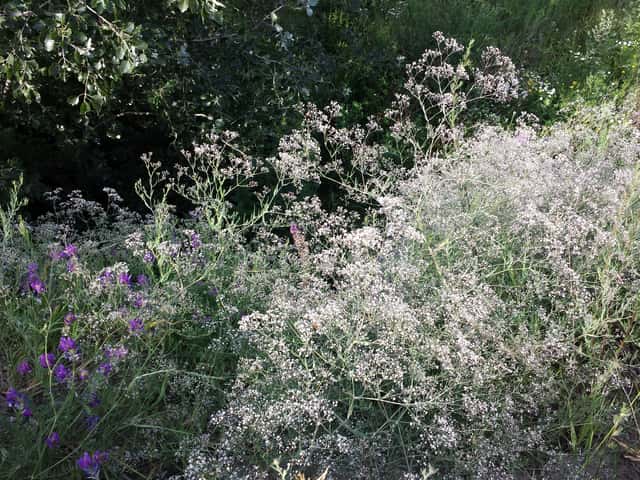
Caryophyllaceae
Baby's Breath (Gypsophila paniculata): Complete Care Guide
Gypsophila paniculata
Baby's Breath is an easy-care outdoor perennial. Plant in full sun with well-drained alkaline soil. Water deeply but infrequently — it is drought-tolerant. Fertilize lightly in spring. Deadhead spent blooms to encourage reblooming. Cut back after the first bloom for a second flush in late summer.
Every 10 days
Direct sun
-20° - 24°C
30% - 50%
Categories
What is Baby's Breath?
Baby's Breath (Gypsophila paniculata) is a easy-care plant from the Caryophyllaceae family. Gypsophila paniculata, commonly known as Baby's Breath, is a graceful perennial flowering plant native to Europe and Asia. It produces clouds of tiny white or pale pink flowers on delicate, airy stems, making it a beloved staple in floral arrangements and cottage gardens. It thrives in full sun with...
Baby's Breath grows up to 1.0m, spread of 90cm, watering every 10 days, -20°C – 24°C, 30–50% humidity. It is not suitable for indoor environments and not safe for pets.
Unlike many tropical plants, Baby's Breath tolerates watering mistakes. Best for beginners. Without precautions, ingestion can cause irritation in pets. Keep out of reach of cats and dogs.
How to Care for Baby's Breath?
TLDR: Baby's Breath needs Direct sun, watering every 10 days, and temperatures between -20-24°C with 30-50% humidity.
How Often Should You Water Baby's Breath?
Water deeply but infrequently, allowing the soil to dry out between waterings. Use the soak-and-dry method — overwatering leads to root rot. Established plants are drought-tolerant and prefer dry conditions.
How Much Light Does Baby's Breath Need?
Requires a minimum of 6 hours of full direct sunlight daily for vigorous flowering. Tolerates light afternoon shade in very hot climates, but too much shade leads to leggy growth and fewer blooms.
What Is the Best Soil for Baby's Breath?
Plant in well-drained, loamy or sandy soil with a slightly alkaline pH (7.0–8.0). Avoid clay-heavy or waterlogged soils. Adding lime to acidic soil improves performance significantly.
What Pot Should You Use for Baby's Breath?
Terracotta pot or raised garden bed — excellent drainage is essential. Avoid plastic pots that retain moisture.
Care Schedule
Fertilize
Every 30 days
What Is Baby's Breath and Where Does It Come From?
Gypsophila paniculata, commonly known as Baby's Breath, is a graceful perennial flowering plant native to Europe and Asia. It produces clouds of tiny white or pale pink flowers on delicate, airy stems, making it a beloved staple in floral arrangements and cottage gardens. It thrives in full sun with well-drained, slightly alkaline soil and is notably drought-tolerant once established.
How to Propagate Baby's Breath?
Seed Sowing
Direct sowing is preferred as Baby's Breath does not transplant well due to its taproot. Sow in succession every 2-3 weeks for continuous blooms.
- 1 Sow seeds directly in the garden after the last frost, or start indoors 6-8 weeks before transplanting.
- 2 Lightly press seeds into well-drained, alkaline soil — do not cover deeply as they need light to germinate.
- 3 Keep soil moderately moist until germination occurs in 10-15 days.
- 4 Thin seedlings to 30-45 cm apart to allow good airflow.
Materials needed:
Stem Cutting
Use cuttings from non-flowering stems for best results. Maintain consistent moisture without waterlogging.
- 1 Take a 7-12 cm stem cutting from a healthy plant in spring before flowering.
- 2 Remove lower leaves and dip the cut end in rooting hormone powder.
- 3 Insert into a moist, well-drained rooting medium.
- 4 Keep in a warm, bright location out of direct sun until roots develop in 3-4 weeks.
Materials needed:
How Big Does Baby's Breath Grow?
TLDR: Baby's Breath can reach up to 1.0m tall with Fast growth rate.
Max height
1.0m
Spread
90cm
Growth rate
Fast
Foliage
Deciduous
Warning: Toxic Plant
This plant can be toxic if ingested. Keep out of reach of:
Plant Uses
Ornamental
Great for decoration
Is your plant showing symptoms?
Click on the symptom to discover possible causes:
What Diseases Commonly Affect Baby's Breath?
TLDR: Baby's Breath is susceptible to 13 known diseases. Monitor regularly for early detection.
Root Rot
Root rot is a serious fungal disease that affects the root system of plants, causing them to decay and die. It is primarily caused by overwatering, poor drainage, or soil-borne fungi such as Pythium, Phytophthora, Rhizoctonia, and Fusarium. The disease thrives in waterlogged conditions where roots are deprived of oxygen, making them susceptible to fungal infection.
Pythium Root Rot
Pythium root rot is a serious fungal disease caused by various Pythium species including P. aphanidermatum, P. ultimum, and P. irregulare. These water molds are present in practically all cultivated soils and attack plant roots under wet conditions, causing rapid wet rot that can extend into the stem. The disease is favored by poor drainage, overwatering, and specific temperatures depending on the species.
Phytophthora Root Rot
Disease caused by fungus-like organisms (oomycetes) that live in soil and can survive for years. It affects roots, stem, and crown of plants, being especially severe in waterlogged or poorly drained soils. It is the second most common cause of root rot in trees and shrubs.
Crown Rot
Crown rot is a serious fungal disease that attacks the crown (base) of the plant where the stem meets the soil. It is caused by various fungal pathogens including Phytophthora, Fusarium, and Rhizoctonia. The disease thrives in waterlogged conditions and can quickly spread to kill the entire plant if not addressed promptly.
Meaning & Symbolism
Baby's Breath symbolizes innocence, purity, and everlasting love. It is traditionally associated with weddings and new beginnings, and often used to convey a message of lasting affection.
Fun Facts
Baby's Breath is native to the steppes of Eastern Europe and Central Asia, where it grows wild in rocky, chalky soils.
The name Gypsophila comes from the Greek words for 'gypsum' and 'loving' — referring to the plant's love of chalk-rich, alkaline soils.
A single Baby's Breath plant can produce thousands of tiny flowers in a single season, creating its signature cloud-like appearance.
Baby's Breath is one of the most widely used flowers in the cut flower industry, second only to roses as a filler flower in arrangements.
Frequently asked questions
How often should I water Baby's Breath?
Does Baby's Breath spread or become invasive?
Is Baby's Breath toxic to pets?
Why is my Baby's Breath not blooming?
Can Baby's Breath be grown in containers?
Compare with similar plants
| Attribute | Difficulty | Light | Watering | Pet Safe |
|---|---|---|---|---|
| Field Maple | Easy | Bright indirect | 14d | ✓ |
| Silver Birch | Easy | Direct sun | 14d | ✓ |
| Common Blanketflower | Easy | Direct sun | 10d | ✓ |
| Cushion Bush | Easy | Direct sun | 14d | ✓ |





