Moraceae
Black Mulberry (Morus nigra): Complete Growing Guide
Morus nigra
Plant in full sun. Water every 14 days in dry periods, less in winter. Use fertile, well-drained soil. Prune annually in winter. Fertilize once a year with organic compost.
Every 14 days
Direct sun
5° - 35°C
40% - 70%
Categories
What is Black Mulberry?
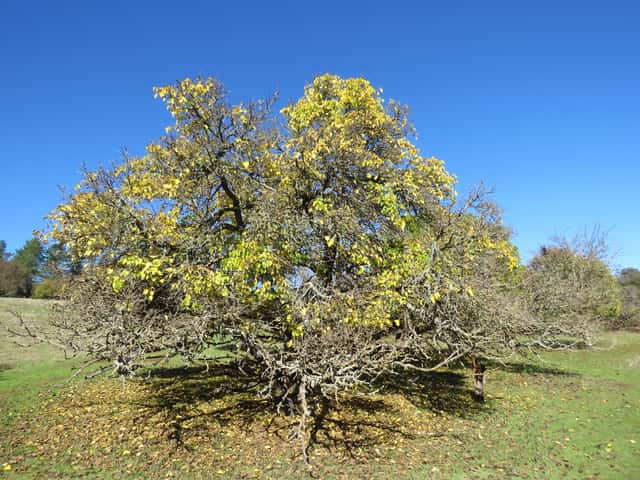
Black Mulberry (Morus nigra) is a easy-care plant from the Moraceae family. Morus nigra, commonly known as the Black Mulberry, is a deciduous fruit tree native to Southwest Asia, prized for its dark, juicy berries and ornamental value. It can grow up to 12 meters tall with a wide spreading canopy, making it an excellent choice for large gardens and orchards.
Black Mulberry grows up to 12.0m, spread of 1500cm, watering every 14 days, 5°C – 35°C, 40–70% humidity. It is not suitable for indoor environments and not safe for pets.
Unlike many tropical plants, Black Mulberry tolerates watering mistakes. Best for beginners. Without precautions, ingestion can cause irritation in pets. Keep out of reach of cats and dogs.
How to Care for Black Mulberry?
TLDR: Black Mulberry needs Direct sun, watering every 14 days, and temperatures between 5-35°C with 40-70% humidity.
How Often Should You Water Black Mulberry?
Water every 14 days during dry or warm periods. Reduce watering in winter during dormancy. Avoid waterlogged soil — excess moisture encourages root rot.
How Much Light Does Black Mulberry Need?
Requires full sun with at least 6 hours of direct sunlight daily for abundant fruit production and healthy growth.
What Is the Best Soil for Black Mulberry?
Prefers fertile, deep, well-drained soil enriched with organic matter. Slightly acidic to neutral pH (6.0–7.5). Avoid saline or poorly draining soils.
What Pot Should You Use for Black Mulberry?
Not applicable — outdoor garden or orchard tree
Care Schedule
Fertilize
Every 365 days
What Is Black Mulberry and Where Does It Come From?
Morus nigra, commonly known as the Black Mulberry, is a deciduous fruit tree native to Southwest Asia, prized for its dark, juicy berries and ornamental value. It can grow up to 12 meters tall with a wide spreading canopy, making it an excellent choice for large gardens and orchards.
How to Propagate Black Mulberry?
Stem Cutting
Use clean, sterilized tools. Keep substrate slightly moist without waterlogging.
- 1 Cut a semi-mature stem 20-25 cm long with 2-3 nodes
- 2 Remove lower leaves and dip base in rooting hormone
- 3 Plant in moist, well-draining substrate
- 4 Keep in indirect light until roots develop
Materials needed:
Seed Propagation
Germination can be irregular — be patient. Transplant when seedlings reach 10 cm tall.
- 1 Collect seeds from ripe berries and rinse thoroughly
- 2 Dry seeds in shade for 1-2 days
- 3 Sow in light, moist substrate 1 cm deep
- 4 Keep in a warm environment (20-25°C) until germination
Materials needed:
How Big Does Black Mulberry Grow?
TLDR: Black Mulberry can reach up to 12.0m tall with Fast growth rate.
Max height
12.0m
Spread
15.0m
Growth rate
Fast
Foliage
Deciduous
Warning: Toxic Plant
This plant can be toxic if ingested. Keep out of reach of:
Plant Uses
Ornamental
Great for decoration
Edible
Can be consumed
Medicinal Uses
- Berries have antioxidant properties; leaves are used in teas for blood sugar regulation in traditional medicine
Culinary Uses
- Ripe berries eaten fresh or used in jams, juices, ice creams, wines, and liqueurs
Is your plant showing symptoms?
Click on the symptom to discover possible causes:
What Diseases Commonly Affect Black Mulberry?
TLDR: Black Mulberry is susceptible to 10 known diseases. Monitor regularly for early detection.
Powdery Mildew
Powdery mildew is a common fungal disease caused by various fungi species including Erysiphe, Podosphaera, Oïdium, and Leveillula. It affects over 10,000 plant species worldwide. The disease thrives in warm, dry climates with high humidity and appears as a distinctive white powdery coating on plant surfaces.
Bacterial Blight
Bacterial blight is a serious plant disease caused by pathogenic bacteria that enters plants through wounds or natural openings. It spreads rapidly in warm, wet conditions and can cause significant damage to leaves, stems, and flowers. The bacteria are transmitted by water splash, contaminated tools, and insects.
Bacterial Canker
Serious bacterial disease affecting stone fruits and tomatoes caused by Pseudomonas syringae or Clavibacter michiganensis. Creates sunken lesions that ooze sap.
Leaf Spot
Leaf spot is a common fungal disease caused by various pathogens including Alternaria, Ascochyta, Colletotrichum, Septoria, and Venturia. It primarily affects leaves, causing discolored spots that can lead to premature leaf drop if left untreated.
Meaning & Symbolism
Symbol of devotion and resilience. In some cultures, it represents wisdom and longevity; in others, sorrow and the passage of time.
Fun Facts
Black Mulberry has been cultivated for over 3,000 years and was prized in Ancient Rome for its medicinal fruits
The ripe berries produce an intense staining dye — historically used as a natural fabric colorant
Silk is produced by caterpillars that feed on mulberry leaves, primarily white mulberry (Morus alba)
In favourable climates, a Black Mulberry tree can live for over 500 years
Frequently asked questions
How often should I water a Black Mulberry tree?
Is Black Mulberry toxic to pets?
When should I prune Black Mulberry?
How long does it take for Black Mulberry to bear fruit?
Can Black Mulberry be grown in a container?
Compare with similar plants
| Attribute | Difficulty | Light | Watering | Pet Safe |
|---|---|---|---|---|
| Field Maple | Easy | Bright indirect | 14d | ✓ |
| Silver Birch | Easy | Direct sun | 14d | ✓ |
| Common Blanketflower | Easy | Direct sun | 10d | ✓ |
| Cushion Bush | Easy | Direct sun | 14d | ✓ |





