Asteraceae
Blanket Flower (Gaillardia x grandiflora): Complete Care Guide
Gaillardia x grandiflora
Easy to grow in full sun with excellent drainage. Water moderately, allowing soil to dry between waterings. Tolerates poor soil and drought. Deadhead spent flowers to prolong blooming season throughout summer and fall.
Every 10 days
Direct sun
-29° - 40°C
30% - 60%
Categories
What is Blanket Flower?
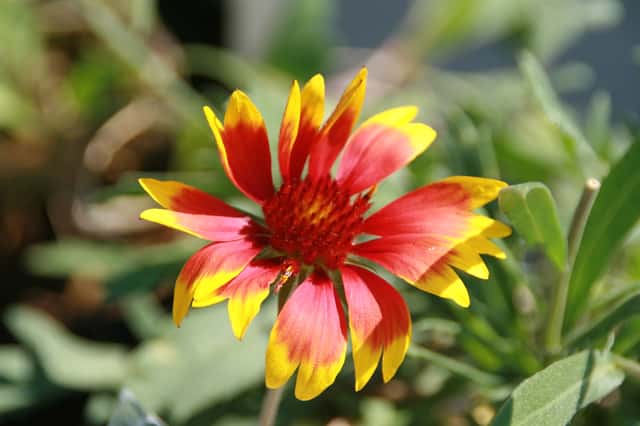
Blanket Flower (Gaillardia x grandiflora) is a easy-care plant from the Asteraceae family. Gaillardia x grandiflora, commonly known as blanket flower, is a vigorous hybrid perennial native to North America. Its bold, daisy-like flowers in shades of red, orange, and yellow bloom from late spring through fall, making it one of the most colorful and low-maintenance ornamentals for sunny gard...
Blanket Flower grows up to 90cm, spread of 60cm, watering every 10 days, -29°C – 40°C, 30–60% humidity. It is not suitable for indoor environments and safe for pets.
Unlike many tropical plants, Blanket Flower tolerates watering mistakes. Best for beginners. Unlike many popular species, Blanket Flower is safe to keep around pets.
How to Care for Blanket Flower?
TLDR: Blanket Flower needs Direct sun, watering every 10 days, and temperatures between -29-40°C with 30-60% humidity.
How Often Should You Water Blanket Flower?
Water every 7-14 days, allowing the soil to dry out completely between waterings. Blanket flower is very drought-tolerant and is more likely to suffer from overwatering than underwatering. During heavy rains, ensure the soil drains well to prevent root rot.
How Much Light Does Blanket Flower Need?
Plant in full sun with at least 6-8 hours of direct sunlight per day. The more sun it receives, the more abundantly it will flower. In partial shade, the plant grows but produces significantly fewer blooms.
What Is the Best Soil for Blanket Flower?
Prefers well-drained, sandy, or even poor soils. Avoid heavy clay or waterlogged soils. Does not require rich or amended soil — in overly fertile ground, it tends to produce lush foliage with fewer flowers.
What Pot Should You Use for Blanket Flower?
Terracotta or unglazed ceramic pot with drainage holes. Terracotta is ideal as it allows good root aeration and quick soil drying, preventing excess moisture that can cause root rot.
What Is Blanket Flower and Where Does It Come From?
Gaillardia x grandiflora, commonly known as blanket flower, is a vigorous hybrid perennial native to North America. Its bold, daisy-like flowers in shades of red, orange, and yellow bloom from late spring through fall, making it one of the most colorful and low-maintenance ornamentals for sunny gardens. It is highly tolerant of heat, drought, and poor soils, thriving where many other plants struggle.
How to Propagate Blanket Flower?
Seed propagation
Direct sowing in the garden after the last frost works very well. Thin seedlings to 12 inches apart for best performance.
- 1 Sow seeds in trays with light, well-drained potting mix
- 2 Cover lightly with mix and keep moist
- 3 Germination occurs in 14-21 days at 68-77°F (20-25°C)
- 4 Transplant to final location after 6-8 weeks
Materials needed:
Crown division
Division rejuvenates older plants and improves flowering. Perform every 2-3 years to maintain plant vigor.
- 1 Dig up the entire clump in spring
- 2 Gently divide the root mass into 2-3 sections
- 3 Replant immediately in a well-drained location
- 4 Water well after planting and keep moist for 2 weeks
Materials needed:
How Big Does Blanket Flower Grow?
TLDR: Blanket Flower can reach up to 90cm tall with Fast growth rate.
Max height
90cm
Spread
60cm
Growth rate
Fast
Foliage
Deciduous
Warning: Toxic Plant
This plant can be toxic if ingested. Keep out of reach of:
Plant Uses
Ornamental
Great for decoration
Is your plant showing symptoms?
Click on the symptom to discover possible causes:
What Diseases Commonly Affect Blanket Flower?
TLDR: Blanket Flower is susceptible to 13 known diseases. Monitor regularly for early detection.
Powdery Mildew
Powdery mildew is a common fungal disease caused by various fungi species including Erysiphe, Podosphaera, Oïdium, and Leveillula. It affects over 10,000 plant species worldwide. The disease thrives in warm, dry climates with high humidity and appears as a distinctive white powdery coating on plant surfaces.
Bacterial Leaf Spot
Bacterial leaf spot is a plant disease caused by bacteria in the Xanthomonas and Pseudomonas genera that affects various ornamental and edible plants. The bacteria infect leaves through wounds or natural openings, causing characteristic lesions that can lead to premature leaf drop and plant weakening.
Leaf Spot
Leaf spot is a common fungal disease caused by various pathogens including Alternaria, Ascochyta, Colletotrichum, Septoria, and Venturia. It primarily affects leaves, causing discolored spots that can lead to premature leaf drop if left untreated.
Gray Mold (Botrytis Blight)
Gray mold, caused by the fungus Botrytis cinerea, is one of the most common fungal diseases in plants. It affects over 200 plant species, including ornamentals, vegetables, fruits, and houseplants. The disease thrives in cool, humid conditions with poor air circulation, causing grayish spots and soft rot on infected tissues.
Meaning & Symbolism
Its vibrant warm colors symbolize vitality, joy, and resilience, inspired by the colorful blankets woven by Native American peoples of North America.
Fun Facts
Blanket flower can survive entire summers on rainfall alone once established
Its common name refers to the colorful blankets woven by Native American peoples
It is one of the longest-blooming perennials, flowering for 5-6 months
An excellent pollinator plant, attracting butterflies, bees, and beneficial insects
Frequently asked questions
How often should I water my blanket flower?
Is blanket flower toxic to pets?
Why has my blanket flower stopped blooming?
Is blanket flower a perennial or annual?
What is the best soil for blanket flower?
Compare with similar plants
| Attribute | Difficulty | Light | Watering | Pet Safe |
|---|---|---|---|---|
| Field Maple | Easy | Bright indirect | 14d | ✓ |
| Silver Birch | Easy | Direct sun | 14d | ✓ |
| Common Blanketflower | Easy | Direct sun | 10d | ✓ |
| Cushion Bush | Easy | Direct sun | 14d | ✓ |
Choose & Compare
Sources & References
- How to Grow Gaillardia (Blanket Flower) | Gardener's Path
- Gaillardia x grandiflora (Blanket Flower) | NC Extension Gardener Plant Toolbox
- Blanket Flowers: Planting, Growing, and Caring for Gaillardia | Almanac.com
- Gaillardia Diseases | Penn State Extension
- Blanket flower, Gaillardia spp. – Wisconsin Horticulture





