Apocynaceae
Calotropis: Complete Genus Care Guide
Calotropis
Full-sun, drought-tolerant shrub. Water deeply every 14 days, allowing soil to dry completely between waterings. Thrives in well-drained, slightly alkaline soils in USDA zones 9–12. Extremely heat-resistant.
Every 14 days
Direct sun
10° - 45°C
30% - 70%
Categories
What is Giant Milkweed (genus)?
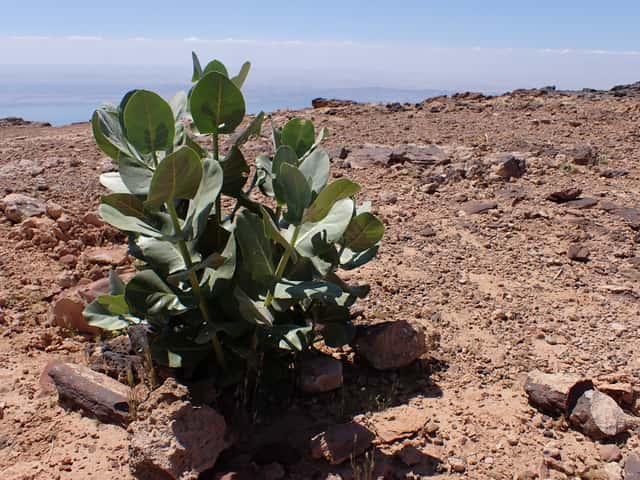
Giant Milkweed (genus) (Calotropis) is a easy-care plant from the Apocynaceae family. Calotropis is a genus of tropical and subtropical shrubs in the family Apocynaceae, native to Africa, the Middle East, and Asia. It includes species such as C. procera (apple of Sodom) and C. gigantea (crown flower). All parts exude a milky latex containing cardiac glycosides, making the plant sever...
Giant Milkweed (genus) grows up to 4.0m, spread of 250cm, watering every 14 days, 10°C – 45°C, 30–70% humidity. It is not suitable for indoor environments and not safe for pets.
Unlike many tropical plants, Giant Milkweed (genus) tolerates watering mistakes. Best for beginners. Without precautions, ingestion can cause irritation in pets. Keep out of reach of cats and dogs.
How to Care for Giant Milkweed (genus)?
TLDR: Giant Milkweed (genus) needs Direct sun, watering every 14 days, and temperatures between 10-45°C with 30-70% humidity.
How Often Should You Water Giant Milkweed (genus)?
Water deeply every 14 days. Allow soil to dry out completely before the next watering. Calotropis is highly drought-tolerant — overwatering is the primary cause of decline.
How Much Light Does Giant Milkweed (genus) Need?
Requires full sun (6–8+ hours of direct sunlight daily). Not suitable for indoor growing. Plant in the sunniest outdoor location available.
What Is the Best Soil for Giant Milkweed (genus)?
Use sandy or well-draining soil with a pH of 7.0–8.5. Avoid clay-heavy or waterlogged soils. Incorporate coarse sand or perlite to improve drainage.
What Pot Should You Use for Giant Milkweed (genus)?
Large terracotta pot with generous drainage holes, or plant directly in garden soil for best results.
Care Schedule
Fertilize
Every 14 days
Misting
Every 3 days
Rotate
Every 7 days
Repot
Every 365 days
What Is Giant Milkweed (genus) and Where Does It Come From?
Calotropis is a genus of tropical and subtropical shrubs in the family Apocynaceae, native to Africa, the Middle East, and Asia. It includes species such as C. procera (apple of Sodom) and C. gigantea (crown flower). All parts exude a milky latex containing cardiac glycosides, making the plant severely toxic.
How Big Does Giant Milkweed (genus) Grow?
TLDR: Giant Milkweed (genus) can reach up to 4.0m tall with Fast growth rate.
Max height
4.0m
Spread
2.5m
Growth rate
Fast
Foliage
Evergreen
Warning: Toxic Plant
This plant can be toxic if ingested. Keep out of reach of:
Plant Uses
Ornamental
Great for decoration
Medicinal
Medicinal properties
Is your plant showing symptoms?
Click on the symptom to discover possible causes:
What Diseases Commonly Affect Giant Milkweed (genus)?
TLDR: Giant Milkweed (genus) is susceptible to 5 known diseases. Monitor regularly for early detection.
Aphids
Aphids are small, soft-bodied, pear-shaped insects (1/16 to 1/8 inch long) that feed by sucking nutrient-rich sap from plants. They reproduce rapidly and can quickly weaken plants, causing distorted growth and transmitting plant viruses. Aphids come in various colors including green, black, red, yellow, brown, and gray. They secrete honeydew, a sticky substance that attracts ants and encourages sooty mold growth.
Spider Mites
Spider mites are tiny arachnids (less than 1/20 inch long) related to spiders and ticks that feed on plant sap. They thrive in hot, dry conditions and can cause significant damage to ornamental and vegetable plants. During severe infestations, crop losses can reach 14% or higher as these pests disrupt vital plant processes including photosynthesis, carbon dioxide absorption, and transpiration.
Mealybugs
Mealybugs are small, soft-bodied insects covered with a white, waxy, cottony material. They are common pests of houseplants and outdoor plants in mild climates. These sap-sucking insects feed on plant tissue, causing damage, stunted growth, and can lead to plant death if left untreated. They produce sticky honeydew which attracts sooty mold.
Leaf Spot
Leaf spot is a common fungal disease caused by various pathogens including Alternaria, Ascochyta, Colletotrichum, Septoria, and Venturia. It primarily affects leaves, causing discolored spots that can lead to premature leaf drop if left untreated.
Fun Facts
Calotropis latex contains calotropin, a cardiac glycoside reported to be up to 15 times more potent than strophanthin.
The inflated, spherical fruits of C. procera gave it the name "apple of Sodom" — they look appealing but are hollow and toxic.
Despite its toxicity, Calotropis has been used in Ayurvedic medicine for centuries to treat joint pain and skin conditions.
In Hawaii and Southeast Asia, Calotropis gigantea flowers are used in leis, garlands, and religious offerings.
Frequently asked questions
Is Calotropis poisonous?
How often should I water Calotropis?
Can Calotropis grow in a pot?
Compare with similar plants
| Attribute | Difficulty | Light | Watering | Pet Safe |
|---|---|---|---|---|
| Field Maple | Easy | Bright indirect | 14d | ✓ |
| Silver Birch | Easy | Direct sun | 14d | ✓ |
| Common Blanketflower | Easy | Direct sun | 10d | ✓ |
| Cushion Bush | Easy | Direct sun | 14d | ✓ |





