Dryopteridaceae
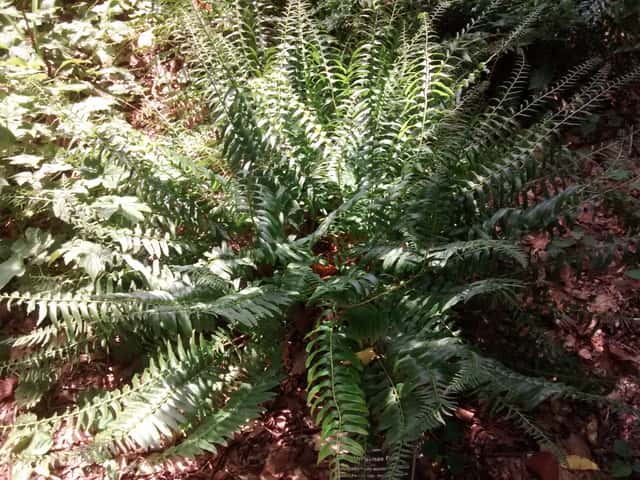
Christmas Fern: The Hardy Evergreen Shade Fern
Polystichum acrostichoides
An easy-care, shade-loving fern that thrives with minimal attention. Prefers consistently moist, well-drained humus-rich soil and tolerates drought once established. Requires little to no fertilizer. Remove old fronds in late winter to encourage fresh spring growth.
Every 10 days
Low light
-20° - 35°C
40% - 70%
Categories
What is Christmas Fern?
Christmas Fern (Polystichum acrostichoides) is a easy-care plant from the Dryopteridaceae family. Polystichum acrostichoides, commonly known as the Christmas Fern, is a robust, evergreen fern native to eastern North America. Its leathery, lance-shaped fronds remain green throughout winter, making it a standout plant during the holiday season. It thrives in shaded woodland settings and is prized...
Christmas Fern grows up to 90cm, spread of 90cm, watering every 10 days, -20°C – 35°C, 40–70% humidity. It is suitable for indoor environments and safe for pets.
Unlike many tropical plants, Christmas Fern tolerates watering mistakes. Best for beginners. Unlike many popular species, Christmas Fern is safe to keep around pets. Without adequate drainage, root rot can develop within 20 days.
How to Care for Christmas Fern?
TLDR: Christmas Fern needs Low light, watering every 10 days, and temperatures between -20-35°C with 40-70% humidity.
How Often Should You Water Christmas Fern?
Water regularly to keep soil evenly moist during the first growing season. Once established, Christmas Fern is drought-tolerant and usually needs watering only during prolonged dry spells — approximately every 10 days in dry conditions.
How Much Light Does Christmas Fern Need?
Thrives in partial to full shade. Avoid direct afternoon sun, which can scorch fronds and cause them to turn pale. Morning dappled light is tolerated if moisture is adequate.
What Is the Best Soil for Christmas Fern?
Plant in organically rich, well-drained woodland soil with a slightly acidic to neutral pH (5.0–7.0). Incorporate leaf mold or compost to improve moisture retention and fertility. Avoid waterlogged or compacted clay soils.
What Pot Should You Use for Christmas Fern?
Terracotta or ceramic pot with drainage holes for indoor use; in the ground, plant directly in shaded beds enriched with leaf mold.
What Is Christmas Fern and Where Does It Come From?
Polystichum acrostichoides, commonly known as the Christmas Fern, is a robust, evergreen fern native to eastern North America. Its leathery, lance-shaped fronds remain green throughout winter, making it a standout plant during the holiday season. It thrives in shaded woodland settings and is prized for its low maintenance and year-round visual interest.
How to Propagate Christmas Fern?
Clump Division
Divide every 3-5 years to rejuvenate overcrowded clumps. Avoid dividing in summer heat or winter cold.
- 1 Dig up an established clump in early spring before new fronds emerge
- 2 Divide the rhizome into sections, each with at least one growing tip and healthy roots
- 3 Replant divisions at the same depth in prepared, humus-rich shade soil
- 4 Water well and keep consistently moist until established
Materials needed:
Spore Propagation
Spore propagation requires patience and sterile conditions to prevent mold. Use distilled water for misting.
- 1 Collect mature fronds with ripe spore cases (sori) in late summer
- 2 Allow fronds to dry on paper to release spores
- 3 Sow spores on sterile, moist potting mix in a covered tray
- 4 Keep in a warm, humid environment with indirect light until tiny fern prothalli appear
Materials needed:
How Big Does Christmas Fern Grow?
TLDR: Christmas Fern can reach up to 90cm tall with Slow growth rate.
Max height
90cm
Spread
90cm
Growth rate
Slow
Foliage
Evergreen
Plant Uses
Ornamental
Great for decoration
Ground Cover
Soil coverage
Is your plant showing symptoms?
Click on the symptom to discover possible causes:
What Diseases Commonly Affect Christmas Fern?
TLDR: Christmas Fern is susceptible to 6 known diseases. Monitor regularly for early detection.
Crown Rot
Crown rot is a serious fungal disease that attacks the crown (base) of the plant where the stem meets the soil. It is caused by various fungal pathogens including Phytophthora, Fusarium, and Rhizoctonia. The disease thrives in waterlogged conditions and can quickly spread to kill the entire plant if not addressed promptly.
Root Rot
Root rot is a serious fungal disease that affects the root system of plants, causing them to decay and die. It is primarily caused by overwatering, poor drainage, or soil-borne fungi such as Pythium, Phytophthora, Rhizoctonia, and Fusarium. The disease thrives in waterlogged conditions where roots are deprived of oxygen, making them susceptible to fungal infection.
Leaf Spot
Leaf spot is a common fungal disease caused by various pathogens including Alternaria, Ascochyta, Colletotrichum, Septoria, and Venturia. It primarily affects leaves, causing discolored spots that can lead to premature leaf drop if left untreated.
Caterpillars
Caterpillars are the larval stage of moths and butterflies that feed voraciously on plant foliage, stems, flowers, and fruits. Common species include cabbage loopers, tomato hornworms, armyworms, and cutworms. These pests can cause extensive damage by consuming large amounts of plant tissue in a short time. They vary in size from small (1/4 inch) to large (5 inches), with colors ranging from green to brown, often featuring stripes or spots. Caterpillars are highly mobile and can quickly spread throughout gardens, making them one of the most destructive common pests.
Meaning & Symbolism
Named because its fronds stay green at Christmas, the Christmas Fern symbolizes endurance, resilience, and the beauty of life persisting through winter hardship.
Fun Facts
Christmas Fern fronds were historically used to decorate homes during the holiday season in colonial America.
Despite being called a fern, Polystichum acrostichoides does not produce flowers or seeds — it reproduces entirely via spores.
Its fronds can live for two years, with older fronds lying flat as new upright fronds emerge each spring.
It is one of the most common ferns in eastern North America, found from Nova Scotia to Florida.
Frequently asked questions
Why is it called the Christmas Fern?
How often should I water my Christmas Fern?
Can Christmas Fern grow indoors?
Is the Christmas Fern toxic to pets?
How do I propagate Christmas Fern?
Compare with similar plants
| Attribute | Difficulty | Light | Watering | Pet Safe |
|---|---|---|---|---|
| Field Maple | Easy | Bright indirect | 14d | ✓ |
| Silver Birch | Easy | Direct sun | 14d | ✓ |
| Common Blanketflower | Easy | Direct sun | 10d | ✓ |
| Cushion Bush | Easy | Direct sun | 14d | ✓ |





