Apocynaceae
Common Milkweed (Asclepias syriaca)
Asclepias syriaca
An easy-care, drought-tolerant native wildflower best suited for outdoor meadow and butterfly gardens. Plant in full sun with well-drained soil. Minimal watering once established. Cut back in late fall. Spreads vigorously via underground rhizomes — best in naturalized areas.
Every 10 days
Direct sun
-40° - 35°C
30% - 60%
Categories
What is Common Milkweed?
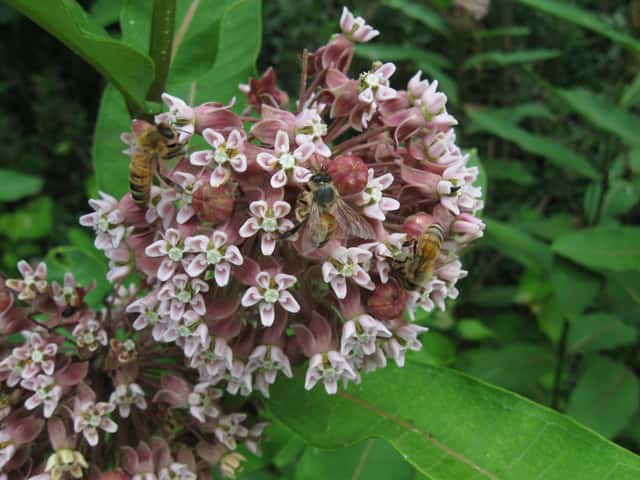
Common Milkweed (Asclepias syriaca) is a easy-care plant from the Apocynaceae family. Common Milkweed (Asclepias syriaca) is a native perennial wildflower of Eastern North America, iconic for its role as the primary larval host plant of the monarch butterfly. It produces fragrant, pink-purple domed flower clusters in summer and distinctive large seed pods filled with silky fibers. It...
Common Milkweed grows up to 1.5m, spread of 30cm, watering every 10 days, -40°C – 35°C, 30–60% humidity. It is not suitable for indoor environments and not safe for pets.
Unlike many tropical plants, Common Milkweed tolerates watering mistakes. Best for beginners. Without precautions, ingestion can cause irritation in pets. Keep out of reach of cats and dogs.
How to Care for Common Milkweed?
TLDR: Common Milkweed needs Direct sun, watering every 10 days, and temperatures between -40-35°C with 30-60% humidity.
How Often Should You Water Common Milkweed?
Water moderately in the first growing season to establish roots. Once established, Common Milkweed is highly drought-tolerant and rarely needs supplemental watering except during prolonged dry spells.
How Much Light Does Common Milkweed Need?
Provide full sun — at least 6 hours of direct sunlight per day. Common Milkweed will not thrive in shade and produces the most flowers in bright, open locations.
What Is the Best Soil for Common Milkweed?
Plant in well-drained, sandy or loamy soil. Tolerates poor, rocky, and dry soils well. Avoid wet or waterlogged conditions, which can lead to root rot.
What Pot Should You Use for Common Milkweed?
Use terracotta or any well-drained outdoor container, though Common Milkweed grows best when planted directly in the ground where its rhizomes can spread freely.
What Is Common Milkweed and Where Does It Come From?
Common Milkweed (Asclepias syriaca) is a native perennial wildflower of Eastern North America, iconic for its role as the primary larval host plant of the monarch butterfly. It produces fragrant, pink-purple domed flower clusters in summer and distinctive large seed pods filled with silky fibers. Its stems and leaves exude a milky white latex sap containing cardiac glycosides, making it toxic if ingested. A cornerstone of native pollinator gardens.
How to Propagate Common Milkweed?
Seed propagation
Cold stratification is essential for good germination rates. Direct sow outdoors in fall for natural stratification.
- 1 Collect mature seed pods in fall before they fully open
- 2 Cold-stratify seeds in moist medium at 35-38°F (2-3°C) for 30 days
- 3 Sow seeds in well-drained seed-starting mix in early spring
- 4 Keep moist and in a warm sunny location until germination
Materials needed:
Root cutting
Root cuttings establish quickly. This method also helps manage spread in the garden.
- 1 Dig up a section of rhizome in early spring
- 2 Cut into 4-inch sections ensuring each has at least one node
- 3 Plant horizontally 2-3 inches deep in well-drained soil
- 4 Water lightly and keep in a sunny location
Materials needed:
How Big Does Common Milkweed Grow?
TLDR: Common Milkweed can reach up to 1.5m tall with Fast growth rate.
Max height
1.5m
Spread
30cm
Growth rate
Fast
Foliage
Deciduous
Warning: Toxic Plant
This plant can be toxic if ingested. Keep out of reach of:
Plant Uses
Ornamental
Great for decoration
Medicinal
Medicinal properties
Medicinal Uses
- Historically used by Native Americans for fiber from seed floss; roots used medicinally by some tribes for rheumatism and respiratory ailments
Is your plant showing symptoms?
Click on the symptom to discover possible causes:
What Diseases Commonly Affect Common Milkweed?
TLDR: Common Milkweed is susceptible to 4 known diseases. Monitor regularly for early detection.
Aphids
Aphids are small, soft-bodied, pear-shaped insects (1/16 to 1/8 inch long) that feed by sucking nutrient-rich sap from plants. They reproduce rapidly and can quickly weaken plants, causing distorted growth and transmitting plant viruses. Aphids come in various colors including green, black, red, yellow, brown, and gray. They secrete honeydew, a sticky substance that attracts ants and encourages sooty mold growth.
Root Rot
Root rot is a serious fungal disease that affects the root system of plants, causing them to decay and die. It is primarily caused by overwatering, poor drainage, or soil-borne fungi such as Pythium, Phytophthora, Rhizoctonia, and Fusarium. The disease thrives in waterlogged conditions where roots are deprived of oxygen, making them susceptible to fungal infection.
Powdery Mildew
Powdery mildew is a common fungal disease caused by various fungi species including Erysiphe, Podosphaera, Oïdium, and Leveillula. It affects over 10,000 plant species worldwide. The disease thrives in warm, dry climates with high humidity and appears as a distinctive white powdery coating on plant surfaces.
Spider Mites
Spider mites are tiny arachnids (less than 1/20 inch long) related to spiders and ticks that feed on plant sap. They thrive in hot, dry conditions and can cause significant damage to ornamental and vegetable plants. During severe infestations, crop losses can reach 14% or higher as these pests disrupt vital plant processes including photosynthesis, carbon dioxide absorption, and transpiration.
Meaning & Symbolism
In many traditions, milkweed symbolizes transformation and resilience — a plant that sustains one of nature's most remarkable migrations. It represents the deep interconnectedness between plants, insects, and ecosystems.
Fun Facts
The silky fibers from Common Milkweed seed pods were used in WWII life jackets as a substitute for kapok
A single milkweed flower cluster can contain up to 100 individual star-shaped blooms
Monarch butterflies sequester cardiac glycosides from milkweed, making themselves toxic to predators
Common Milkweed can spread to form colonies dozens of feet wide from a single plant via its rhizomes
Frequently asked questions
Is Common Milkweed toxic?
How often should I water Common Milkweed?
Does Common Milkweed attract monarch butterflies?
Will Common Milkweed spread and take over my garden?
Compare with similar plants
| Attribute | Difficulty | Light | Watering | Pet Safe |
|---|---|---|---|---|
| Field Maple | Easy | Bright indirect | 14d | ✓ |
| Silver Birch | Easy | Direct sun | 14d | ✓ |
| Common Blanketflower | Easy | Direct sun | 10d | ✓ |
| Cushion Bush | Easy | Direct sun | 14d | ✓ |





