Crassulaceae
Echeveria: Complete Care Guide for Rosette Succulents
Echeveria
Echeveria is a low-maintenance succulent that thrives with bright light, infrequent watering, and excellent drainage. Perfect for beginners and experienced growers alike. Water only when soil is completely dry and provide at least 6 hours of bright light daily.
Every 14 days
Bright indirect
10° - 27°C
10% - 40%
Categories
What is Echeveria?
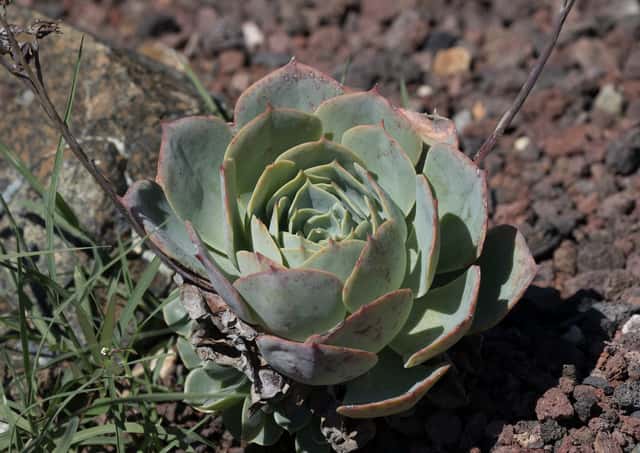
Echeveria (Echeveria) is a easy-care plant from the Crassulaceae family. Echeveria is a large genus of succulent plants in the family Crassulaceae, native to Mexico and Central America, encompassing approximately 150 species. Known for their stunning rosette-shaped, fleshy leaves that store water, Echeverias are among the most popular succulents worldwide, prized for the...
Echeveria grows up to 60cm, spread of 30cm, watering every 14 days, 10°C – 27°C, 10–40% humidity. It is suitable for indoor environments and safe for pets.
Unlike many tropical plants, Echeveria tolerates watering mistakes. Best for beginners. Unlike many popular species, Echeveria is safe to keep around pets. Without adequate drainage, root rot can develop within 28 days.
How to Care for Echeveria?
TLDR: Echeveria needs Bright indirect, watering every 14 days, and temperatures between 10-27°C with 10-40% humidity.
How Often Should You Water Echeveria?
Water deeply every 14 days, allowing the soil to dry out completely between waterings. In winter, reduce to once a month. Never let water pool in the rosette center or saucer — this causes rot.
How Much Light Does Echeveria Need?
Requires at least 6 hours of bright light daily. South- or west-facing windows are ideal indoors. Rotate the pot every 2 weeks to ensure even rosette growth and prevent legginess.
What Is the Best Soil for Echeveria?
Use a well-draining cactus and succulent potting mix. A blend of 50% potting soil and 50% perlite or coarse sand works excellently. Avoid nutrient-rich or moisture-retaining soils.
What Pot Should You Use for Echeveria?
Terracotta pots with drainage holes are ideal as they absorb excess moisture and promote healthy roots. Avoid plastic or glazed pots without drainage.
Care Schedule
Fertilize
Every 90 days
Rotate
Every 14 days
Repot
Every 730 days
What Is Echeveria and Where Does It Come From?
Echeveria is a large genus of succulent plants in the family Crassulaceae, native to Mexico and Central America, encompassing approximately 150 species. Known for their stunning rosette-shaped, fleshy leaves that store water, Echeverias are among the most popular succulents worldwide, prized for their ornamental beauty, diverse colors, and ease of care.
How to Propagate Echeveria?
Leaf Propagation
Use only healthy, intact leaves. Do not bury the leaf — simply rest it on the soil surface. Indirect light is best during this phase.
- 1 Gently twist a healthy leaf from the stem with a clean snap at the base
- 2 Allow to callous in a shaded area for 2-3 days
- 3 Place on top of moist succulent soil without burying it
- 4 Mist lightly every 3-4 days until roots and tiny rosette appear
Materials needed:
Offset Division
Choose offsets that are at least 2-3 cm across for best results.
- 1 Identify offsets (chicks) growing at the base of the mother plant
- 2 Gently separate by hand or with a sterilized knife
- 3 Allow cut end to dry for 1-2 days
- 4 Plant in well-draining soil and water after 1 week
Materials needed:
How Big Does Echeveria Grow?
TLDR: Echeveria can reach up to 60cm tall with Slow growth rate.
Max height
60cm
Spread
30cm
Growth rate
Slow
Foliage
Evergreen
Plant Uses
Ornamental
Great for decoration
Is your plant showing symptoms?
Click on the symptom to discover possible causes:
What Diseases Commonly Affect Echeveria?
TLDR: Echeveria is susceptible to 8 known diseases. Monitor regularly for early detection.
Root Rot
Root rot is a serious fungal disease that affects the root system of plants, causing them to decay and die. It is primarily caused by overwatering, poor drainage, or soil-borne fungi such as Pythium, Phytophthora, Rhizoctonia, and Fusarium. The disease thrives in waterlogged conditions where roots are deprived of oxygen, making them susceptible to fungal infection.
Mealybugs
Mealybugs are small, soft-bodied insects covered with a white, waxy, cottony material. They are common pests of houseplants and outdoor plants in mild climates. These sap-sucking insects feed on plant tissue, causing damage, stunted growth, and can lead to plant death if left untreated. They produce sticky honeydew which attracts sooty mold.
Overwatering
Overwatering occurs when plants receive too much water, depriving roots of oxygen and causing root rot. This environmental stress is one of the most common causes of houseplant death, as waterlogged soil prevents roots from breathing and functioning properly.
Powdery Mildew
Powdery mildew is a common fungal disease caused by various fungi species including Erysiphe, Podosphaera, Oïdium, and Leveillula. It affects over 10,000 plant species worldwide. The disease thrives in warm, dry climates with high humidity and appears as a distinctive white powdery coating on plant surfaces.
Meaning & Symbolism
The rosette form of Echeveria symbolizes eternal life, resilience, and enduring love in Mexican floral tradition.
Fun Facts
The genus Echeveria contains around 150 species, all native to Mexico and Central America
The rosette shape channels rainwater directly toward the plant roots
Echeveria can live for decades and bloom multiple times throughout its life
The genus is named after 18th-century Mexican botanical illustrator Atanasio Echeverría y Godoy
Frequently asked questions
How often should I water Echeveria?
Is Echeveria toxic to cats and dogs?
Why are my Echeveria leaves wrinkled or mushy?
Can Echeveria grow indoors?
How do I propagate Echeveria?
Compare with similar plants
| Attribute | Difficulty | Light | Watering | Pet Safe |
|---|---|---|---|---|
| Field Maple | Easy | Bright indirect | 14d | ✓ |
| Silver Birch | Easy | Direct sun | 14d | ✓ |
| Common Blanketflower | Easy | Direct sun | 10d | ✓ |
| Cushion Bush | Easy | Direct sun | 14d | ✓ |





