Piperaceae
Emerald Ripple Peperomia: Best for Low Light
Peperomia caperata
Easy-care plant, ideal for beginners. Prefers indirect light, moderate watering (allowing soil to dry between waterings), and moderate humidity. Does not tolerate cold temperatures or direct sunlight.
Every 7 days
Low light
18° - 24°C
40% - 60%
Categories
What is Emerald Ripple Peperomia?
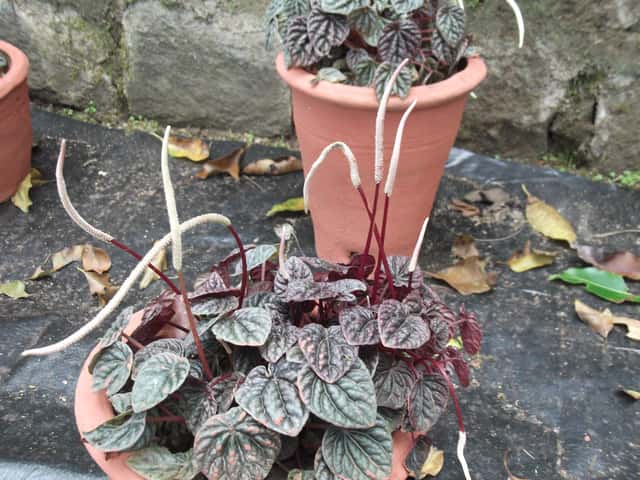
Emerald Ripple Peperomia (Peperomia caperata) is a easy-care plant from the Piperaceae family. A compact perennial herbaceous plant native to Brazil, prized for its ornamental heart-shaped leaves with deeply corrugated, rippled texture. Perfect for indoor spaces as it thrives in the shade of tropical forest understories. Produces thin spike-like inflorescences with tiny white flowers resembli...
Emerald Ripple Peperomia grows up to 25cm, spread of 25cm, watering every 7 days, 18°C – 24°C, 40–60% humidity. It is suitable for indoor environments and safe for pets.
Unlike many tropical plants, Emerald Ripple Peperomia tolerates watering mistakes. Best for beginners. Unlike many popular species, Emerald Ripple Peperomia is safe to keep around pets. Without adequate drainage, root rot can develop within 14 days.
How to Care for Emerald Ripple Peperomia?
TLDR: Emerald Ripple Peperomia needs Low light, watering every 7 days, and temperatures between 18-24°C with 40-60% humidity.
How Often Should You Water Emerald Ripple Peperomia?
Keep soil lightly moist but never waterlogged. Allow the top layer of soil to dry before watering again. Reduce watering in winter. The plant is more sensitive to overwatering than underwatering.
How Much Light Does Emerald Ripple Peperomia Need?
Grow in filtered or diffused light, avoiding direct sun exposure. Bright indirect light is ideal. Direct sunlight can scorch the leaves. Pale leaves indicate too much light.
What Is the Best Soil for Emerald Ripple Peperomia?
Use a light, well-draining soil rich in organic matter. The substrate should be porous to prevent water accumulation. Ideal pH between 6.0 and 7.0.
What Pot Should You Use for Emerald Ripple Peperomia?
Terracotta or ceramic pots with drainage holes are ideal. Prefer shallow pots as roots are superficial. Avoid oversized pots to prevent excess moisture.
Care Schedule
Fertilize
Every 60 days
Misting
Every 7 days
Rotate
Every 14 days
Repot
Every 730 days
What Is Emerald Ripple Peperomia and Where Does It Come From?
A compact perennial herbaceous plant native to Brazil, prized for its ornamental heart-shaped leaves with deeply corrugated, rippled texture. Perfect for indoor spaces as it thrives in the shade of tropical forest understories. Produces thin spike-like inflorescences with tiny white flowers resembling a rat's tail.
How to Propagate Emerald Ripple Peperomia?
Leaf cuttings
Choose mature, healthy leaves
- 1 Cut a healthy leaf with petiole
- 2 Let it callous for a few hours
- 3 Plant in moist substrate
- 4 Keep in indirect light location
- 5 Wait for rooting in 4-6 weeks
Materials needed:
Division
Best done in spring
- 1 Remove plant from pot
- 2 Carefully separate plantlets preserving roots
- 3 Plant each division in individual pot
- 4 Water lightly and keep in shade
Materials needed:
How Big Does Emerald Ripple Peperomia Grow?
TLDR: Emerald Ripple Peperomia can reach up to 25cm tall with Slow growth rate.
Max height
25cm
Spread
25cm
Growth rate
Slow
Foliage
Evergreen
Plant Uses
Ornamental
Great for decoration
Is your plant showing symptoms?
Click on the symptom to discover possible causes:
What Diseases Commonly Affect Emerald Ripple Peperomia?
TLDR: Emerald Ripple Peperomia is susceptible to 33 known diseases. Monitor regularly for early detection.
Root Rot
Root rot is a serious fungal disease that affects the root system of plants, causing them to decay and die. It is primarily caused by overwatering, poor drainage, or soil-borne fungi such as Pythium, Phytophthora, Rhizoctonia, and Fusarium. The disease thrives in waterlogged conditions where roots are deprived of oxygen, making them susceptible to fungal infection.
Pythium Root Rot
Pythium root rot is a serious fungal disease caused by various Pythium species including P. aphanidermatum, P. ultimum, and P. irregulare. These water molds are present in practically all cultivated soils and attack plant roots under wet conditions, causing rapid wet rot that can extend into the stem. The disease is favored by poor drainage, overwatering, and specific temperatures depending on the species.
Phytophthora Root Rot
Disease caused by fungus-like organisms (oomycetes) that live in soil and can survive for years. It affects roots, stem, and crown of plants, being especially severe in waterlogged or poorly drained soils. It is the second most common cause of root rot in trees and shrubs.
Crown Rot
Crown rot is a serious fungal disease that attacks the crown (base) of the plant where the stem meets the soil. It is caused by various fungal pathogens including Phytophthora, Fusarium, and Rhizoctonia. The disease thrives in waterlogged conditions and can quickly spread to kill the entire plant if not addressed promptly.
Meaning & Symbolism
Simplicity, tranquility, and harmony in the home. Represents beauty in simplicity and the ability to thrive in sheltered environments.
Compare with similar plants
| Attribute | Difficulty | Light | Watering | Pet Safe |
|---|---|---|---|---|
| Field Maple | Easy | Bright indirect | 14d | ✓ |
| Silver Birch | Easy | Direct sun | 14d | ✓ |
| Common Blanketflower | Easy | Direct sun | 10d | ✓ |
| Cushion Bush | Easy | Direct sun | 14d | ✓ |





