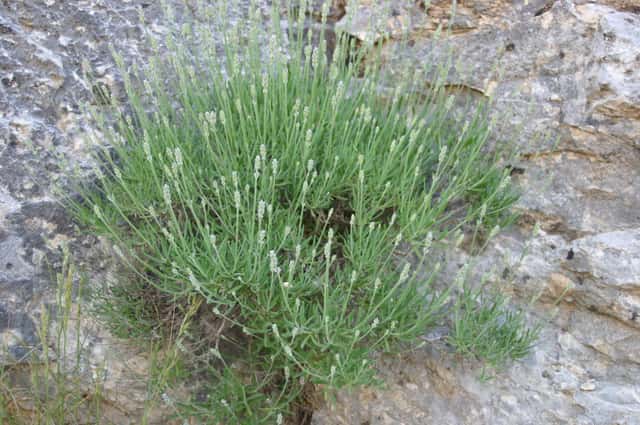
Lamiaceae
English Lavender (Lavandula angustifolia)
Lavandula angustifolia
Low-maintenance plant that thrives in full sun. Water moderately, allowing soil to dry completely between waterings. Prefers well-drained, slightly alkaline soil. Prune after flowering to maintain compact shape. Highly drought-tolerant once established.
Every 10 days
Direct sun
-15° - 38°C
30% - 50%
Categories
What is English Lavender?
English Lavender (Lavandula angustifolia) is a easy-care plant from the Lamiaceae family. English Lavender (Lavandula angustifolia) is a fragrant perennial shrub native to the Mediterranean region of Europe. Beloved worldwide for its distinctive purple flower spikes and calming scent, it is one of the most widely cultivated aromatic plants, used in cosmetics, aromatherapy, culinary arts,...
English Lavender grows up to 90cm, spread of 90cm, watering every 10 days, -15°C – 38°C, 30–50% humidity. It is not suitable for indoor environments and not safe for pets.
Unlike many tropical plants, English Lavender tolerates watering mistakes. Best for beginners. Without precautions, ingestion can cause irritation in pets. Keep out of reach of cats and dogs.
How to Care for English Lavender?
TLDR: English Lavender needs Direct sun, watering every 10 days, and temperatures between -15-38°C with 30-50% humidity.
How Often Should You Water English Lavender?
Water every 7-14 days during active growth. Allow the soil to dry out fully between waterings. Never allow roots to sit in waterlogged soil.
How Much Light Does English Lavender Need?
Requires full sun with at least 6 hours of direct sunlight daily. More sun means more abundant flowering and stronger fragrance.
What Is the Best Soil for English Lavender?
Use well-draining soil amended with sand or perlite. Ideal pH between 6.5 and 8.0. Avoid heavy clay soils that retain moisture.
What Pot Should You Use for English Lavender?
Terracotta or clay pot with drainage holes. The porous material helps prevent excess moisture. In gardens, plant in raised or sloped beds.
Care Schedule
Fertilize
Every 60 days
What Is English Lavender and Where Does It Come From?
English Lavender (Lavandula angustifolia) is a fragrant perennial shrub native to the Mediterranean region of Europe. Beloved worldwide for its distinctive purple flower spikes and calming scent, it is one of the most widely cultivated aromatic plants, used in cosmetics, aromatherapy, culinary arts, and traditional medicine.
How to Propagate English Lavender?
Stem cutting
Take cuttings in early spring from previous year stems. Sterilize tools. Roots form in 3-4 weeks.
- 1 Cut a healthy young stem 4-6 inches long below a node
- 2 Strip leaves from the lower half leaving 2-3 at the top
- 3 Dip the cut end in rooting hormone powder
- 4 Plant in a well-draining sandy substrate
- 5 Keep lightly moist and out of direct sun until rooted
Materials needed:
Seed
Germination can be irregular. Cold stratification improves germination rates significantly.
- 1 Cold-stratify seeds in the refrigerator for 2-4 weeks before sowing
- 2 Sow in lightly moist well-draining seed mix
- 3 Cover with a thin layer of substrate
- 4 Maintain at 65-70F with indirect light
- 5 Transplant seedlings when 2-3 inches tall
Materials needed:
How Big Does English Lavender Grow?
TLDR: English Lavender can reach up to 90cm tall with Slow growth rate.
Max height
90cm
Spread
90cm
Growth rate
Slow
Foliage
Evergreen
Warning: Toxic Plant
This plant can be toxic if ingested. Keep out of reach of:
Plant Uses
Ornamental
Great for decoration
Medicinal
Medicinal properties
Aromatic
Pleasant fragrance
Medicinal Uses
- Natural calming agent - lavender aroma reduces anxiety and stress
- Antiseptic and wound-healing for minor cuts and insect bites
- Aids in treating insomnia and headaches
- Essential oil widely used in aromatherapy
Culinary Uses
- Subtle flavoring for sweet and savory dishes
- Ingredient in artisan spirits and beverages
- Flowers used in salads, jams, and syrups
- Key component of the Herbes de Provence herb mix
Is your plant showing symptoms?
Click on the symptom to discover possible causes:
What Diseases Commonly Affect English Lavender?
TLDR: English Lavender is susceptible to 8 known diseases. Monitor regularly for early detection.
Root Rot
Root rot is a serious fungal disease that affects the root system of plants, causing them to decay and die. It is primarily caused by overwatering, poor drainage, or soil-borne fungi such as Pythium, Phytophthora, Rhizoctonia, and Fusarium. The disease thrives in waterlogged conditions where roots are deprived of oxygen, making them susceptible to fungal infection.
Phytophthora Root Rot
Disease caused by fungus-like organisms (oomycetes) that live in soil and can survive for years. It affects roots, stem, and crown of plants, being especially severe in waterlogged or poorly drained soils. It is the second most common cause of root rot in trees and shrubs.
Powdery Mildew
Powdery mildew is a common fungal disease caused by various fungi species including Erysiphe, Podosphaera, Oïdium, and Leveillula. It affects over 10,000 plant species worldwide. The disease thrives in warm, dry climates with high humidity and appears as a distinctive white powdery coating on plant surfaces.
Gray Mold (Botrytis Blight)
Gray mold, caused by the fungus Botrytis cinerea, is a widespread necrotrophic pathogen affecting over 1,400 plant species. It thrives in cool, humid conditions and attacks weakened or aging plant tissues, causing soft rot and characteristic gray fuzzy growth.
Meaning & Symbolism
Calm, purity, devotion, and serenity. In Mediterranean tradition, lavender symbolizes cleanliness and protection of the home.
Fun Facts
Lavender essential oil is one of the world's best-selling, found in over 200 cosmetic products
The lavender fields of Valensole in Provence are a UNESCO Cultural Heritage site
Lavender was used to scent clothes in Ancient Rome - its name comes from the Latin lavare (to wash)
A single lavender plant can live over 20 years with proper care
Frequently asked questions
How often should I water lavender?
Is lavender toxic to pets?
When and how should I prune lavender?
Can lavender be grown in pots?
What is the best time to plant lavender?
Compare with similar plants
| Attribute | Difficulty | Light | Watering | Pet Safe |
|---|---|---|---|---|
| Field Maple | Easy | Bright indirect | 14d | ✓ |
| Silver Birch | Easy | Direct sun | 14d | ✓ |
| Common Blanketflower | Easy | Direct sun | 10d | ✓ |
| Cushion Bush | Easy | Direct sun | 14d | ✓ |





