500 Best Plants for San Jacinto County | 2026 Guide - Page 13
Discover the 500 ideal plants for San Jacinto County's climate. Average temp: 21.2°C, Humidity: 73.6%.
Top 500 Plants for San Jacinto County
Showing 433-468 of 500
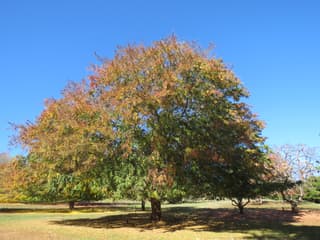
Chinese Elm
Ulmus parvifolia
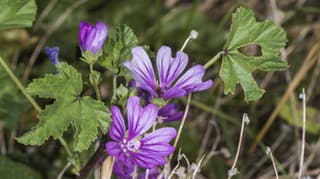
High mallow
Malva sylvestris
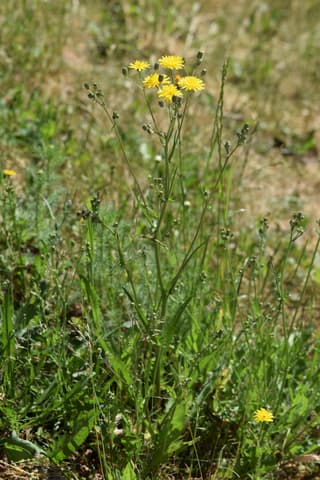
smooth hawksbeard
Crepis capillaris
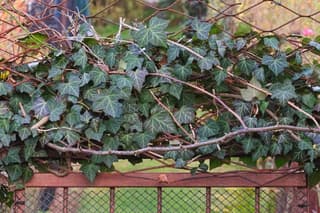
Ivy
Hedera
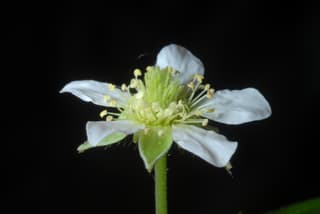
White Avens
Geum canadense
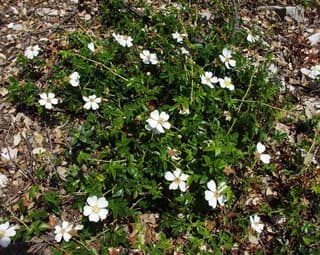
Evergreen Rose
Rosa sempervirens
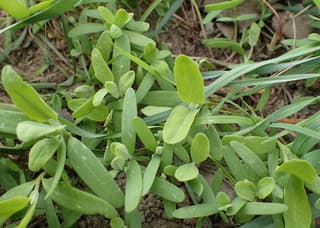
Common Orache
Atriplex patula
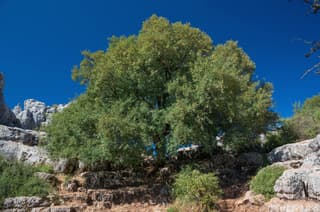
Montpellier maple
Acer monspessulanum
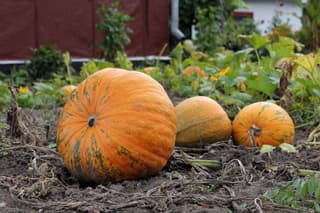
Squash
Cucurbita
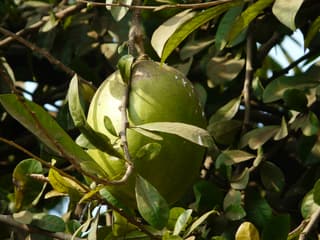
Pomelo
Citrus maxima
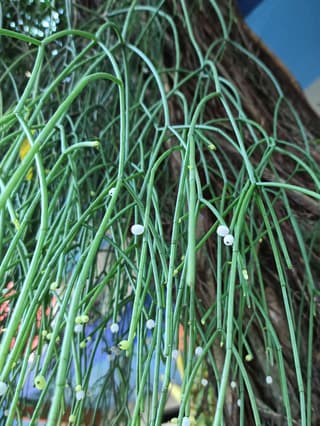
Mistletoe Cactus
Rhipsalis
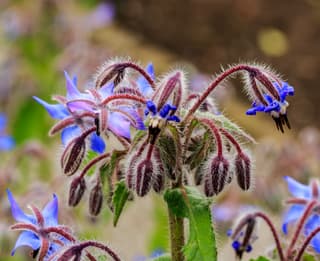
Borage
Borago officinalis
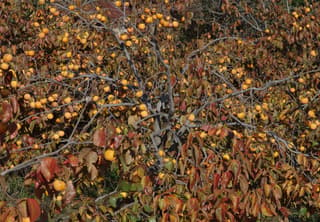
Japanese Persimmon
Diospyros kaki
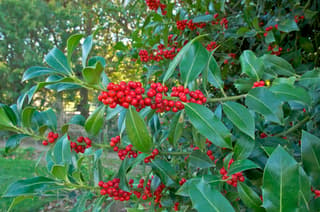
Holly
Ilex
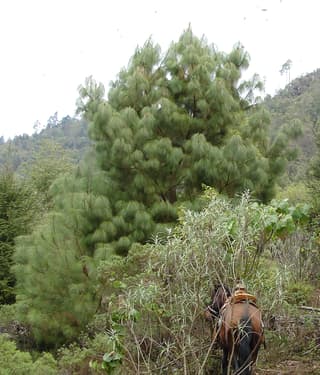
Smooth-bark Mexican Pine
Pinus pseudostrobus
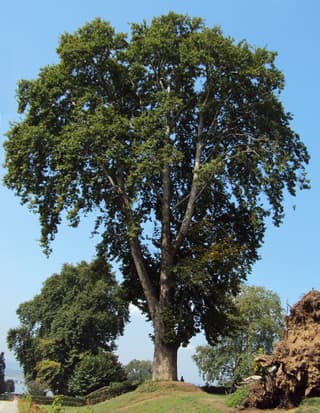
Plane Tree
Platanus
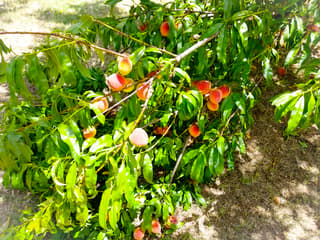
Peach Tree
Prunus persica
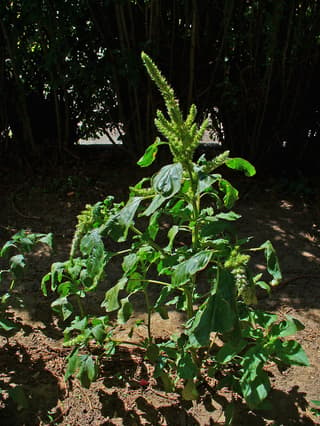
Smooth Amaranth
Amaranthus hybridus
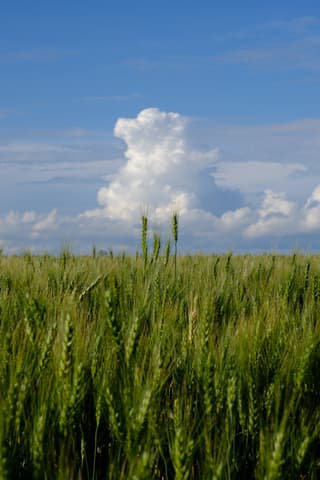
Common wheat
Triticum aestivum
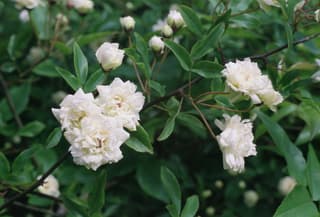
Lady Banks' Rose
Rosa banksiae
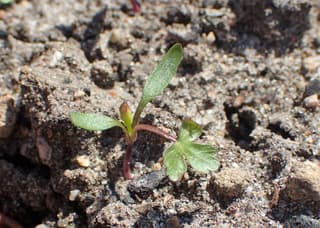
Fool's Parsley
Aethusa cynapium
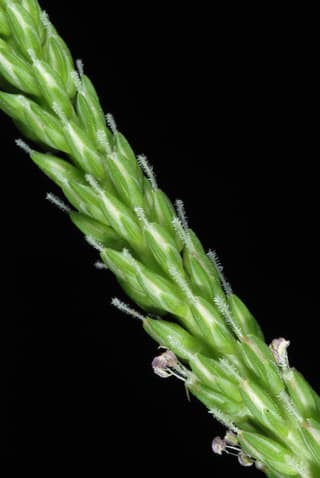
Blackseed Plantain
Plantago rugelii
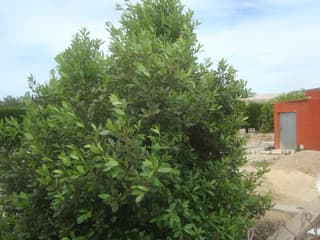
Bay Laurel
Laurus nobilis
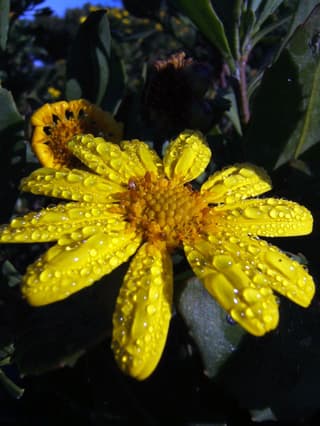
Bietou
Osteospermum moniliferum
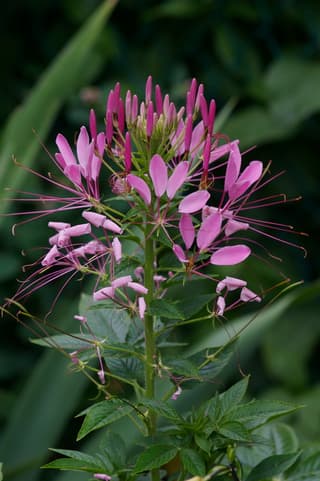
Spider Flower
Cleome houtteana
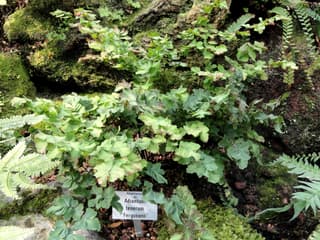
Fan Maidenhair Fern
Adiantum tenerum
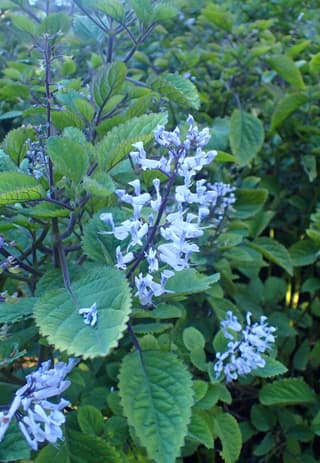
Speckled Spur-Flower
Plectranthus ciliatus
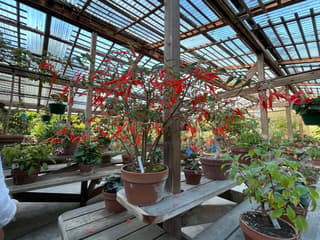
Bolivian begonia
Begonia boliviensis
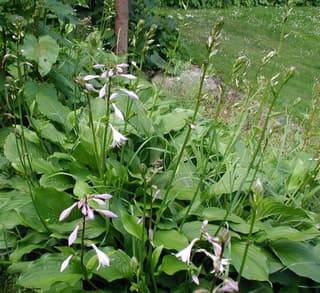
Fortune's Hosta
Hosta fortunei
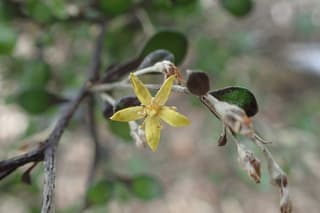
Wire-netting Bush
Corokia cotoneaster
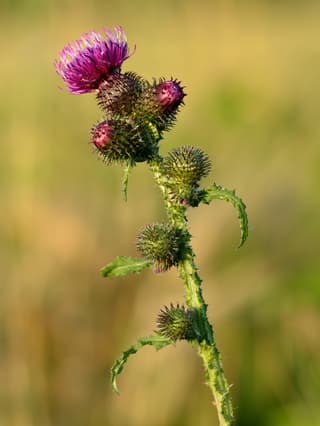
Thistle
Carduus
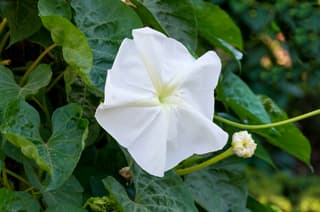
Moonflower
Ipomoea alba
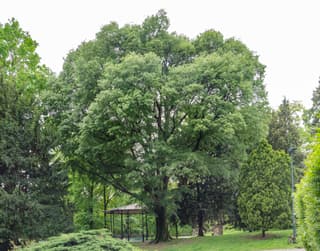
European Nettle Tree
Celtis australis
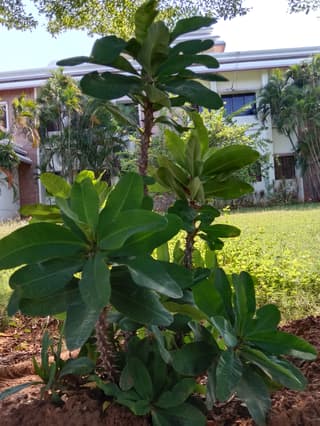
White Frangipani
Plumeria alba
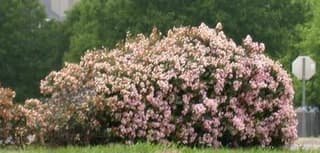
Indian Hawthorn
Rhaphiolepis indica
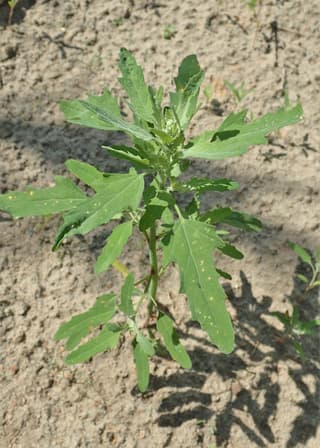
Fig-leaved Goosefoot
Chenopodium ficifolium
San Jacinto County Climate for Plant Growing
San Jacinto County has a climate with an average annual temperature of 21.2°C and average relative humidity of 73.6%. These climate conditions are ideal for various species of ornamental and fruit plants.
Tips for Growing Plants in San Jacinto County
To succeed in growing plants in San Jacinto County, consider the average temperature of 21.2°C when choosing your species. The temperate climate allows you to grow a wide variety of species. High humidity favors tropical plants, but watch for fungal issues.
Why Choose Plants Adapted to the Local Climate?
Plants adapted to San Jacinto County's climate require less care, consume less water, and are more likely to thrive. Our selection considers the compatibility between each species' needs and local climate conditions, including temperature (21.2°C) and humidity (73.6%).