Bromeliaceae
King of Air Plants: Low Water Needs
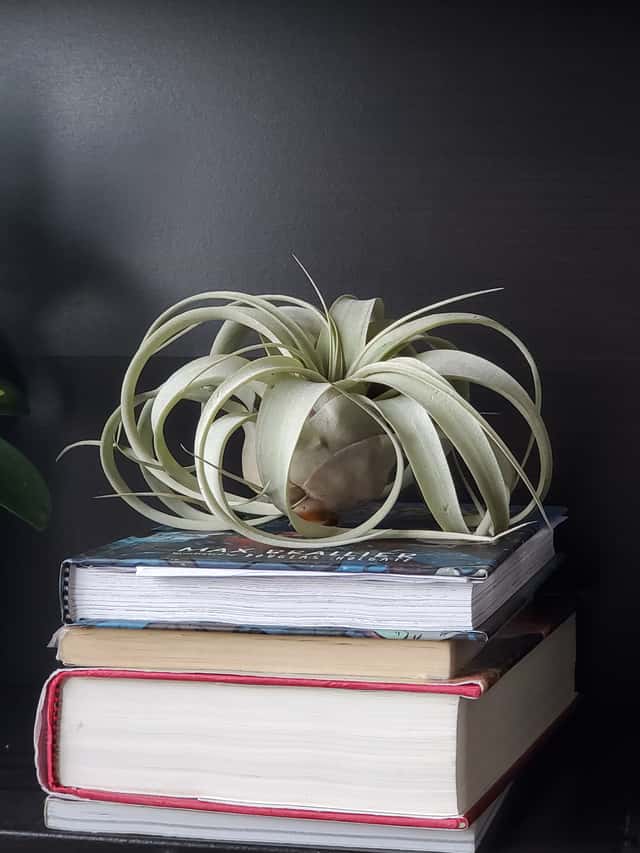
Tillandsia xerographica
Easy-care plant ideal for indoors. Water by soaking every 2 weeks, ensure good ventilation and bright indirect light. No soil or traditional pot required.
Every 14 days
Bright indirect
10° - 30°C
40% - 60%
Categories
What is King of Air Plants?
King of Air Plants (Tillandsia xerographica) is a easy-care plant from the Bromeliaceae family. Tillandsia xerographica is known as the "King of Air Plants" due to its impressive size and beautifully curled silvery-green leaves. This epiphytic plant is native to southern Mexico, Guatemala, and El Salvador. It can reach up to 90 cm in diameter and is highly prized for its sculptural rosette sha...
King of Air Plants grows up to 90cm, spread of 90cm, watering every 14 days, 10°C – 30°C, 40–60% humidity. It is suitable for indoor environments and safe for pets.
Unlike many tropical plants, King of Air Plants tolerates watering mistakes. Best for beginners. Unlike many popular species, King of Air Plants is safe to keep around pets. Without adequate drainage, root rot can develop within 28 days.
How to Care for King of Air Plants?
TLDR: King of Air Plants needs Bright indirect, watering every 14 days, and temperatures between 10-30°C with 40-60% humidity.
How Often Should You Water King of Air Plants?
Soak in chlorine-free water for 20-30 minutes every 2 weeks. Place upside down after watering to drain completely and prevent rot in the rosette. In very dry environments, increase frequency.
How Much Light Does King of Air Plants Need?
Requires bright indirect light. Can tolerate soft direct sun in early morning or late afternoon hours. Avoid intense midday sun which can burn the leaves.
What Is the Best Soil for King of Air Plants?
No soil needed. This epiphytic plant can be placed on any decorative support like driftwood, rocks, or hung from strings. Avoid copper supports as copper is toxic to tillandsias.
What Pot Should You Use for King of Air Plants?
No pot required. Ideal on decorative driftwood, rocks, hanging from strings, or in open terrariums with good ventilation.
Care Schedule
Fertilize
Every 21 days
What Is King of Air Plants and Where Does It Come From?
Tillandsia xerographica is known as the "King of Air Plants" due to its impressive size and beautifully curled silvery-green leaves. This epiphytic plant is native to southern Mexico, Guatemala, and El Salvador. It can reach up to 90 cm in diameter and is highly prized for its sculptural rosette shape. Like all tillandsias, it doesn't need soil to grow and absorbs water and nutrients through its leaves. It is protected under CITES due to past overharvesting in the wild.
How to Propagate King of Air Plants?
Offsets
The mother plant only blooms once, then produces pups before gradually dying
- 1 Wait for the mother plant to bloom and produce pups (may take years)
- 2 Allow pups to reach at least 1/3 the size of the mother plant
- 3 Carefully separate pups from the base of the mother plant
- 4 Let the cut dry for 1-2 days
- 5 Place on new support with good air circulation
Materials needed:
How Big Does King of Air Plants Grow?
TLDR: King of Air Plants can reach up to 90cm tall with Slow growth rate.
Max height
90cm
Spread
90cm
Growth rate
Slow
Foliage
Evergreen
Plant Uses
Ornamental
Great for decoration
Air Purifying
Improves air quality
Is your plant showing symptoms?
Click on the symptom to discover possible causes:
What Diseases Commonly Affect King of Air Plants?
TLDR: King of Air Plants is susceptible to 19 known diseases. Monitor regularly for early detection.
Crown Rot
Crown rot is a serious fungal disease that attacks the crown (base) of the plant where the stem meets the soil. It is caused by various fungal pathogens including Phytophthora, Fusarium, and Rhizoctonia. The disease thrives in waterlogged conditions and can quickly spread to kill the entire plant if not addressed promptly.
Root Rot
Root rot is a serious fungal disease that affects the root system of plants, causing them to decay and die. It is primarily caused by overwatering, poor drainage, or soil-borne fungi such as Pythium, Phytophthora, Rhizoctonia, and Fusarium. The disease thrives in waterlogged conditions where roots are deprived of oxygen, making them susceptible to fungal infection.
Overwatering
Overwatering occurs when plants receive too much water, depriving roots of oxygen and causing root rot. This environmental stress is one of the most common causes of houseplant death, as waterlogged soil prevents roots from breathing and functioning properly.
Mealybugs
Mealybugs are small, soft-bodied insects covered with a white, waxy, cottony material. They are common pests of houseplants and outdoor plants in mild climates. These sap-sucking insects feed on plant tissue, causing damage, stunted growth, and can lead to plant death if left untreated. They produce sticky honeydew which attracts sooty mold.
Meaning & Symbolism
Symbolizes resilience, adaptability, and freedom. Its ability to thrive without roots in soil represents independence and the capacity to adapt to any environment.
Compare with similar plants
| Attribute | Difficulty | Light | Watering | Pet Safe |
|---|---|---|---|---|
| Field Maple | Easy | Bright indirect | 14d | ✓ |
| Silver Birch | Easy | Direct sun | 14d | ✓ |
| Common Blanketflower | Easy | Direct sun | 10d | ✓ |
| Cushion Bush | Easy | Direct sun | 14d | ✓ |





