Lamiaceae
Lavender (Lavandula sp): Complete Growing & Care Guide
Lavandula sp
Lavender is a low-maintenance plant that thrives in full sun and well-draining soil. Water sparingly, only when the soil is completely dry. Light pruning after flowering keeps the plant compact and encourages new growth.
Every 10 days
Direct sun
-10° - 35°C
30% - 50%
Categories
What is Lavender?
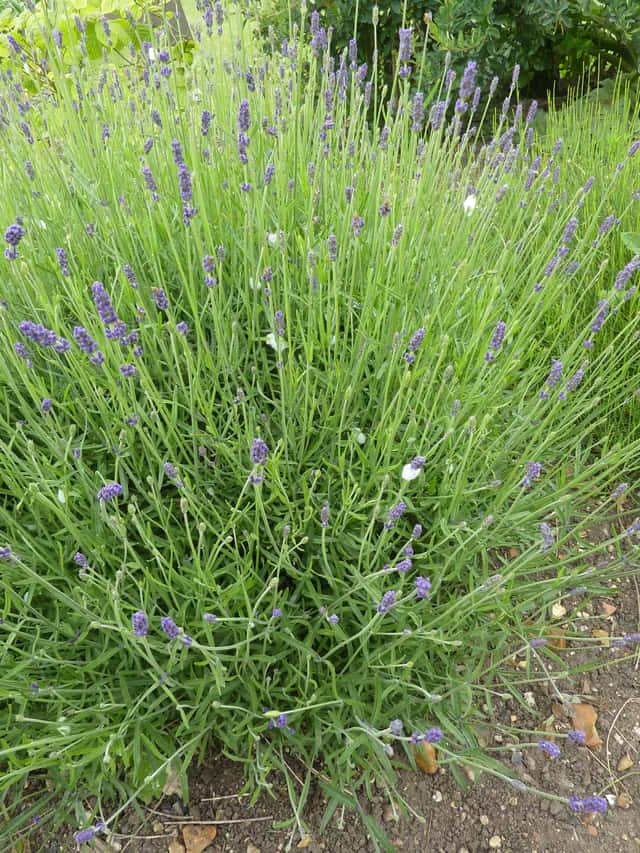
Lavender (Lavandula sp) is a easy-care plant from the Lamiaceae family. Lavender (Lavandula sp) is a perennial aromatic shrub from the Lamiaceae family, native to the Mediterranean region. Celebrated for its distinctive fragrance and vibrant purple blooms, it is widely cultivated for ornamental, medicinal, and essential oil production. It thrives in hot, dry climates an...
Lavender grows up to 90cm, spread of 75cm, watering every 10 days, -10°C – 35°C, 30–50% humidity. It is not suitable for indoor environments and not safe for pets.
Unlike many tropical plants, Lavender tolerates watering mistakes. Best for beginners. Without precautions, ingestion can cause irritation in pets. Keep out of reach of cats and dogs.
How to Care for Lavender?
TLDR: Lavender needs Direct sun, watering every 10 days, and temperatures between -10-35°C with 30-50% humidity.
How Often Should You Water Lavender?
Water only when the soil is completely dry to the touch — typically every 10 to 14 days in summer and even less in winter. Lavender is highly susceptible to root rot from overwatering. Always water at the base of the plant, avoiding wetting the foliage.
How Much Light Does Lavender Need?
Lavender needs at least 6 hours of direct sunlight per day to bloom abundantly. Choose the sunniest spot in your garden. In very hot climates, light afternoon shade can prevent heat stress.
What Is the Best Soil for Lavender?
Use light, sandy, well-draining soil with a pH between 6.5 and 7.5. Amend with coarse sand or perlite to improve drainage. Avoid heavy clay soils that retain moisture, as these promote root rot.
What Pot Should You Use for Lavender?
Terracotta or unglazed ceramic pots are ideal as they allow the substrate to breathe and excess moisture to evaporate. Ensure the pot has generous drainage holes. Slightly smaller pots are preferable — lavender blooms better when mildly root-bound.
Care Schedule
Fertilize
Every 30 days
What Is Lavender and Where Does It Come From?
Lavender (Lavandula sp) is a perennial aromatic shrub from the Lamiaceae family, native to the Mediterranean region. Celebrated for its distinctive fragrance and vibrant purple blooms, it is widely cultivated for ornamental, medicinal, and essential oil production. It thrives in hot, dry climates and is one of the most beloved aromatic plants in the world.
How to Propagate Lavender?
Stem Cutting
Take cuttings in spring or early summer using non-flowering stems. Avoid waterlogging the medium. After 3-4 weeks, test rooting by gently tugging the stem.
- 1 Cut a healthy stem 10-15 cm long just below a node
- 2 Remove the leaves from the lower half of the stem
- 3 Dip the base in rooting hormone powder
- 4 Plant in light, well-draining medium (50% sand + 50% potting soil)
- 5 Keep lightly moist in bright indirect light until rooted
Materials needed:
Seed Sowing
Lavender germination can be slow and uneven. Cold stratification significantly improves germination rates.
- 1 Cold stratify seeds in the refrigerator for 4 weeks before sowing
- 2 Sow in light, moist seed-starting mix
- 3 Cover lightly with a thin layer of mix
- 4 Keep in a warm location (18-21°C) with indirect light
- 5 Transplant seedlings when they reach 5-7 cm tall
Materials needed:
How Big Does Lavender Grow?
TLDR: Lavender can reach up to 90cm tall with Slow growth rate.
Max height
90cm
Spread
75cm
Growth rate
Slow
Foliage
Evergreen
Warning: Toxic Plant
This plant can be toxic if ingested. Keep out of reach of:
Plant Uses
Ornamental
Great for decoration
Aromatic
Pleasant fragrance
Medicinal
Medicinal properties
Medicinal Uses
- Anxiety and stress relief (aromatherapy)
- Sleep aid (essential oils and lavender sachets)
- Natural anti-inflammatory (topical use)
- Natural mosquito and insect repellent
- Lavender tea for relaxation and digestion
Culinary Uses
- Flavoring in cookies, cakes, and desserts
- Key ingredient in Herbes de Provence
- Aromatic teas and infusions
- Light seasoning in Provençal savory dishes
- Lavender syrup for drinks and desserts
Is your plant showing symptoms?
Click on the symptom to discover possible causes:
What Diseases Commonly Affect Lavender?
TLDR: Lavender is susceptible to 7 known diseases. Monitor regularly for early detection.
Root Rot
Root rot is a serious fungal disease that affects the root system of plants, causing them to decay and die. It is primarily caused by overwatering, poor drainage, or soil-borne fungi such as Pythium, Phytophthora, Rhizoctonia, and Fusarium. The disease thrives in waterlogged conditions where roots are deprived of oxygen, making them susceptible to fungal infection.
Crown Rot
Crown rot is a serious fungal disease that attacks the crown (base) of the plant where the stem meets the soil. It is caused by various fungal pathogens including Phytophthora, Fusarium, and Rhizoctonia. The disease thrives in waterlogged conditions and can quickly spread to kill the entire plant if not addressed promptly.
Gray Mold (Botrytis Blight)
Gray mold, caused by the fungus Botrytis cinerea, is a widespread necrotrophic pathogen affecting over 1,400 plant species. It thrives in cool, humid conditions and attacks weakened or aging plant tissues, causing soft rot and characteristic gray fuzzy growth.
Septoria Leaf Spot
Septoria leaf spot is a destructive fungal disease caused by Septoria lycopersici, particularly devastating during seasons of moderate temperature and abundant rainfall. The disease starts on lower leaves and progresses upward, causing small circular spots with tan to gray centers and dark brown margins. If left untreated, it can dramatically reduce plant yields and cause complete leaf blight.
Meaning & Symbolism
In Mediterranean and European tradition, lavender symbolizes calmness, purity, and devotion. It is also associated with serenity, emotional balance, and spiritual renewal. In many cultures, it represents love and grace.
Fun Facts
Lavender has been cultivated for over 2,500 years — the ancient Egyptians used it in the mummification process
The name 'lavender' comes from the Latin 'lavare' (to wash) — Romans added it to bathwater and used it to scent clothes
France is the world's largest lavender producer, especially in the Provence region
Lavender fields in full bloom are so vivid they can be seen from space via satellite imagery
Frequently asked questions
How often should I water lavender?
Can lavender be grown in containers?
Is lavender toxic to cats and dogs?
When and how should I prune lavender?
Why is my lavender dying?
Compare with similar plants
| Attribute | Difficulty | Light | Watering | Pet Safe |
|---|---|---|---|---|
| Field Maple | Easy | Bright indirect | 14d | ✓ |
| Silver Birch | Easy | Direct sun | 14d | ✓ |
| Common Blanketflower | Easy | Direct sun | 10d | ✓ |
| Cushion Bush | Easy | Direct sun | 14d | ✓ |





