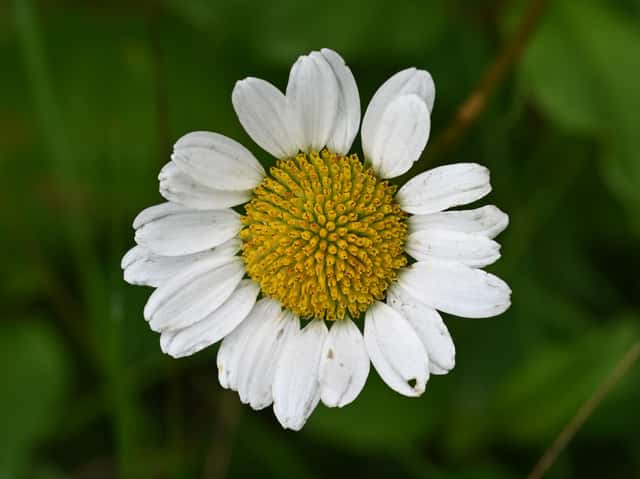
Asteraceae
Oxeye Daisy: the cheerful wildflower that blooms all season long
Leucanthemum ircutianum
A robust and easy-to-grow perennial, ideal for sunny borders, cottage gardens, and wildflower meadows. Prefers full sun, moderate watering, and well-drained soil. Tolerates drought once established. Divide clumps every 2–3 years to maintain vigorous flowering.
Every 7 days
Direct sun
5° - 30°C
40% - 60%
Categories
What is Oxeye Daisy?
Oxeye Daisy (Leucanthemum ircutianum) is a easy-care plant from the Asteraceae family. Leucanthemum ircutianum, commonly known as the oxeye daisy, is a herbaceous perennial in the Asteraceae family, native to Eurasia. It produces iconic white-petalled flowers with a golden-yellow central disc, blooming from spring through autumn. A hardy, low-maintenance wildflower, it is highly attra...
Oxeye Daisy grows up to 80cm, spread of 40cm, watering every 7 days, 5°C – 30°C, 40–60% humidity. It is not suitable for indoor environments and safe for pets.
Unlike many tropical plants, Oxeye Daisy tolerates watering mistakes. Best for beginners. Unlike many popular species, Oxeye Daisy is safe to keep around pets.
How to Care for Oxeye Daisy?
TLDR: Oxeye Daisy needs Direct sun, watering every 7 days, and temperatures between 5-30°C with 40-60% humidity.
How Often Should You Water Oxeye Daisy?
Water once a week during the growing season. Allow the soil to dry slightly between waterings. Avoid waterlogging — root rot is the main risk. Greatly reduce watering in winter during dormancy.
How Much Light Does Oxeye Daisy Need?
Requires full sun (6+ hours daily) for abundant blooming. Tolerates partial shade but flowering will be reduced. Perfect for open garden beds, borders, and meadow plantings.
What Is the Best Soil for Oxeye Daisy?
Prefers loamy, well-drained soil with a pH of 6.0–7.5. Does not need highly fertile soil — moderate nutrients are sufficient. Add sand or perlite to improve drainage in heavier soils.
What Pot Should You Use for Oxeye Daisy?
Terracotta or ceramic pot with good drainage for container growing. In-ground planting is preferred for outdoor cultivation.
Care Schedule
Fertilize
Every 30 days
What Is Oxeye Daisy and Where Does It Come From?
Leucanthemum ircutianum, commonly known as the oxeye daisy, is a herbaceous perennial in the Asteraceae family, native to Eurasia. It produces iconic white-petalled flowers with a golden-yellow central disc, blooming from spring through autumn. A hardy, low-maintenance wildflower, it is highly attractive to pollinators including bees, butterflies, and hoverflies.
How to Propagate Oxeye Daisy?
Clump division
Divide every 2-3 years to rejuvenate the plant and boost flowering. Spring or autumn are the best times.
- 1 Dig up the entire clump with a garden spade
- 2 Divide into sections with 3-5 shoots each
- 3 Replant each section in prepared, watered soil
- 4 Keep soil moist for the first few weeks
Materials needed:
Seed sowing
Seeds need light and temperatures above 15°C to germinate. Division gives more predictable results.
- 1 Sow directly outdoors or in pots in spring
- 2 Press seeds lightly onto compost without covering, as they need light to germinate
- 3 Keep substrate moist until germination
- 4 Transplant seedlings when they reach 5-7 cm tall
Materials needed:
How Big Does Oxeye Daisy Grow?
TLDR: Oxeye Daisy can reach up to 80cm tall with Medium growth rate.
Max height
80cm
Spread
40cm
Growth rate
Medium
Foliage
Deciduous
Plant Uses
Ornamental
Great for decoration
Ground Cover
Soil coverage
Is your plant showing symptoms?
Click on the symptom to discover possible causes:
What Diseases Commonly Affect Oxeye Daisy?
TLDR: Oxeye Daisy is susceptible to 6 known diseases. Monitor regularly for early detection.
Powdery Mildew
Powdery mildew is a common fungal disease caused by various fungi species including Erysiphe, Podosphaera, Oïdium, and Leveillula. It affects over 10,000 plant species worldwide. The disease thrives in warm, dry climates with high humidity and appears as a distinctive white powdery coating on plant surfaces.
Aphids
Aphids are small, soft-bodied, pear-shaped insects (1/16 to 1/8 inch long) that feed by sucking nutrient-rich sap from plants. They reproduce rapidly and can quickly weaken plants, causing distorted growth and transmitting plant viruses. Aphids come in various colors including green, black, red, yellow, brown, and gray. They secrete honeydew, a sticky substance that attracts ants and encourages sooty mold growth.
Spider Mites
Spider mites are tiny arachnids (less than 1/20 inch long) related to spiders and ticks that feed on plant sap. They thrive in hot, dry conditions and can cause significant damage to ornamental and vegetable plants. During severe infestations, crop losses can reach 14% or higher as these pests disrupt vital plant processes including photosynthesis, carbon dioxide absorption, and transpiration.
Leaf Spot
Leaf spot is a common fungal disease caused by various pathogens including Alternaria, Ascochyta, Colletotrichum, Septoria, and Venturia. It primarily affects leaves, causing discolored spots that can lead to premature leaf drop if left untreated.
Meaning & Symbolism
Innocence, purity, and new beginnings — the oxeye daisy is a timeless wildflower symbol of cheerfulness and natural simplicity.
Fun Facts
Native to Eurasia, the oxeye daisy has naturalised across most of Europe and North America
Its flowers attract over 100 species of pollinating insects
It is a tetraploid carrying twice the chromosomes of its close relative L. vulgare
Can become invasive in pastures and is managed as a weed in many agricultural regions
Frequently asked questions
How often should I water Oxeye Daisy?
Is Oxeye Daisy toxic to pets?
When does Oxeye Daisy bloom?
Do I need to divide Oxeye Daisy?
Can I grow Oxeye Daisy in a pot?
Compare with similar plants
| Attribute | Difficulty | Light | Watering | Pet Safe |
|---|---|---|---|---|
| Field Maple | Easy | Bright indirect | 14d | ✓ |
| Silver Birch | Easy | Direct sun | 14d | ✓ |
| Common Blanketflower | Easy | Direct sun | 10d | ✓ |
| Cushion Bush | Easy | Direct sun | 14d | ✓ |





