Sarraceniaceae
North American Pitcher Plant: Full Sun Plant
Sarracenia
Requires full sun, nutrient-poor soil, and mineral-free water. It must undergo a cold dormancy period during winter.
Every 3 days
Direct sun
-10° - 38°C
50% - 80%
Categories
What is North American Pitcher Plant?
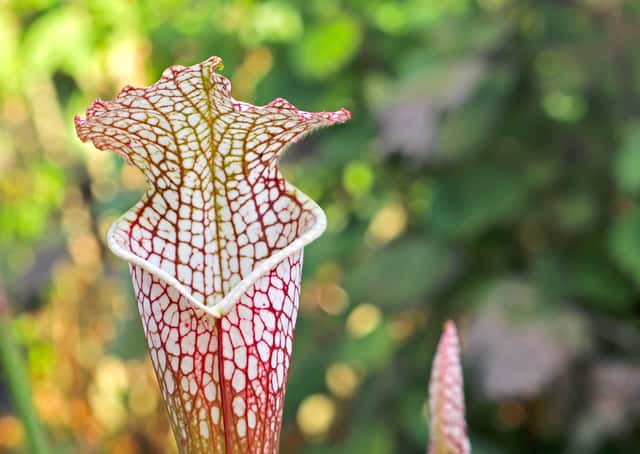
North American Pitcher Plant (Sarracenia) is a hard-care plant from the Sarraceniaceae family. Sarracenias are fascinating carnivorous plants native to North America. They feature modified leaves shaped like pitchers or trumpets, which they use to attract, capture, and digest insects. Their colors range from vibrant green to deep reds, often with contrasting veins that guide prey into the tra...
North American Pitcher Plant grows up to 1.0m, spread of 60cm, watering every 3 days, -10°C – 38°C, 50–80% humidity. It is suitable for indoor environments and safe for pets.
Unlike easy-care plants, North American Pitcher Plant demands constant attention to humidity and light. Not recommended for beginners. Unlike many popular species, North American Pitcher Plant is safe to keep around pets. Without adequate drainage, root rot can develop within 7 days.
How to Care for North American Pitcher Plant?
TLDR: North American Pitcher Plant needs Direct sun, watering every 3 days, and temperatures between -10-38°C with 50-80% humidity.
How Often Should You Water North American Pitcher Plant?
Use exclusively rainwater, distilled water, or reverse osmosis water. Chlorine and minerals from tap water will kill the plant.
How Much Light Does North American Pitcher Plant Need?
Needs direct sun for at least 6 hours daily to develop intense colors and robust pitchers.
What Is the Best Soil for North American Pitcher Plant?
Use a mix of 50% sphagnum moss and 50% perlite or quartz sand. Never use regular potting soil or fertilizers.
What Pot Should You Use for North American Pitcher Plant?
Plastic pots with drainage holes, kept on a tray with constant water.
Care Schedule
Repot
Every 730 days
What Is North American Pitcher Plant and Where Does It Come From?
Sarracenias are fascinating carnivorous plants native to North America. They feature modified leaves shaped like pitchers or trumpets, which they use to attract, capture, and digest insects. Their colors range from vibrant green to deep reds, often with contrasting veins that guide prey into the trap.
How to Propagate North American Pitcher Plant?
Rhizome Division
- Use sterilized cutting tools to prevent fungal infections.
- Keep the substrate very moist after division.
- 1 Plant Removal
Carefully remove the plant from the pot in early spring, before new growth begins.
- 2 Rhizome Cleaning
Remove excess substrate to expose the horizontal rhizome.
- 3 Division
Cut the rhizome into sections, ensuring each part has at least one growth point (bud) and some roots.
- 4 Repotting
Plant the divisions horizontally in a mixture of sphagnum moss and perlite.
Materials needed:
Seed Propagation
- Patience is key, as initial growth is very slow.
- Avoid fungi by maintaining good air circulation.
- 1 Stratification
Seeds need 4 to 8 weeks of cold, moist stratification in the refrigerator to break dormancy.
- 2 Sowing
Spread the seeds over moist chopped sphagnum moss without covering them.
- 3 Germination
Keep under bright light and high humidity until small seedlings appear.
Materials needed:
How Big Does North American Pitcher Plant Grow?
TLDR: North American Pitcher Plant can reach up to 1.0m tall with Slow growth rate.
Max height
1.0m
Spread
60cm
Growth rate
Slow
Foliage
Deciduous
Plant Uses
Ornamental
Great for decoration
Is your plant showing symptoms?
Click on the symptom to discover possible causes:
What Diseases Commonly Affect North American Pitcher Plant?
TLDR: North American Pitcher Plant is susceptible to 10 known diseases. Monitor regularly for early detection.
Gray Mold (Botrytis Blight)
Gray mold, caused by the fungus Botrytis cinerea, is a widespread necrotrophic pathogen affecting over 1,400 plant species. It thrives in cool, humid conditions and attacks weakened or aging plant tissues, causing soft rot and characteristic gray fuzzy growth.
Root Rot
Root rot is a serious fungal disease that affects the root system of plants, causing them to decay and die. It is primarily caused by overwatering, poor drainage, or soil-borne fungi such as Pythium, Phytophthora, Rhizoctonia, and Fusarium. The disease thrives in waterlogged conditions where roots are deprived of oxygen, making them susceptible to fungal infection.
Aphids
Aphids are small, soft-bodied, pear-shaped insects (1/16 to 1/8 inch long) that feed by sucking nutrient-rich sap from plants. They reproduce rapidly and can quickly weaken plants, causing distorted growth and transmitting plant viruses. Aphids come in various colors including green, black, red, yellow, brown, and gray. They secrete honeydew, a sticky substance that attracts ants and encourages sooty mold growth.
Scale Insects
Scale insects are small sap-sucking pests that appear as brown, shell-like bumps on plant stems and leaves. There are over 25 species, divided into armored (hard) and unarmored (soft) scales. They feed by piercing plant tissue and extracting sap, which weakens the plant and can lead to yellowing, stunted growth, and even death if left untreated. They also excrete honeydew, which attracts ants and promotes sooty mold growth.
Meaning & Symbolism
Represents resilience and the ability to thrive in conditions where others would fail.
Compare with similar plants
| Attribute | Difficulty | Light | Watering | Pet Safe |
|---|---|---|---|---|
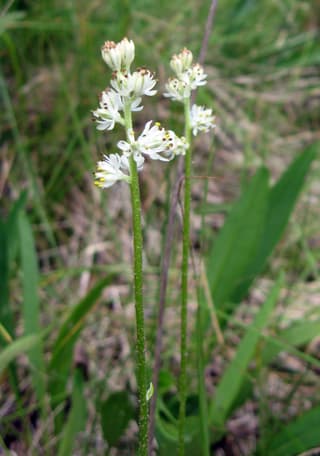
| Sticky false asphodel | Hard | Bright indirect | 1d | ✓ |
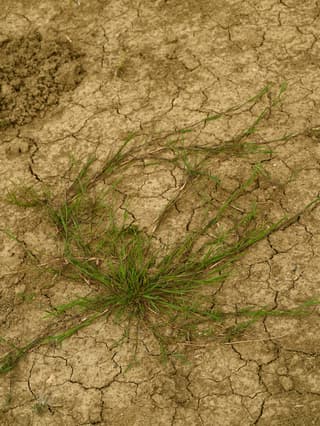
| Creeping bentgrass | Hard | Direct sun | 3d | ✓ |
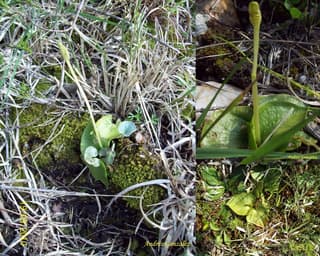
| Bulbous Adder's-tongue | Hard | Partial shade | 4d | ✓ |
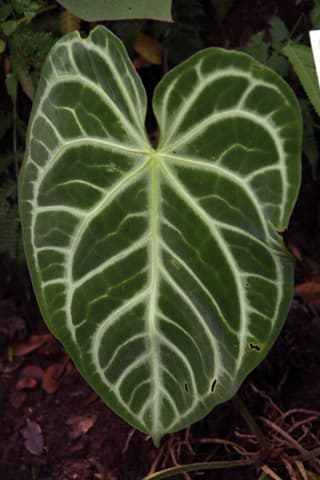
| Crystal Anthurium | Hard | Partial shade | 7d | ⚠️ |