Cactaceae
Ora-pro-nobis: Edible Plant
Pereskia aculeata
An extremely hardy and easy-to-grow plant. It prefers full sun and regular watering, adapting well to various soil types as long as they are well-drained.
Every 14 days
Bright indirect
15° - 29°C
40% - 80%
Categories
What is Ora-pro-nobis?
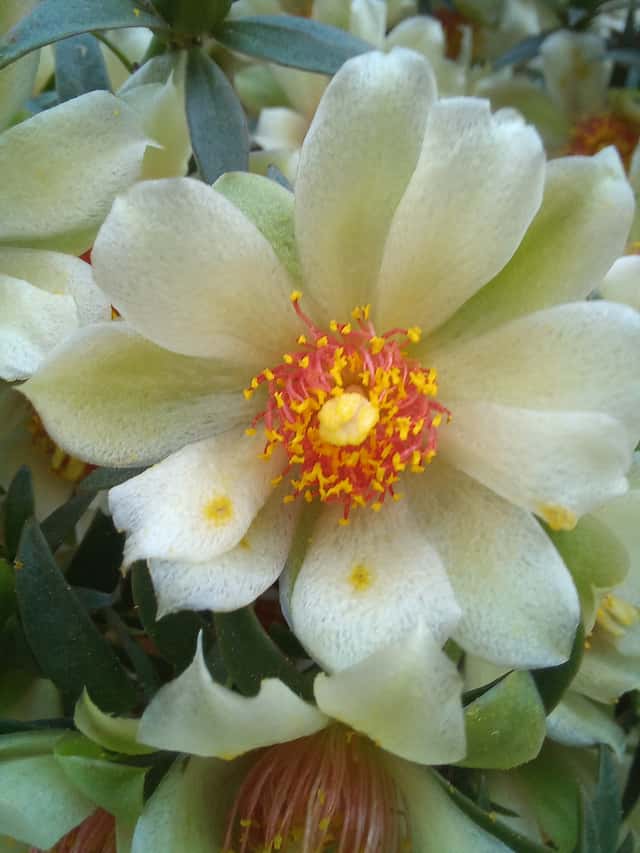
Ora-pro-nobis (Pereskia aculeata) is a easy-care plant from the Cactaceae family. Pereskia aculeata, popularly known as Ora-pro-nobis, is a unique climbing cactus that features true, succulent leaves. Native to Brazil, it is renowned as a superfood, containing high levels of protein, iron, and fiber. Its flowers are white and fragrant, attracting pollinators, and its branches hav...
Ora-pro-nobis grows up to 10.0m, spread of 300cm, watering every 14 days, 15°C – 29°C, 40–80% humidity. It is suitable for indoor environments and safe for pets.
Unlike many tropical plants, Ora-pro-nobis tolerates watering mistakes. Best for beginners. Unlike many popular species, Ora-pro-nobis is safe to keep around pets. Without adequate drainage, root rot can develop within 28 days.
How to Care for Ora-pro-nobis?
TLDR: Ora-pro-nobis needs Bright indirect, watering every 14 days, and temperatures between 15-29°C with 40-80% humidity.
How Often Should You Water Ora-pro-nobis?
Water whenever the soil surface is dry. Although it is a cactus, its leaves indicate thirst when they begin to wilt slightly.
How Much Light Does Ora-pro-nobis Need?
For vigorous growth and flowering, keep it in full sun. Indoors, place it near very bright windows.
What Is the Best Soil for Ora-pro-nobis?
It thrives in soil rich in organic matter but is very tolerant of poor soils, provided they do not become waterlogged.
What Pot Should You Use for Ora-pro-nobis?
Large pots with drainage holes or direct planting in the ground alongside supports such as trellises or walls.
Care Schedule
Fertilize
Every 30 days
Misting
Every 7 days
Rotate
Every 14 days
Repot
Every 730 days
What Is Ora-pro-nobis and Where Does It Come From?
Pereskia aculeata, popularly known as Ora-pro-nobis, is a unique climbing cactus that features true, succulent leaves. Native to Brazil, it is renowned as a superfood, containing high levels of protein, iron, and fiber. Its flowers are white and fragrant, attracting pollinators, and its branches have thorns that make it excellent for living fences.
How to Propagate Ora-pro-nobis?
Stem cutting
- Remove the leaves from the lower part that will be buried
- Be careful with the thorns when handling the plant
- 1 Cutting the Stem
Cut a healthy, mature branch about 20 cm long.
- 2 Callusing
Let the cutting rest in a shaded spot for 24 hours so the cut can callus over.
- 3 Planting
Insert the base of the cutting into a light substrate and keep it slightly moist until new shoots appear.
Materials needed:
How Big Does Ora-pro-nobis Grow?
TLDR: Ora-pro-nobis can reach up to 10.0m tall with Fast growth rate.
Max height
10.0m
Spread
3.0m
Growth rate
Fast
Foliage
Deciduous
Plant Uses
Edible
Can be consumed
Medicinal
Medicinal properties
Ornamental
Great for decoration
Medicinal Uses
- Combating anemia
- Digestive system support
- Anti-inflammatory action
- Strengthening the immune system
Culinary Uses
- Sautéed leaves
- Enriched breads and pastas
- Salads
- Fruit jam
Is your plant showing symptoms?
Click on the symptom to discover possible causes:
What Diseases Commonly Affect Ora-pro-nobis?
TLDR: Ora-pro-nobis is susceptible to 10 known diseases. Monitor regularly for early detection.
Root Rot
Root rot is a serious fungal disease that affects the root system of plants, causing them to decay and die. It is primarily caused by overwatering, poor drainage, or soil-borne fungi such as Pythium, Phytophthora, Rhizoctonia, and Fusarium. The disease thrives in waterlogged conditions where roots are deprived of oxygen, making them susceptible to fungal infection.
Mealybugs
Mealybugs are small, soft-bodied insects covered with a white, waxy, cottony material. They are common pests of houseplants and outdoor plants in mild climates. These sap-sucking insects feed on plant tissue, causing damage, stunted growth, and can lead to plant death if left untreated. They produce sticky honeydew which attracts sooty mold.
Scale Insects
Scale insects are small sap-sucking pests that appear as brown, shell-like bumps on plant stems and leaves. There are over 25 species, divided into armored (hard) and unarmored (soft) scales. They feed by piercing plant tissue and extracting sap, which weakens the plant and can lead to yellowing, stunted growth, and even death if left untreated. They also excrete honeydew, which attracts ants and promotes sooty mold growth.
Aphids
Aphids are small, soft-bodied, pear-shaped insects (1/16 to 1/8 inch long) that feed by sucking nutrient-rich sap from plants. They reproduce rapidly and can quickly weaken plants, causing distorted growth and transmitting plant viruses. Aphids come in various colors including green, black, red, yellow, brown, and gray. They secrete honeydew, a sticky substance that attracts ants and encourages sooty mold growth.
Meaning & Symbolism
Represents resilience and divine providence, linked to the tradition of being harvested in churchyards during sermons.
Compare with similar plants
| Attribute | Difficulty | Light | Watering | Pet Safe |
|---|---|---|---|---|
| Field Maple | Easy | Bright indirect | 14d | ✓ |
| Silver Birch | Easy | Direct sun | 14d | ✓ |
| Common Blanketflower | Easy | Direct sun | 10d | ✓ |
| Cushion Bush | Easy | Direct sun | 14d | ✓ |





