Araucariaceae
Parana Pine (Araucaria angustifolia): Complete Growing Guide
Araucaria angustifolia
The Parana Pine is a monumental outdoor tree requiring full sun and well-draining soil. It thrives in cool to temperate climates and is highly frost-tolerant. Not suitable for indoor cultivation or containers. Ideal for large gardens, parks, and reforestation projects. Once established, it is relatively low-maintenance but slow-growing.
Every 7 days
Direct sun
5° - 25°C
60% - 80%
Categories
What is Parana Pine?
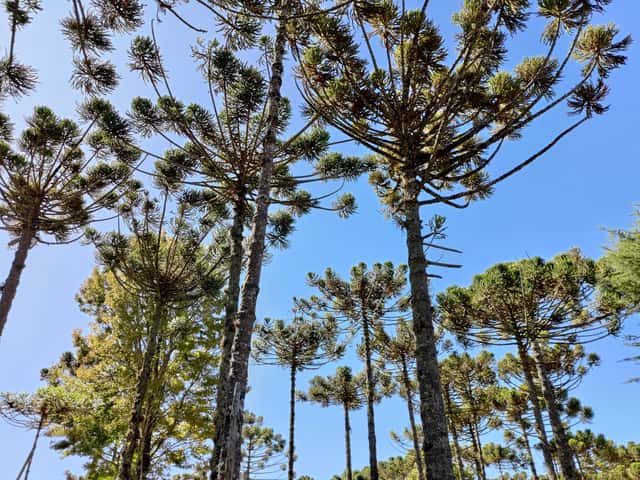
Parana Pine (Araucaria angustifolia) is a hard-care plant from the Araucariaceae family. The Parana Pine (Araucaria angustifolia) is a majestic conifer native to the Atlantic Forest of southern Brazil, recognized for its distinctive candelabra-shaped crown and whorled branches. Listed as Critically Endangered by the IUCN due to extensive logging and deforestation, it can live for hundre...
Parana Pine grows up to 50.0m, spread of 1000cm, watering every 7 days, 5°C – 25°C, 60–80% humidity. It is not suitable for indoor environments and safe for pets.
Unlike easy-care plants, Parana Pine demands constant attention to humidity and light. Not recommended for beginners. Unlike many popular species, Parana Pine is safe to keep around pets.
How to Care for Parana Pine?
TLDR: Parana Pine needs Direct sun, watering every 7 days, and temperatures between 5-25°C with 60-80% humidity.
How Often Should You Water Parana Pine?
Water young trees every 7 days, keeping the soil consistently moist but never waterlogged. Once established, the Parana Pine tolerates moderate drought. In regions with regular rainfall, supplemental watering may not be necessary. Always ensure good soil drainage to prevent root rot.
How Much Light Does Parana Pine Need?
Parana Pine requires full sun — at least 6 hours of direct sunlight daily. Seedlings can be started in partial shade to reduce heat stress, but should be gradually transitioned to full sun as they mature. Avoid permanently shaded locations.
What Is the Best Soil for Parana Pine?
Plant in deep, fertile, well-draining loamy soil with a slightly acidic to neutral pH (5.5–7.0). Avoid compacted or poorly drained soils. Enrich the planting hole with organic matter to support root establishment.
What Pot Should You Use for Parana Pine?
Not suitable for containers. Plant in open ground in large gardens or parks, in planting holes at least 60x60x60 cm enriched with organic compost.
Care Schedule
Fertilize
Every 90 days
What Is Parana Pine and Where Does It Come From?
The Parana Pine (Araucaria angustifolia) is a majestic conifer native to the Atlantic Forest of southern Brazil, recognized for its distinctive candelabra-shaped crown and whorled branches. Listed as Critically Endangered by the IUCN due to extensive logging and deforestation, it can live for hundreds of years and grow up to 50 meters tall in the wild. Its seeds, known as pinhão, are a vital food source for wildlife and indigenous communities in southern Brazil.
How to Propagate Parana Pine?
Seed propagation
Use freshly harvested seeds only — viability drops sharply after a few weeks. Minimize root disturbance during transplanting, as Parana Pine does not tolerate root stress well.
- 1 Collect fresh pinhão seeds between April and July
- 2 Remove outer shell and plant immediately as viability drops rapidly
- 3 Sow in moist, loamy substrate 3-5 cm deep
- 4 Keep in a shaded location with consistent moisture
- 5 Transplant to permanent location after 1-2 years when seedling reaches 30-50 cm
Materials needed:
How Big Does Parana Pine Grow?
TLDR: Parana Pine can reach up to 50.0m tall with Slow growth rate.
Max height
50.0m
Spread
10.0m
Growth rate
Slow
Foliage
Evergreen
Plant Uses
Ornamental
Great for decoration
Edible
Can be consumed
Culinary Uses
- Roasted pinhão seeds
- Boiled pinhão
- Traditional Brazilian southern stews with pinhão
Is your plant showing symptoms?
Click on the symptom to discover possible causes:
What Diseases Commonly Affect Parana Pine?
TLDR: Parana Pine is susceptible to 12 known diseases. Monitor regularly for early detection.
Root Rot
Root rot is a serious fungal disease that affects the root system of plants, causing them to decay and die. It is primarily caused by overwatering, poor drainage, or soil-borne fungi such as Pythium, Phytophthora, Rhizoctonia, and Fusarium. The disease thrives in waterlogged conditions where roots are deprived of oxygen, making them susceptible to fungal infection.
Phytophthora Root Rot
Disease caused by fungus-like organisms (oomycetes) that live in soil and can survive for years. It affects roots, stem, and crown of plants, being especially severe in waterlogged or poorly drained soils. It is the second most common cause of root rot in trees and shrubs.
Overwatering
Overwatering occurs when plants receive too much water, depriving roots of oxygen and causing root rot. This environmental stress is one of the most common causes of houseplant death, as waterlogged soil prevents roots from breathing and functioning properly.
Caterpillars
Caterpillars are the larval stage of moths and butterflies that feed voraciously on plant foliage, stems, flowers, and fruits. Common species include cabbage loopers, tomato hornworms, armyworms, and cutworms. These pests can cause extensive damage by consuming large amounts of plant tissue in a short time. They vary in size from small (1/4 inch) to large (5 inches), with colors ranging from green to brown, often featuring stripes or spots. Caterpillars are highly mobile and can quickly spread throughout gardens, making them one of the most destructive common pests.
Meaning & Symbolism
The Parana Pine is the state symbol of Paraná, Brazil, and holds deep cultural significance for indigenous Kaingang and Guarani peoples. Its seeds (pinhão) have been a staple food for centuries and are celebrated at regional winter festivals.
Fun Facts
Can live up to 400 years under ideal conditions
The Blue Jay (gralha-azul), symbol of Paraná state, is the primary seed disperser — it buries pinhão seeds and often forgets them, planting new trees
A mature tree can produce 50 to 200 seeds per cone
Araucaria trees have existed on Earth for over 200 million years, coexisting with dinosaurs
Frequently asked questions
Can Parana Pine be grown indoors or in a pot?
How often should I water Parana Pine?
Is Parana Pine frost-hardy?
Is Parana Pine toxic to pets or people?
Why is Parana Pine critically endangered?
Compare with similar plants
| Attribute | Difficulty | Light | Watering | Pet Safe |
|---|---|---|---|---|
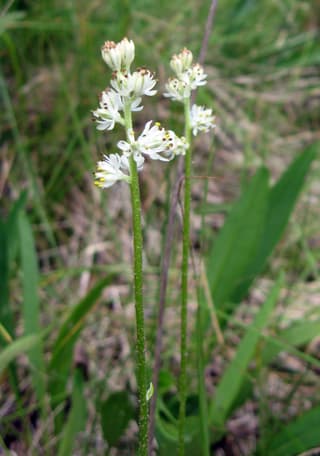
| Sticky false asphodel | Hard | Bright indirect | 1d | ✓ |
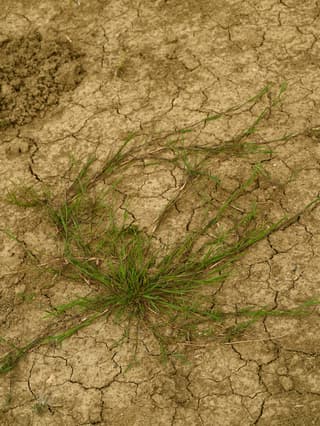
| Creeping bentgrass | Hard | Direct sun | 3d | ✓ |
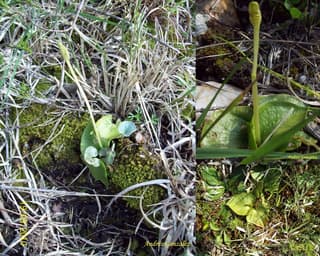
| Bulbous Adder's-tongue | Hard | Partial shade | 4d | ✓ |
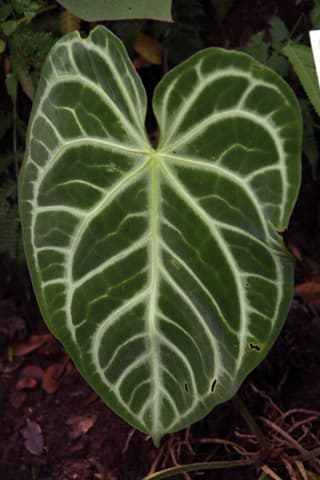
| Crystal Anthurium | Hard | Partial shade | 7d | ⚠️ |