Alstroemeriaceae
Parrot Lily (Alstroemeria psittacina)
Alstroemeria psittacina
Low-maintenance outdoor perennial. Thrives in full sun to partial shade with at least 6 hours of direct sunlight. Keep soil consistently moist but well-drained. Fertilize every 14 days during the growing season. Remove spent stems at the base to encourage reblooming.
Every 4 days
Bright indirect
10° - 27°C
50% - 60%
Categories
What is Parrot Lily?
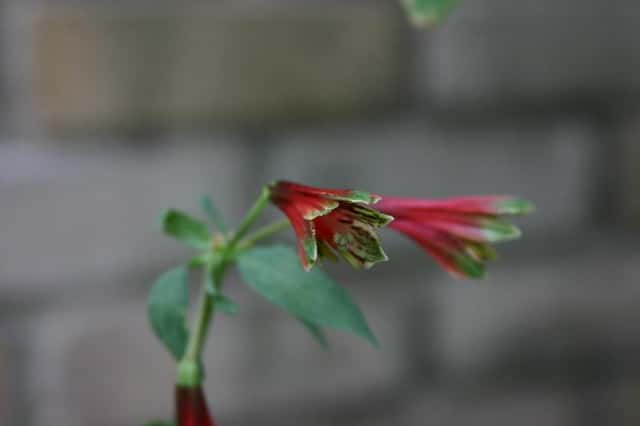
Parrot Lily (Alstroemeria psittacina) is a easy-care plant from the Alstroemeriaceae family. Parrot Lily (Alstroemeria psittacina) is a rhizomatous perennial native to Brazil and Argentina, celebrated for its striking red and green flowers reminiscent of parrot plumage. It blooms from summer to fall and is prized both as a garden plant and as a long-lasting cut flower. The sap may cause mil...
Parrot Lily grows up to 1.2m, spread of 45cm, watering every 4 days, 10°C – 27°C, 50–60% humidity. It is not suitable for indoor environments and not safe for pets.
Unlike many tropical plants, Parrot Lily tolerates watering mistakes. Best for beginners. Without precautions, ingestion can cause irritation in pets. Keep out of reach of cats and dogs.
How to Care for Parrot Lily?
TLDR: Parrot Lily needs Bright indirect, watering every 4 days, and temperatures between 10-27°C with 50-60% humidity.
How Often Should You Water Parrot Lily?
Water deeply every 3-5 days, providing about 1-2 inches per week. Avoid waterlogging — the tuberous roots are prone to rot in saturated soil. Reduce watering in winter when the plant goes dormant.
How Much Light Does Parrot Lily Need?
Requires at least 6 hours of direct sunlight daily. In hot climates, protect from intense afternoon sun. Avoid full shade as it significantly reduces flowering.
What Is the Best Soil for Parrot Lily?
Plant in well-draining, loamy to sandy-loam soil with pH 6.0–7.0. Amend with organic compost to enrich. In containers, use quality potting mix with added perlite to ensure drainage.
What Pot Should You Use for Parrot Lily?
Wide, deep terracotta or plastic container with generous drainage holes
Care Schedule
Fertilize
Every 14 days
What Is Parrot Lily and Where Does It Come From?
Parrot Lily (Alstroemeria psittacina) is a rhizomatous perennial native to Brazil and Argentina, celebrated for its striking red and green flowers reminiscent of parrot plumage. It blooms from summer to fall and is prized both as a garden plant and as a long-lasting cut flower. The sap may cause mild skin irritation.
How to Propagate Parrot Lily?
Rhizome Division
Divide in early spring for best results. Wear gloves to avoid sap irritation. Handle roots gently as they are brittle.
- 1 Carefully dig up the clump in early spring before new growth begins
- 2 Divide rhizomes into sections with at least 2-3 shoots each
- 3 Replant divisions 6 inches deep and 12-18 inches apart
- 4 Water thoroughly after planting and keep soil lightly moist
Materials needed:
Seed Propagation
Germination is irregular and plants may take 2-3 years to flower from seed. Division is preferred for faster results.
- 1 Cold-stratify seeds in a damp paper towel in the fridge for 4-6 weeks
- 2 Sow in trays with moist, well-draining seed compost
- 3 Keep at 15-18°C in a bright location
- 4 Transplant to final location after 2-3 months
Materials needed:
How Big Does Parrot Lily Grow?
TLDR: Parrot Lily can reach up to 1.2m tall with Medium growth rate.
Max height
1.2m
Spread
45cm
Growth rate
Medium
Foliage
Deciduous
Warning: Toxic Plant
This plant can be toxic if ingested. Keep out of reach of:
Plant Uses
Ornamental
Great for decoration
Is your plant showing symptoms?
Click on the symptom to discover possible causes:
What Diseases Commonly Affect Parrot Lily?
TLDR: Parrot Lily is susceptible to 8 known diseases. Monitor regularly for early detection.
Root Rot
Root rot is a serious fungal disease that affects the root system of plants, causing them to decay and die. It is primarily caused by overwatering, poor drainage, or soil-borne fungi such as Pythium, Phytophthora, Rhizoctonia, and Fusarium. The disease thrives in waterlogged conditions where roots are deprived of oxygen, making them susceptible to fungal infection.
Gray Mold (Botrytis Blight)
Gray mold, caused by the fungus Botrytis cinerea, is one of the most common fungal diseases in plants. It affects over 200 plant species, including ornamentals, vegetables, fruits, and houseplants. The disease thrives in cool, humid conditions with poor air circulation, causing grayish spots and soft rot on infected tissues.
Aphids
Aphids are small, soft-bodied, pear-shaped insects (1/16 to 1/8 inch long) that feed by sucking nutrient-rich sap from plants. They reproduce rapidly and can quickly weaken plants, causing distorted growth and transmitting plant viruses. Aphids come in various colors including green, black, red, yellow, brown, and gray. They secrete honeydew, a sticky substance that attracts ants and encourages sooty mold growth.
Thrips
Thrips are tiny cigar-shaped insects (1/25-inch long) that damage plants by sucking plant juices and scraping at fruits, flowers, and leaves. With over 6,000 species and rapid reproduction (lifecycle as short as 14 days), they can quickly infest plants and transmit viruses like tomato spotted wilt virus.
Meaning & Symbolism
Symbolizes friendship, devotion, and prosperity. Associated with loyalty and enduring bonds.
Fun Facts
Its flowers closely resemble the colorful plumage of parrots, inspiring its common name.
As a cut flower, Parrot Lily lasts up to two weeks in a vase — one of the longest-lasting garden flowers.
Native to Brazil and Argentina, it naturally grows in open fields and forest edges.
Frequently asked questions
How often should I water Parrot Lily?
Is Parrot Lily toxic to pets?
When does Parrot Lily bloom?
How do I propagate Parrot Lily?
Why are my Parrot Lily leaves turning yellow?
Compare with similar plants
| Attribute | Difficulty | Light | Watering | Pet Safe |
|---|---|---|---|---|
| Field Maple | Easy | Bright indirect | 14d | ✓ |
| Silver Birch | Easy | Direct sun | 14d | ✓ |
| Common Blanketflower | Easy | Direct sun | 10d | ✓ |
| Cushion Bush | Easy | Direct sun | 14d | ✓ |





