Amaranthaceae
Redroot Pigweed: The Nutritious Wild Herb You Can Eat
Amaranthus retroflexus
Very easy to grow. Thrives in full sun and fertile, well-drained soil. Drought-tolerant once established. Water every 5-10 days. No special fertilizing, pruning, or repotting needed — self-sows freely from seed.
Every 7 days
Direct sun
5° - 40°C
30% - 70%
Categories
What is Redroot Pigweed?
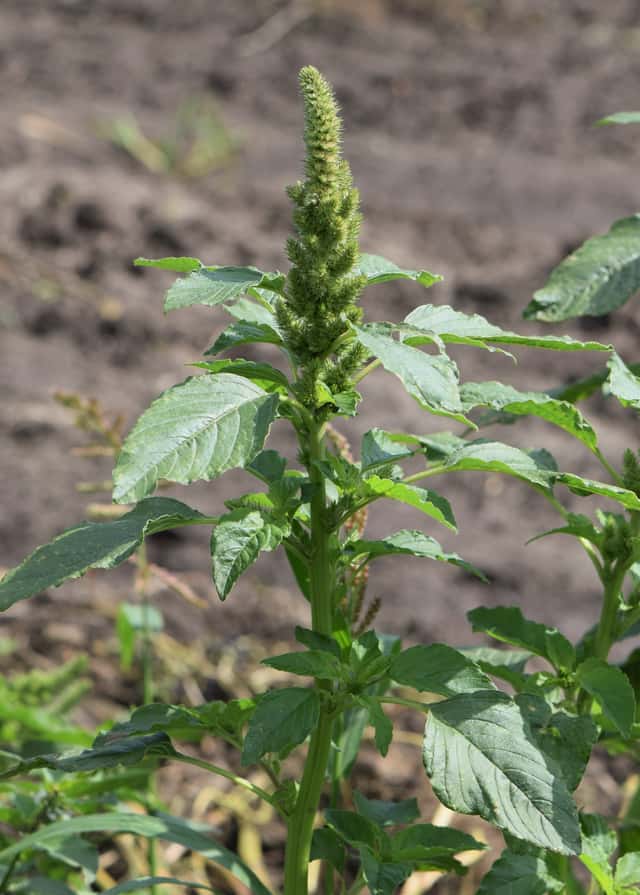
Redroot Pigweed (Amaranthus retroflexus) is a easy-care plant from the Amaranthaceae family. Redroot Pigweed (Amaranthus retroflexus) is an annual herb native to tropical Americas, now naturalized worldwide. It grows up to 2 m tall with dense gray-green flower spikes. Leaves are nutritious — rich in iron, calcium, vitamins A and C — and have long been used as food and medicine. CAUTION: lea...
Redroot Pigweed grows up to 2.0m, spread of 60cm, watering every 7 days, 5°C – 40°C, 30–70% humidity. It is not suitable for indoor environments and safe for pets.
Unlike many tropical plants, Redroot Pigweed tolerates watering mistakes. Best for beginners. Unlike many popular species, Redroot Pigweed is safe to keep around pets.
How to Care for Redroot Pigweed?
TLDR: Redroot Pigweed needs Direct sun, watering every 7 days, and temperatures between 5-40°C with 30-70% humidity.
How Often Should You Water Redroot Pigweed?
Water approximately every 7 days. During intense drought, increase frequency. Avoid waterlogging. Plant tolerates short dry spells without significant damage.
How Much Light Does Redroot Pigweed Need?
Requires full sun (at least 6 hours daily) for vigorous growth and best leaf production. Growth slows considerably in shade.
What Is the Best Soil for Redroot Pigweed?
Prefers loamy, fertile, well-drained soil with pH 6.0–7.5. Adapts to poorer soils but grows less vigorously. Avoid waterlogged or compacted soils.
What Pot Should You Use for Redroot Pigweed?
Outdoor bed, vegetable garden, or large container (min. 30 cm diameter). Clay or plastic pots are suitable.
What Is Redroot Pigweed and Where Does It Come From?
Redroot Pigweed (Amaranthus retroflexus) is an annual herb native to tropical Americas, now naturalized worldwide. It grows up to 2 m tall with dense gray-green flower spikes. Leaves are nutritious — rich in iron, calcium, vitamins A and C — and have long been used as food and medicine. CAUTION: leaves must always be cooked before consumption to neutralize oxalates; the plant can accumulate nitrates making it toxic to livestock in large quantities.
How to Propagate Redroot Pigweed?
Direct seeding
Sow after the last frost. Seeds are very small; mix with sand for easier distribution. Best germination above 25°C.
- 1 Prepare the soil by removing stones and clumps
- 2 Scatter seeds on the surface (do not bury deep — they need light to germinate)
- 3 Gently moisten the soil and keep moist until germination
- 4 Thin seedlings to 20-30 cm apart after emergence
Materials needed:
How Big Does Redroot Pigweed Grow?
TLDR: Redroot Pigweed can reach up to 2.0m tall with Fast growth rate.
Max height
2.0m
Spread
60cm
Growth rate
Fast
Foliage
Deciduous
Warning: Toxic Plant
This plant can be toxic if ingested. Keep out of reach of:
Plant Uses
Edible
Can be consumed
Medicinal
Medicinal properties
Medicinal Uses
- Diuretic and detoxifying (leaf infusion)
- Astringent for diarrhea and intestinal bleeding
- Anti-inflammatory in topical use (macerated leaves)
- Traditional use for sore throat (leaf infusion gargle)
Culinary Uses
- Cooked leaves sautéed with garlic and olive oil
- Substitute for spinach in soups and omelettes
- Seeds ground into flour for bread and porridge
- Ingredient in traditional Bahian and Afro-Brazilian dishes
Is your plant showing symptoms?
Click on the symptom to discover possible causes:
What Diseases Commonly Affect Redroot Pigweed?
TLDR: Redroot Pigweed is susceptible to 5 known diseases. Monitor regularly for early detection.
Aphids
Aphids are small, soft-bodied, pear-shaped insects (1/16 to 1/8 inch long) that feed by sucking nutrient-rich sap from plants. They reproduce rapidly and can quickly weaken plants, causing distorted growth and transmitting plant viruses. Aphids come in various colors including green, black, red, yellow, brown, and gray. They secrete honeydew, a sticky substance that attracts ants and encourages sooty mold growth.
Spider Mites
Spider mites are tiny arachnids (less than 1/20 inch long) related to spiders and ticks that feed on plant sap. They thrive in hot, dry conditions and can cause significant damage to ornamental and vegetable plants. During severe infestations, crop losses can reach 14% or higher as these pests disrupt vital plant processes including photosynthesis, carbon dioxide absorption, and transpiration.
Downy Mildew
Downy mildew is a fungal-like disease caused by oomycetes (water molds) that thrives in cool, wet conditions. It affects a wide range of plants, causing yellowing leaves with fuzzy white-gray growth underneath, leading to defoliation and reduced yields if left untreated.
Damping Off
Damping off is a soil-borne fungal disease that affects seeds and young seedlings, causing rotting of stem and root tissues at and below the soil line. It is caused by several fungi including Pythium, Rhizoctonia, Fusarium, and Phytophthora. The disease thrives in cold, wet conditions with poor air circulation.
Meaning & Symbolism
Symbol of resilience and adaptability. In Afro-Brazilian religions (Candomblé), it is a sacred offering to Ibeji, the twin orixás.
Fun Facts
A single plant can produce up to 100,000 seeds per season
Amaranth seeds were a staple grain for the Aztecs and Incas before European colonization
The seeds have a protein content comparable to eggs — about 16%
It is considered one of the most nutritious wild edible plants in the world
Frequently asked questions
Is Redroot Pigweed edible?
Is Redroot Pigweed toxic to livestock?
How do I control Redroot Pigweed in my garden?
What are the nutritional benefits?
Compare with similar plants
| Attribute | Difficulty | Light | Watering | Pet Safe |
|---|---|---|---|---|
| Field Maple | Easy | Bright indirect | 14d | ✓ |
| Silver Birch | Easy | Direct sun | 14d | ✓ |
| Common Blanketflower | Easy | Direct sun | 10d | ✓ |
| Cushion Bush | Easy | Direct sun | 14d | ✓ |





