Moraceae
Roxburgh Fig (Ficus auriculata): Complete Care Guide
Ficus auriculata
An outdoor plant for warm climates (USDA zones 9-11). Prefers full sun and well-draining soil. Water every 7-14 days, allowing the soil to dry slightly between waterings. Fertilize monthly during spring and summer. Protect from frost.
Every 10 days
Bright indirect
10° - 35°C
50% - 80%
Categories
What is Roxburgh Fig?
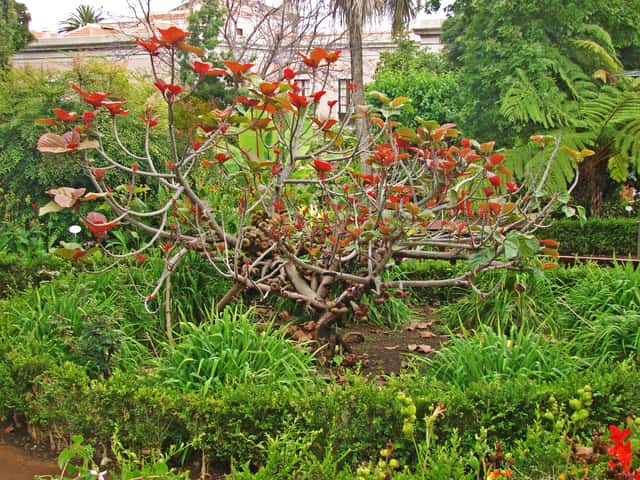
Roxburgh Fig (Ficus auriculata) is a easy-care plant from the Moraceae family. Ficus auriculata, commonly known as the Roxburgh fig or Elephant Ear fig, is a striking tropical tree native to South and Southeast Asia (India, Nepal, southern China). It is famous for its enormous heart-shaped leaves that can reach up to 38 cm (15 inches) in diameter, and for its edible figs that...
Roxburgh Fig grows up to 7.6m, spread of 460cm, watering every 10 days, 10°C – 35°C, 50–80% humidity. It is not suitable for indoor environments and not safe for pets.
Unlike many tropical plants, Roxburgh Fig tolerates watering mistakes. Best for beginners. Without precautions, ingestion can cause irritation in pets. Keep out of reach of cats and dogs.
How to Care for Roxburgh Fig?
TLDR: Roxburgh Fig needs Bright indirect, watering every 10 days, and temperatures between 10-35°C with 50-80% humidity.
How Often Should You Water Roxburgh Fig?
Water every 7-14 days, checking that the top 2 inches of soil are dry before watering again. Reduce watering in winter. Avoid waterlogged soil to prevent root rot.
How Much Light Does Roxburgh Fig Need?
Place in full sun (6 or more hours of direct sunlight daily) or partial shade. More light promotes better growth and fruiting. In cooler areas, shelter from cold winds.
What Is the Best Soil for Roxburgh Fig?
Use well-draining, organically rich soil with a pH between 6.0 and 7.0. Amend with coarse sand or perlite to improve drainage. Ensure pots have adequate drainage holes.
What Pot Should You Use for Roxburgh Fig?
Large terracotta pot or container with drainage holes. For outdoor cultivation, planting directly in the ground is preferred.
Care Schedule
Fertilize
Every 30 days
Misting
Every 7 days
Repot
Every 730 days
What Is Roxburgh Fig and Where Does It Come From?
Ficus auriculata, commonly known as the Roxburgh fig or Elephant Ear fig, is a striking tropical tree native to South and Southeast Asia (India, Nepal, southern China). It is famous for its enormous heart-shaped leaves that can reach up to 38 cm (15 inches) in diameter, and for its edible figs that grow directly from the trunk and main branches in a phenomenon known as cauliflory.
How to Propagate Roxburgh Fig?
Stem Cutting
Keep the substrate lightly moist and avoid direct sunlight during rooting. Use clean, sterilized tools.
- 1 Cut a semi-hardwood stem 15-20 cm long with 2-3 leaves
- 2 Remove lower leaves and apply rooting hormone to the cut end
- 3 Plant in moist, well-draining growing medium
- 4 Cover with a plastic bag to maintain humidity and place in indirect light
- 5 Wait 3-6 weeks for roots to develop
Materials needed:
Air Layering
Air layering is the most reliable method for this species. Keep the moss consistently moist.
- 1 Choose a flexible branch and make a shallow cut in the middle
- 2 Apply rooting hormone to the cut
- 3 Wrap the cut with moist sphagnum moss and cover with clear plastic
- 4 Wait for roots to develop before separating the new plant
Materials needed:
Seed
Fresh seeds have a higher germination rate. Vegetative propagation is more recommended.
- 1 Use fresh seeds as they lose viability quickly
- 2 Plant in moist substrate at 1-2 cm depth
- 3 Maintain temperature above 20°C and high humidity
- 4 Expect germination in 2-4 weeks
Materials needed:
How Big Does Roxburgh Fig Grow?
TLDR: Roxburgh Fig can reach up to 7.6m tall with Medium growth rate.
Max height
7.6m
Spread
4.6m
Growth rate
Medium
Foliage
Evergreen
Warning: Toxic Plant
This plant can be toxic if ingested. Keep out of reach of:
Plant Uses
Ornamental
Great for decoration
Edible
Can be consumed
Culinary Uses
- Ripe figs can be eaten fresh, cooked into jams, or used in juices and curries
- Young leaves are edible in some South Asian cultures
Is your plant showing symptoms?
Click on the symptom to discover possible causes:
What Diseases Commonly Affect Roxburgh Fig?
TLDR: Roxburgh Fig is susceptible to 6 known diseases. Monitor regularly for early detection.
Scale Insects
Scale insects are small sap-sucking pests that appear as brown, shell-like bumps on plant stems and leaves. There are over 25 species, divided into armored (hard) and unarmored (soft) scales. They feed by piercing plant tissue and extracting sap, which weakens the plant and can lead to yellowing, stunted growth, and even death if left untreated. They also excrete honeydew, which attracts ants and promotes sooty mold growth.
Mealybugs
Mealybugs are small, soft-bodied insects covered with a white, waxy, cottony material. They are common pests of houseplants and outdoor plants in mild climates. These sap-sucking insects feed on plant tissue, causing damage, stunted growth, and can lead to plant death if left untreated. They produce sticky honeydew which attracts sooty mold.
Spider Mites
Spider mites are tiny arachnids (less than 1/20 inch long) related to spiders and ticks that feed on plant sap. They thrive in hot, dry conditions and can cause significant damage to ornamental and vegetable plants. During severe infestations, crop losses can reach 14% or higher as these pests disrupt vital plant processes including photosynthesis, carbon dioxide absorption, and transpiration.
Thrips
Thrips are tiny cigar-shaped insects (1/25-inch long) that damage plants by sucking plant juices and scraping at fruits, flowers, and leaves. With over 6,000 species and rapid reproduction (lifecycle as short as 14 days), they can quickly infest plants and transmit viruses like tomato spotted wilt virus.
Fun Facts
The leaves of Ficus auriculata can reach up to 38 cm (15 inches) in diameter, among the largest of any cultivated fig
Its figs grow directly from the trunk in a phenomenon called cauliflory, common in dense tropical forest plants
In India and Nepal, the large leaves have traditionally been used as natural disposable plates
Frequently asked questions
How often should I water the Roxburgh Fig?
Is Ficus auriculata toxic to pets?
What light does the Roxburgh Fig need?
Can Ficus auriculata be grown in a pot?
When does the Roxburgh Fig produce fruit?
Compare with similar plants
| Attribute | Difficulty | Light | Watering | Pet Safe |
|---|---|---|---|---|
| Field Maple | Easy | Bright indirect | 14d | ✓ |
| Silver Birch | Easy | Direct sun | 14d | ✓ |
| Common Blanketflower | Easy | Direct sun | 10d | ✓ |
| Cushion Bush | Easy | Direct sun | 14d | ✓ |





