Schizaeaceae
Schizaea — Comb Fern (Genus)
Schizaea
A specialist plant requiring high humidity (70-90%), consistently moist peaty soil, bright indirect light, and temperatures of 15-32°C. Suitable for outdoor cultivation only in zones 10-12.
Every 7 days
Partial shade
15° - 32°C
70% - 90%
Categories
What is Comb Fern (genus)?
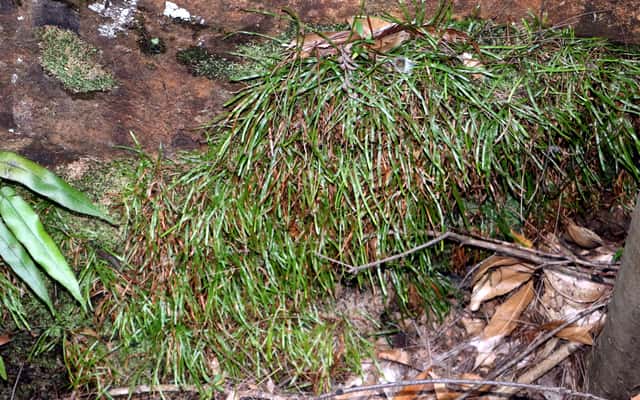
Comb Fern (genus) (Schizaea) is a hard-care plant from the Schizaeaceae family. Schizaea is a genus of primitive ferns in the family Schizaeaceae, characterized by grass-like sterile fronds and distinctive comb-shaped fertile segments. Native to tropical and subtropical humid regions worldwide, they are rarely seen outside specialist collections and greenhouses.
Comb Fern (genus) grows up to 40cm, spread of 30cm, watering every 7 days, 15°C – 32°C, 70–90% humidity. It is not suitable for indoor environments and safe for pets.
Unlike easy-care plants, Comb Fern (genus) demands constant attention to humidity and light. Not recommended for beginners. Unlike many popular species, Comb Fern (genus) is safe to keep around pets.
How to Care for Comb Fern (genus)?
TLDR: Comb Fern (genus) needs Partial shade, watering every 7 days, and temperatures between 15-32°C with 70-90% humidity.
How Often Should You Water Comb Fern (genus)?
Water every 7 days, keeping the substrate consistently moist but never waterlogged. Use filtered or rainwater, as these ferns are sensitive to fluoride and chlorine.
How Much Light Does Comb Fern (genus) Need?
Provide bright indirect light — a well-lit room without direct sun exposure is ideal. Avoid afternoon sun which can scorch the delicate fronds.
What Is the Best Soil for Comb Fern (genus)?
Use an acidic peaty mix (pH 5.0-6.5) that drains well but retains moisture. A blend of peat, perlite and coarse sand works well.
What Pot Should You Use for Comb Fern (genus)?
Terracotta or ceramic pots with drainage holes; avoid plastic which retains excess heat.
Care Schedule
Fertilize
Every 90 days
Misting
Every 3 days
Repot
Every 730 days
What Is Comb Fern (genus) and Where Does It Come From?
Schizaea is a genus of primitive ferns in the family Schizaeaceae, characterized by grass-like sterile fronds and distinctive comb-shaped fertile segments. Native to tropical and subtropical humid regions worldwide, they are rarely seen outside specialist collections and greenhouses.
How to Propagate Comb Fern (genus)?
Spore Propagation
Requires a highly controlled environment. Prevent fungal contamination by sterilizing all materials. Germination is slow and uneven.
- 1 Collect mature spores from fertile fronds
- 2 Sterilize peaty substrate in an oven
- 3 Sow spores on moist substrate in a sealed humid environment
- 4 Maintain 20-25°C and humidity above 80%
- 5 Wait for prothallus formation and young frond development
Materials needed:
How Big Does Comb Fern (genus) Grow?
TLDR: Comb Fern (genus) can reach up to 40cm tall with Slow growth rate.
Max height
40cm
Spread
30cm
Growth rate
Slow
Foliage
Evergreen
Plant Uses
Ornamental
Great for decoration
Is your plant showing symptoms?
Click on the symptom to discover possible causes:
What Diseases Commonly Affect Comb Fern (genus)?
TLDR: Comb Fern (genus) is susceptible to 3 known diseases. Monitor regularly for early detection.
Root Rot
Root rot is a serious fungal disease that affects the root system of plants, causing them to decay and die. It is primarily caused by overwatering, poor drainage, or soil-borne fungi such as Pythium, Phytophthora, Rhizoctonia, and Fusarium. The disease thrives in waterlogged conditions where roots are deprived of oxygen, making them susceptible to fungal infection.
Low Humidity Stress
Low humidity stress occurs when indoor air becomes too dry, causing plants to lose moisture faster than they can absorb it through their roots. This is especially common during winter heating periods, near radiators and heating vents, or in air-conditioned spaces. Tropical plants are particularly susceptible to low humidity damage.
Fungus Gnats
Fungus gnats are small, gray-to-black mosquito-like insects (1/8 to 1/10 inches long) commonly found in indoor plants. Adult gnats are mostly a nuisance, but their larvae feed on plant roots and organic matter in soil, potentially causing serious damage to young or vulnerable plants. The larvae are translucent white with distinctive black heads and can leave slime trails on the soil surface in heavy infestations.
Meaning & Symbolism
Represents ancient resilience — Schizaea ferns are living fossils from the Mesozoic era, largely unchanged for millions of years.
Fun Facts
Schizaea are living fossils — they have existed for over 180 million years since the Jurassic period
The sterile fronds resemble grass blades, making these plants nearly invisible in their natural habitat
The name comes from the Greek "schizein" (to split), referring to the divided shape of the fertile fronds
Some species are so small and inconspicuous that botanists frequently overlook them during field surveys
Frequently asked questions
Is Schizaea difficult to grow?
Can Schizaea be grown indoors?
How do you propagate Schizaea?
Is Schizaea toxic to pets?
Compare with similar plants
| Attribute | Difficulty | Light | Watering | Pet Safe |
|---|---|---|---|---|
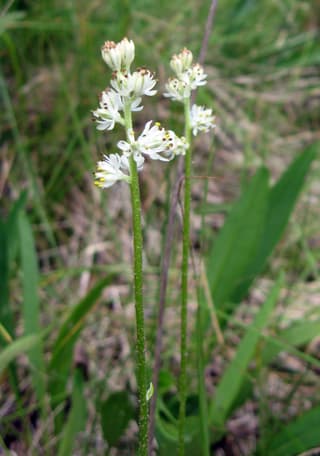
| Sticky false asphodel | Hard | Bright indirect | 1d | ✓ |
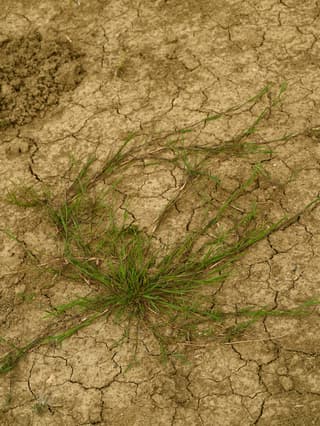
| Creeping bentgrass | Hard | Direct sun | 3d | ✓ |
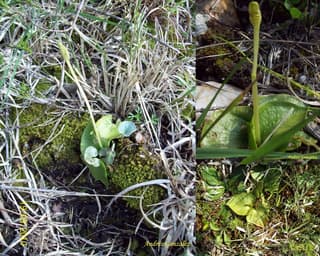
| Bulbous Adder's-tongue | Hard | Partial shade | 4d | ✓ |
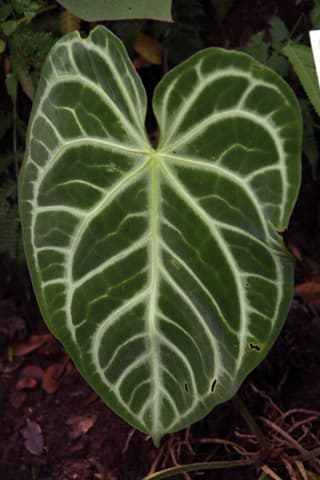
| Crystal Anthurium | Hard | Partial shade | 7d | ⚠️ |