Aspleniaceae
Spleenwort (Asplenium): Complete Indoor Fern Care Guide
Asplenium
Asplenium thrives in low to medium indirect light, high humidity, and evenly moist but well-draining substrate. Avoid direct sunlight. Water around the base, never into the central rosette.
Every 7 days
Low light
16° - 24°C
50% - 80%
Categories
What is Spleenwort?
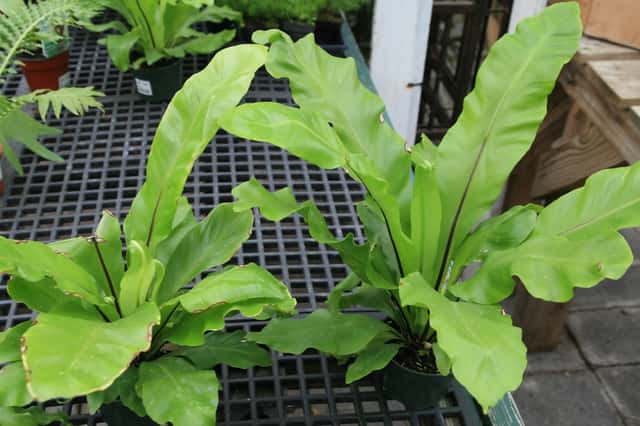
Spleenwort (Asplenium) is a easy-care plant from the Aspleniaceae family. Asplenium is a genus of approximately 700 fern species found across tropical and subtropical regions worldwide. The most popular indoor species is Asplenium nidus, the Bird's Nest Fern, recognised by its long, glossy, bright-green fronds radiating from a central rosette. Naturally adapted to low-lig...
Spleenwort grows up to 80cm, spread of 90cm, watering every 7 days, 16°C – 24°C, 50–80% humidity. It is suitable for indoor environments and safe for pets.
Unlike many tropical plants, Spleenwort tolerates watering mistakes. Best for beginners. Unlike many popular species, Spleenwort is safe to keep around pets. Without adequate drainage, root rot can develop within 14 days.
How to Care for Spleenwort?
TLDR: Spleenwort needs Low light, watering every 7 days, and temperatures between 16-24°C with 50-80% humidity.
How Often Should You Water Spleenwort?
Water approximately every 7 days, when the top 1-2 cm of substrate begins to dry out. Keep the growing medium evenly moist but never waterlogged. Always water at the rim of the pot — pouring water into the centre rosette can cause crown rot.
How Much Light Does Spleenwort Need?
Prefers soft, indirect low to medium light. East- or north-facing windows are ideal indoors. Keep away from direct midday sun, which scorches the delicate fronds.
What Is the Best Soil for Spleenwort?
Use a light, well-draining mix rich in organic matter: a quality indoor potting mix combined with fine bark, perlite, and coco fibre or sphagnum moss. Ideal pH is 5.0–6.5.
What Pot Should You Use for Spleenwort?
Terracotta or ceramic pots with adequate drainage holes are ideal for good root aeration. Plastic pots can help retain moisture in very dry environments.
Care Schedule
Fertilize
Every 90 days
Misting
Every 3 days
Rotate
Every 30 days
Repot
Every 730 days
What Is Spleenwort and Where Does It Come From?
Asplenium is a genus of approximately 700 fern species found across tropical and subtropical regions worldwide. The most popular indoor species is Asplenium nidus, the Bird's Nest Fern, recognised by its long, glossy, bright-green fronds radiating from a central rosette. Naturally adapted to low-light forest floors and tree trunks, Asplenium makes an excellent houseplant for rooms with limited natural light.
How to Propagate Spleenwort?
Clump Division
Divide only mature, healthy plants in spring. Keep substrate moist for the first few weeks after division.
- 1 Remove the plant from its pot and inspect the root system
- 2 Carefully separate side offsets or clumps that have their own roots using a clean, sharp knife
- 3 Plant each division in fresh, moist substrate
- 4 Keep in a shaded spot with high humidity until established
Materials needed:
Spore Propagation
Spore propagation requires patience and controlled humidity and temperature conditions. More common in commercial cultivation.
- 1 Collect mature fronds with brown spore clusters on the undersides
- 2 Scatter spores onto moist sphagnum moss in a covered tray
- 3 Maintain temperature of 21-27°C and high humidity
- 4 Wait for germination and gametophyte development before transplanting
Materials needed:
How Big Does Spleenwort Grow?
TLDR: Spleenwort can reach up to 80cm tall with Slow growth rate.
Max height
80cm
Spread
90cm
Growth rate
Slow
Foliage
Evergreen
Plant Uses
Ornamental
Great for decoration
Air Purifying
Improves air quality
Medicinal Uses
- Historically used in European folk medicine to treat spleen and liver disorders
Is your plant showing symptoms?
Click on the symptom to discover possible causes:
What Diseases Commonly Affect Spleenwort?
TLDR: Spleenwort is susceptible to 8 known diseases. Monitor regularly for early detection.
Root Rot
Root rot is a serious fungal disease that affects the root system of plants, causing them to decay and die. It is primarily caused by overwatering, poor drainage, or soil-borne fungi such as Pythium, Phytophthora, Rhizoctonia, and Fusarium. The disease thrives in waterlogged conditions where roots are deprived of oxygen, making them susceptible to fungal infection.
Bacterial Blight
Bacterial blight is a serious plant disease caused by pathogenic bacteria that enters plants through wounds or natural openings. It spreads rapidly in warm, wet conditions and can cause significant damage to leaves, stems, and flowers. The bacteria are transmitted by water splash, contaminated tools, and insects.
Scale Insects
Scale insects are small sap-sucking pests that appear as brown, shell-like bumps on plant stems and leaves. There are over 25 species, divided into armored (hard) and unarmored (soft) scales. They feed by piercing plant tissue and extracting sap, which weakens the plant and can lead to yellowing, stunted growth, and even death if left untreated. They also excrete honeydew, which attracts ants and promotes sooty mold growth.
Mealybugs
Mealybugs are small, soft-bodied insects covered with a white, waxy, cottony material. They are common pests of houseplants and outdoor plants in mild climates. These sap-sucking insects feed on plant tissue, causing damage, stunted growth, and can lead to plant death if left untreated. They produce sticky honeydew which attracts sooty mold.
Meaning & Symbolism
Asplenium symbolises resilience and adaptability. Historically, spleenwort species were used in traditional herbal medicine to treat ailments of the spleen — reflected in the common name "spleenwort".
Fun Facts
The Asplenium genus contains around 700 species found on every continent except Antarctica
The name Asplenium derives from the ancient Greek word for spleen — these plants were used in medieval medicine to treat spleen disorders
In nature, Asplenium nidus is epiphytic, growing on tree trunks in tropical rainforests
With proper care, an Asplenium can live for many decades indoors
Frequently asked questions
How often should I water my Asplenium?
How much light does an Asplenium need?
Is Asplenium toxic to pets?
Why are the frond tips turning brown?
When should I repot my Asplenium?
Compare with similar plants
| Attribute | Difficulty | Light | Watering | Pet Safe |
|---|---|---|---|---|
| Field Maple | Easy | Bright indirect | 14d | ✓ |
| Silver Birch | Easy | Direct sun | 14d | ✓ |
| Common Blanketflower | Easy | Direct sun | 10d | ✓ |
| Cushion Bush | Easy | Direct sun | 14d | ✓ |





