Fabaceae
Tamarind: Edible Plant
Tamarindus indica
Requires full sun and well-drained soil. It is drought-tolerant once established, but needs protection from frost and temperatures below 10°C.
Every 14 days
Direct sun
-3° - 45°C
40% - 80%
Categories
What is Tamarind?
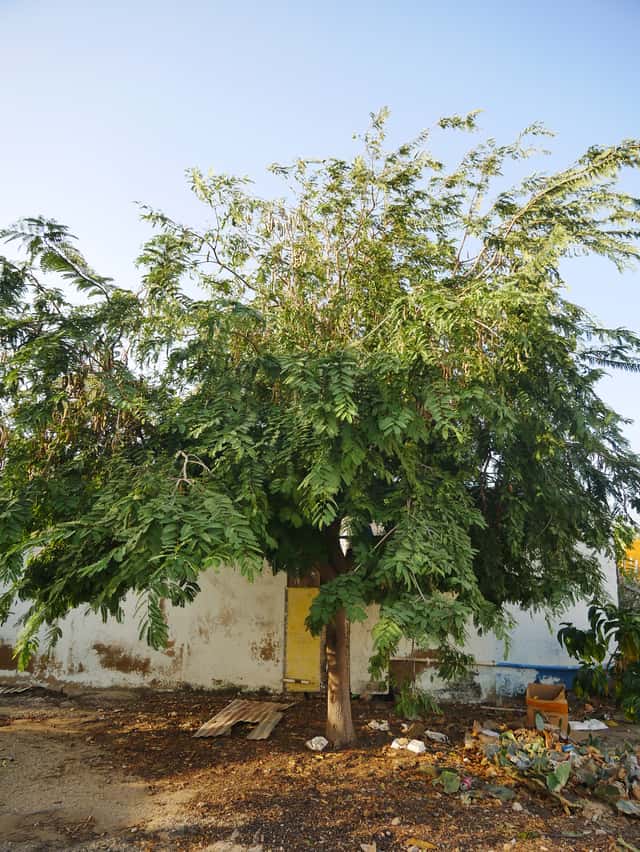
Tamarind (Tamarindus indica) is a easy-care plant from the Fabaceae family. Tamarindus indica is a majestic tropical tree, known for its dense canopy and pod-shaped fruits containing a highly prized sweet and sour pulp. Its leaves are pinnate and delicate, closing at night. It is a long-lived species that can reach large proportions in warm climates.
Tamarind grows up to 20.0m, spread of 2000cm, watering every 14 days, -3°C – 45°C, 40–80% humidity. It is not suitable for indoor environments and safe for pets.
Unlike many tropical plants, Tamarind tolerates watering mistakes. Best for beginners. Unlike many popular species, Tamarind is safe to keep around pets.
How to Care for Tamarind?
TLDR: Tamarind needs Direct sun, watering every 14 days, and temperatures between -3-45°C with 40-80% humidity.
How Often Should You Water Tamarind?
Water deeply when the topsoil is dry. Drastically reduce watering during winter.
How Much Light Does Tamarind Need?
For vigorous growth and fruiting, the plant should receive direct sunlight for at least 6 to 8 hours a day.
What Is the Best Soil for Tamarind?
Although it tolerates various soil types, it prefers deep, fertile mixtures with a slightly acidic to neutral pH.
What Pot Should You Use for Tamarind?
Large terracotta pots with excellent drainage for young seedlings or bonsai techniques.
Care Schedule
Fertilize
Every 90 days
What Is Tamarind and Where Does It Come From?
Tamarindus indica is a majestic tropical tree, known for its dense canopy and pod-shaped fruits containing a highly prized sweet and sour pulp. Its leaves are pinnate and delicate, closing at night. It is a long-lived species that can reach large proportions in warm climates.
How to Propagate Tamarind?
Seed Sowing
- Lightly scarifying the seed coat can accelerate germination.
- 1 Seed preparation
Remove seeds from ripe pulp and soak them in warm water for 24 hours.
- 2 Planting
Sow in a light, sandy substrate about 1 cm deep.
- 3 Germination
Keep the soil moist and in a warm place until sprouts appear.
Materials needed:
Air Layering
- Keep the air layer protected from excessive direct sun to prevent cooking the new roots.
- 1 Girdling
Remove a 1-2 cm wide ring of bark from a healthy branch.
- 2 Application
Apply rooting hormone to the exposed area and wrap with moist sphagnum moss.
- 3 Protection
Cover the moss with plastic film and tie the ends securely to maintain humidity.
Materials needed:
How Big Does Tamarind Grow?
TLDR: Tamarind can reach up to 20.0m tall with Slow growth rate.
Max height
20.0m
Spread
20.0m
Growth rate
Slow
Foliage
Evergreen
Plant Uses
Ornamental
Great for decoration
Medicinal
Medicinal properties
Edible
Can be consumed
Medicinal Uses
- Natural mild laxative
- Aids digestion
- Anti-inflammatory properties
- Rich in vitamin C and antioxidants
Culinary Uses
- Pulp used in juices and sweets
- Base for sauces and seasonings (chutneys)
- Ingredient in Thai and Indian cuisine dishes
- Consumed fresh
Is your plant showing symptoms?
Click on the symptom to discover possible causes:
What Diseases Commonly Affect Tamarind?
TLDR: Tamarind is susceptible to 10 known diseases. Monitor regularly for early detection.
Powdery Mildew
Powdery mildew is a common fungal disease caused by various fungi species including Erysiphe, Podosphaera, Oïdium, and Leveillula. It affects over 10,000 plant species worldwide. The disease thrives in warm, dry climates with high humidity and appears as a distinctive white powdery coating on plant surfaces.
Root Rot
Root rot is a serious fungal disease that affects the root system of plants, causing them to decay and die. It is primarily caused by overwatering, poor drainage, or soil-borne fungi such as Pythium, Phytophthora, Rhizoctonia, and Fusarium. The disease thrives in waterlogged conditions where roots are deprived of oxygen, making them susceptible to fungal infection.
Leaf Spot
Leaf spot is a common fungal disease caused by various pathogens including Alternaria, Ascochyta, Colletotrichum, Septoria, and Venturia. It primarily affects leaves, causing discolored spots that can lead to premature leaf drop if left untreated.
Anthracnose
Anthracnose is a fungal disease caused by fungi in the genus Colletotrichum that affects many plants, including vegetables, fruits, and trees. The disease thrives in cool, wet conditions, causing dark, sunken lesions on leaves, stems, flowers, and fruits.
Meaning & Symbolism
It represents hospitality, patience, and the sweetness that comes with maturity.
Compare with similar plants
| Attribute | Difficulty | Light | Watering | Pet Safe |
|---|---|---|---|---|
| Field Maple | Easy | Bright indirect | 14d | ✓ |
| Silver Birch | Easy | Direct sun | 14d | ✓ |
| Common Blanketflower | Easy | Direct sun | 10d | ✓ |
| Cushion Bush | Easy | Direct sun | 14d | ✓ |





