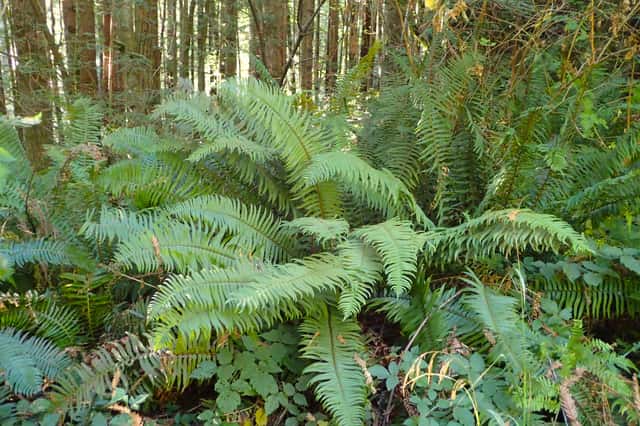
Dryopteridaceae
Western Sword Fern (Polystichum munitum)
Polystichum munitum
An easy-care plant ideal for shaded gardens and low-light interiors. Water moderately, allowing the soil to dry slightly between waterings. Benefits from elevated humidity. Tolerates frost and moderate drought once established.
Every 7 days
Low light
-20° - 30°C
50% - 80%
Categories
What is Western Sword Fern?
Western Sword Fern (Polystichum munitum) is a easy-care plant from the Dryopteridaceae family. Polystichum munitum, commonly known as the Western Sword Fern, is a large evergreen fern native to the temperate rainforests of the Pacific Northwest of North America. Its glossy, dark green fronds arch outward from a dense central crown and can reach up to 180 cm in length. It is one of the most ab...
Western Sword Fern grows up to 1.8m, spread of 150cm, watering every 7 days, -20°C – 30°C, 50–80% humidity. It is suitable for indoor environments and safe for pets.
Unlike many tropical plants, Western Sword Fern tolerates watering mistakes. Best for beginners. Unlike many popular species, Western Sword Fern is safe to keep around pets. Without adequate drainage, root rot can develop within 14 days.
How to Care for Western Sword Fern?
TLDR: Western Sword Fern needs Low light, watering every 7 days, and temperatures between -20-30°C with 50-80% humidity.
How Often Should You Water Western Sword Fern?
Water every 7 days on average, keeping the soil evenly moist but never waterlogged. Once established outdoors, tolerates moderate drought periods. Reduce watering in winter. Brown frond tips indicate underwatering.
How Much Light Does Western Sword Fern Need?
Prefers full shade to partial shade. Avoid direct sunlight which can scorch fronds. Ideal in filtered light or beneath a tree canopy.
What Is the Best Soil for Western Sword Fern?
Use well-draining soil rich in organic matter, such as a mix of compost and bark. pH 5.0–7.0. Avoid compacted or waterlogged soils.
What Pot Should You Use for Western Sword Fern?
Terracotta or ceramic pots with good drainage. For outdoor cultivation, plant directly in soil enriched with organic compost.
Care Schedule
Fertilize
Every 90 days
Misting
Every 3 days
What Is Western Sword Fern and Where Does It Come From?
Polystichum munitum, commonly known as the Western Sword Fern, is a large evergreen fern native to the temperate rainforests of the Pacific Northwest of North America. Its glossy, dark green fronds arch outward from a dense central crown and can reach up to 180 cm in length. It is one of the most abundant and resilient ferns in Pacific Northwest forests, highly valued in shaded gardens and naturalistic landscaping.
How to Propagate Western Sword Fern?
Crown Division
Divide in early spring to take advantage of active growth. Keep roots moist throughout the process.
- 1 Remove the plant from its pot or dig it up in spring
- 2 Divide the crown into sections with at least 2-3 fronds each
- 3 Replant each division in moist, well-draining substrate
- 4 Water thoroughly and keep in a shaded location until established
Materials needed:
Spore Propagation
A slow and labor-intensive process, recommended for enthusiasts. Maintain consistently high humidity throughout.
- 1 Collect mature fronds with brown spores on the underside
- 2 Dry fronds on paper and collect the spores
- 3 Sow on sterile, moist substrate in a closed container
- 4 Keep in a humid environment with indirect light until gametophytes develop
- 5 Transplant seedlings after 3-6 months
Materials needed:
How Big Does Western Sword Fern Grow?
TLDR: Western Sword Fern can reach up to 1.8m tall with Slow growth rate.
Max height
1.8m
Spread
1.5m
Growth rate
Slow
Foliage
Evergreen
Plant Uses
Ornamental
Great for decoration
Ground Cover
Soil coverage
Is your plant showing symptoms?
Click on the symptom to discover possible causes:
What Diseases Commonly Affect Western Sword Fern?
TLDR: Western Sword Fern is susceptible to 13 known diseases. Monitor regularly for early detection.
Leaf Spot
Leaf spot is a common fungal disease caused by various pathogens including Alternaria, Ascochyta, Colletotrichum, Septoria, and Venturia. It primarily affects leaves, causing discolored spots that can lead to premature leaf drop if left untreated.
Root Rot
Root rot is a serious fungal disease that affects the root system of plants, causing them to decay and die. It is primarily caused by overwatering, poor drainage, or soil-borne fungi such as Pythium, Phytophthora, Rhizoctonia, and Fusarium. The disease thrives in waterlogged conditions where roots are deprived of oxygen, making them susceptible to fungal infection.
Phytophthora Root Rot
Disease caused by fungus-like organisms (oomycetes) that live in soil and can survive for years. It affects roots, stem, and crown of plants, being especially severe in waterlogged or poorly drained soils. It is the second most common cause of root rot in trees and shrubs.
Pythium Root Rot
Pythium root rot is a serious fungal disease caused by various Pythium species including P. aphanidermatum, P. ultimum, and P. irregulare. These water molds are present in practically all cultivated soils and attack plant roots under wet conditions, causing rapid wet rot that can extend into the stem. The disease is favored by poor drainage, overwatering, and specific temperatures depending on the species.
Meaning & Symbolism
Symbol of resilience and protection in ancient Pacific forests; used by Indigenous peoples as a practical material and spiritual reference of permanence.
Fun Facts
One of the world's longest-lived ferns — plants in undisturbed forests can live over 50 years
Indigenous peoples of the Pacific Northwest used its fronds to line baskets, wrap food, and as temporary bedding
It tolerates temperatures down to -20°C, making it one of the most cold-hardy ferns available for gardening
A single mature crown can produce up to 100 fronds per year during its active growing period
Frequently asked questions
How often should I water my Western Sword Fern?
Is the Western Sword Fern toxic to pets?
What light level does it need?
Why are the tips of my fronds turning brown?
Can I grow it indoors in a pot?
Compare with similar plants
| Attribute | Difficulty | Light | Watering | Pet Safe |
|---|---|---|---|---|
| Field Maple | Easy | Bright indirect | 14d | ✓ |
| Silver Birch | Easy | Direct sun | 14d | ✓ |
| Common Blanketflower | Easy | Direct sun | 10d | ✓ |
| Cushion Bush | Easy | Direct sun | 14d | ✓ |





