Celastraceae
Wintercreeper (Euonymus fortunei): Complete Care Guide
Euonymus fortunei
Low-maintenance and resilient plant. Tolerates drought, shade, and heavy pruning. Water every 10 days in well-drained soil. Fertilize in spring. Prune every 6 months to control spread. Monitor regularly for scale insects and powdery mildew.
Every 10 days
Partial shade
-20° - 35°C
40% - 70%
Categories
What is Wintercreeper?
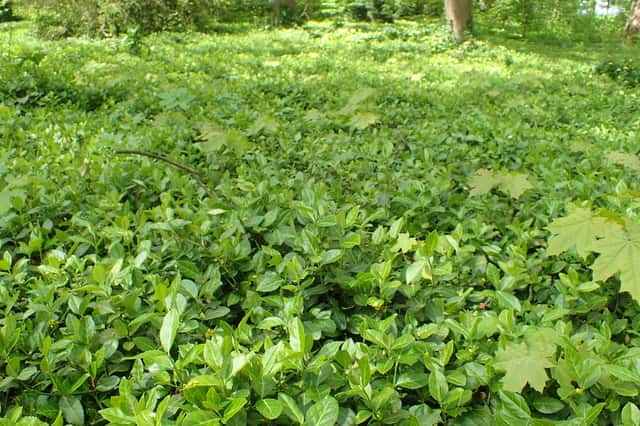
Wintercreeper (Euonymus fortunei) is a easy-care plant from the Celastraceae family. Euonymus fortunei, commonly known as Wintercreeper or Fortune's Spindle, is an evergreen woody vine and groundcover native to East Asia (China, Korea, and Japan). Highly adaptable, it can climb walls and trees up to 10 meters tall or spread as a dense, low groundcover. Its leathery, glossy leaves re...
Wintercreeper grows up to 9.8m, spread of 300cm, watering every 10 days, -20°C – 35°C, 40–70% humidity. It is suitable for indoor environments and not safe for pets.
Unlike many tropical plants, Wintercreeper tolerates watering mistakes. Best for beginners. Without precautions, ingestion can cause irritation in pets. Keep out of reach of cats and dogs. Without adequate drainage, root rot can develop within 20 days.
How to Care for Wintercreeper?
TLDR: Wintercreeper needs Partial shade, watering every 10 days, and temperatures between -20-35°C with 40-70% humidity.
How Often Should You Water Wintercreeper?
Water every 10 days, allowing the soil to dry slightly between waterings. Once established, tolerates drought periods well. Avoid waterlogging — excess moisture promotes root rot. In containers, always check soil moisture before watering.
How Much Light Does Wintercreeper Need?
Grows well in full sun to partial shade. Variegated cultivars show the most vibrant colors with more sunlight. Tolerates deep shade but growth slows and foliage color diminishes. Avoid intense direct sun in very hot climates.
What Is the Best Soil for Wintercreeper?
Prefers well-drained soil but adapts to clay, sandy, or rocky types. Tolerates a wide pH range (6.0–8.0), including alkaline and chalky soils. Amend with organic compost at planting. Never allow the soil to become waterlogged.
What Pot Should You Use for Wintercreeper?
Terracotta or ceramic pot with drainage holes for indoor growing. For outdoor use as groundcover or climber, direct planting in the garden is ideal.
Care Schedule
Fertilize
Every 60 days
What Is Wintercreeper and Where Does It Come From?
Euonymus fortunei, commonly known as Wintercreeper or Fortune's Spindle, is an evergreen woody vine and groundcover native to East Asia (China, Korea, and Japan). Highly adaptable, it can climb walls and trees up to 10 meters tall or spread as a dense, low groundcover. Its leathery, glossy leaves remain green year-round, with many popular variegated cultivars available. WARNING: All parts of this plant are toxic to humans, cats, and dogs — ingestion can cause cardiac and gastrointestinal problems.
How to Propagate Wintercreeper?
Stem Cutting
Use sterilized pruning shears to prevent disease. Cover with a clear plastic bag to maintain humidity and air out daily to prevent fungal growth.
- 1 Cut a semi-hardwood stem of 10-15 cm with 2-3 healthy nodes
- 2 Remove leaves from the lower third of the cutting
- 3 Dip the cut end in rooting hormone powder
- 4 Plant in moist, well-draining medium (sand + perlite)
- 5 Keep in bright indirect light with high humidity for 3-4 weeks
Materials needed:
Ground Layering
Best suited for established climbing plants with long flexible stems. Do not separate from the parent plant until rooting is complete.
- 1 Select a long, flexible stem still attached to the parent plant
- 2 Make a small shallow cut on the underside of the stem at the burial point
- 3 Bury the marked section 5 cm deep, securing with a wire pin or stone
- 4 Keep the soil moist until rooting occurs (4-6 weeks)
- 5 Sever from the parent plant after roots are confirmed and transplant
Materials needed:
How Big Does Wintercreeper Grow?
TLDR: Wintercreeper can reach up to 9.8m tall with Fast growth rate.
Max height
9.8m
Spread
3.0m
Growth rate
Fast
Foliage
Evergreen
Warning: Toxic Plant
This plant can be toxic if ingested. Keep out of reach of:
Plant Uses
Ornamental
Great for decoration
Ground Cover
Soil coverage
Is your plant showing symptoms?
Click on the symptom to discover possible causes:
What Diseases Commonly Affect Wintercreeper?
TLDR: Wintercreeper is susceptible to 8 known diseases. Monitor regularly for early detection.
Powdery Mildew
Powdery mildew is a common fungal disease caused by various fungi species including Erysiphe, Podosphaera, Oïdium, and Leveillula. It affects over 10,000 plant species worldwide. The disease thrives in warm, dry climates with high humidity and appears as a distinctive white powdery coating on plant surfaces.
Scale Insects
Scale insects are small sap-sucking pests that appear as brown, shell-like bumps on plant stems and leaves. There are over 25 species, divided into armored (hard) and unarmored (soft) scales. They feed by piercing plant tissue and extracting sap, which weakens the plant and can lead to yellowing, stunted growth, and even death if left untreated. They also excrete honeydew, which attracts ants and promotes sooty mold growth.
Anthracnose
Anthracnose is a fungal disease caused by fungi in the genus Colletotrichum that affects many plants, including vegetables, fruits, and trees. The disease thrives in cool, wet conditions, causing dark, sunken lesions on leaves, stems, flowers, and fruits.
Cercospora Leaf Spot
Cercospora leaf spot is a common fungal disease caused by Cercospora species that affects many plant types, particularly beets, roses, and leafy vegetables. The disease thrives in warm, humid conditions and can cause significant defoliation, reducing plant vigor and yield. It spreads rapidly through water splash, wind, and contaminated tools.
Meaning & Symbolism
In East Asian tradition, euonymus symbolizes resilience, protection, and longevity, often planted as a guardian shrub in garden borders.
Fun Facts
In the wild, Euonymus fortunei can climb trees and walls reaching up to 10 meters in height.
It is one of the few ornamental plants that thrives in both full sun and deep shade.
The orange berries of Wintercreeper are decorative but highly toxic — they contain cardiac glycosides similar to those found in foxglove.
Cultivated in China for centuries, it was used in imperial gardens as a symbol of protection and permanence.
Frequently asked questions
Is Wintercreeper toxic to cats and dogs?
How often should I water Wintercreeper?
Can Wintercreeper be grown in containers?
How do I control powdery mildew on Euonymus?
Is Wintercreeper invasive?
Compare with similar plants
| Attribute | Difficulty | Light | Watering | Pet Safe |
|---|---|---|---|---|
| Field Maple | Easy | Bright indirect | 14d | ✓ |
| Silver Birch | Easy | Direct sun | 14d | ✓ |
| Common Blanketflower | Easy | Direct sun | 10d | ✓ |
| Cushion Bush | Easy | Direct sun | 14d | ✓ |





