Apocynaceae
How to Grow and Care for Stapelia gigantea (Zulu Giant)
Stapelia gigantea
A low-maintenance succulent that thrives on neglect. Water sparingly every 10–14 days in summer, almost none in winter. Needs bright light and excellent drainage. Avoid any overwatering — root rot is its main enemy.
Every 14 days
Bright indirect
4° - 38°C
30% - 50%
Categories
What is Zulu Giant?
Zulu Giant (Stapelia gigantea) is a easy-care plant from the Apocynaceae family. Stapelia gigantea, commonly known as the Zulu Giant or Carrion Flower, is a striking succulent native to South Africa. It produces enormous star-shaped flowers up to 30 cm across with a distinctive reddish-maroon and cream pattern. The flowers emit a carrion-like odor to attract flies for pollinatio...
Zulu Giant grows up to 25cm, spread of 60cm, watering every 14 days, 4°C – 38°C, 30–50% humidity. It is suitable for indoor environments and safe for pets.
Unlike many tropical plants, Zulu Giant tolerates watering mistakes. Best for beginners. Unlike many popular species, Zulu Giant is safe to keep around pets. Without adequate drainage, root rot can develop within 28 days.
How to Care for Zulu Giant?
TLDR: Zulu Giant needs Bright indirect, watering every 14 days, and temperatures between 4-38°C with 30-50% humidity.
How Often Should You Water Zulu Giant?
Water deeply every 10–14 days during the growing season (spring–fall), allowing soil to dry completely between waterings. Reduce to once a month or less in winter. Never let roots sit in water.
How Much Light Does Zulu Giant Need?
Provide bright indirect to direct morning sunlight. Place near a south- or east-facing window indoors. Outdoors, partial shade from intense afternoon sun is beneficial. More sun encourages the reddish stem coloration and flowering.
What Is the Best Soil for Zulu Giant?
Use a well-draining cactus or succulent mix. Enhance drainage with coarse sand or perlite. Always use pots with drainage holes. Terracotta pots are ideal as they wick away excess moisture.
What Pot Should You Use for Zulu Giant?
Terracotta pots with drainage holes are strongly recommended. The porous material helps prevent overwatering and root rot, which is this plant's biggest threat.
Care Schedule
Fertilize
Every 30 days
What Is Zulu Giant and Where Does It Come From?
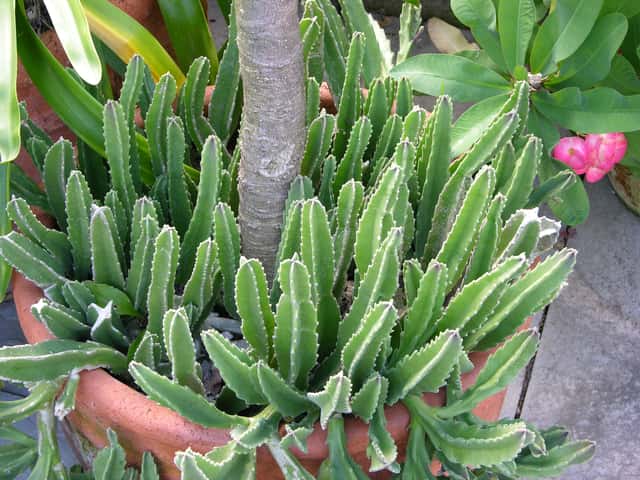
Stapelia gigantea, commonly known as the Zulu Giant or Carrion Flower, is a striking succulent native to South Africa. It produces enormous star-shaped flowers up to 30 cm across with a distinctive reddish-maroon and cream pattern. The flowers emit a carrion-like odor to attract flies for pollination. Its leafless, ribbed succulent stems grow in dense clumps and turn reddish-purple in bright sunlight.
How to Propagate Zulu Giant?
Stem Cutting
Let the cutting dry thoroughly before planting to prevent rot. Do not mist or cover.
- 1 Cut a healthy stem 8–10 cm long using clean, sharp scissors
- 2 Allow the cut end to callous and dry for 3–5 days in a shaded spot
- 3 Plant in dry, well-draining cactus mix
- 4 Do not water for the first week; then water sparingly
Materials needed:
How Big Does Zulu Giant Grow?
TLDR: Zulu Giant can reach up to 25cm tall with Fast growth rate.
Max height
25cm
Spread
60cm
Growth rate
Fast
Foliage
Evergreen
Warning: Toxic Plant
This plant can be toxic if ingested. Keep out of reach of:
Plant Uses
Ornamental
Great for decoration
Medicinal
Medicinal properties
Medicinal Uses
- Traditionally used as an emetic and analgesic in some South African folk medicine practices
Is your plant showing symptoms?
Click on the symptom to discover possible causes:
What Diseases Commonly Affect Zulu Giant?
TLDR: Zulu Giant is susceptible to 4 known diseases. Monitor regularly for early detection.
Root Rot
Root rot is a serious fungal disease that affects the root system of plants, causing them to decay and die. It is primarily caused by overwatering, poor drainage, or soil-borne fungi such as Pythium, Phytophthora, Rhizoctonia, and Fusarium. The disease thrives in waterlogged conditions where roots are deprived of oxygen, making them susceptible to fungal infection.
Powdery Mildew
Powdery mildew is a common fungal disease caused by various fungi species including Erysiphe, Podosphaera, Oïdium, and Leveillula. It affects over 10,000 plant species worldwide. The disease thrives in warm, dry climates with high humidity and appears as a distinctive white powdery coating on plant surfaces.
Mealybugs
Mealybugs are small, soft-bodied insects covered with a white, waxy, cottony material. They are common pests of houseplants and outdoor plants in mild climates. These sap-sucking insects feed on plant tissue, causing damage, stunted growth, and can lead to plant death if left untreated. They produce sticky honeydew which attracts sooty mold.
Bacterial Soft Rot
Bacterial soft rot is a destructive plant disease caused primarily by bacteria from the genera Pectobacterium (formerly Erwinia) and Dickeya. These bacteria produce enzymes that break down plant cell walls, causing rapid and foul-smelling tissue decomposition. It mainly affects succulent tissues such as tubers, fruits, stems, and bulbs, being especially problematic in warm and humid conditions.
Meaning & Symbolism
In South Africa, the Stapelia symbolizes resilience and the ability to thrive in adversity — blooming spectacularly even in harsh, arid conditions.
Fun Facts
The flowers can reach up to 30 cm (12 inches) in diameter — among the largest of any succulent
The carrion odor attracts real blowflies, which sometimes lay eggs on the flower thinking it is meat
Native to the semi-arid regions of South Africa, Namibia, and Zimbabwe
The reddish-purple stem color is actually a sign of stress from sun exposure — and it looks beautiful
Frequently asked questions
How often should I water Stapelia gigantea?
Why does Stapelia gigantea smell bad?
Is Stapelia gigantea toxic to pets?
How do I get my Stapelia gigantea to flower?
Why are my Stapelia stems turning yellow or mushy?
Compare with similar plants
| Attribute | Difficulty | Light | Watering | Pet Safe |
|---|---|---|---|---|
| Field Maple | Easy | Bright indirect | 14d | ✓ |
| Silver Birch | Easy | Direct sun | 14d | ✓ |
| Common Blanketflower | Easy | Direct sun | 10d | ✓ |
| Cushion Bush | Easy | Direct sun | 14d | ✓ |





