Japanese Crape Myrtle with Falling Leaves: Pet-Safe Treatment
Lagerstroemia fauriei
Japanese Crape Myrtle is a plant that needs bright light and infrequent watering. When showing falling leaves, it may indicate issues related to its environment or care.
Is your Japanese Crape Myrtle showing falling leaves? Discover 3 possible causes and how to treat them.
🔍 Possible Causes (3)
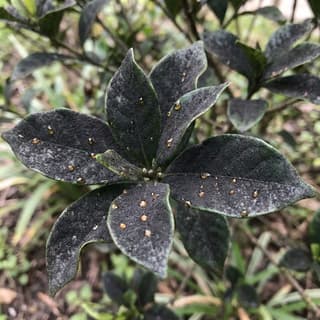
Sooty Mold
Sooty mold is a fungal disease that develops on surfaces coated with honeydew, a sticky sweet substance secreted by sap-sucking insects like aphids, scale insects, and whiteflies. While it does not directly infect plant tissue, it reduces photosynthetic capacity by blocking sunlight and diminishes the plant's aesthetic appearance.
✓ Related symptoms:
- • Yellowing or premature leaf drop due to reduced light
⚡ Quick Fixes:
Immediate physical removal
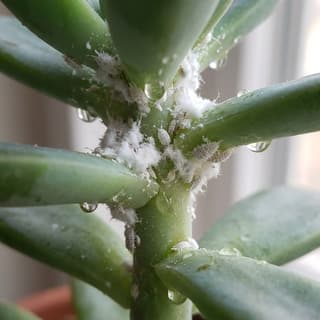
Mealybugs
Mealybugs are small, soft-bodied insects covered with a white, waxy, cottony material. They are common pests of houseplants and outdoor plants in mild climates. These sap-sucking insects feed on plant tissue, causing damage, stunted growth, and can lead to plant death if left untreated. They produce sticky honeydew which attracts sooty mold.
✓ Related symptoms:
- • Leaf drop and defoliation
⚡ Quick Fixes:
Step 1
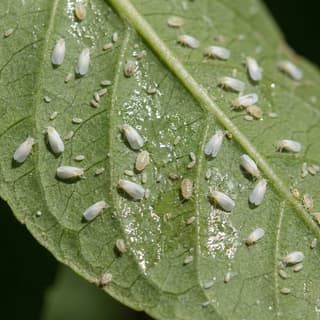
Whiteflies
Whiteflies are small, soft-bodied, winged insects closely related to aphids and mealybugs. They are moth-like in appearance, about 1/16 inch long, triangular in shape, and gray-white in color. These sap-sucking pests feed on plant tissue, causing yellowing, stunted growth, and wilting. They also excrete honeydew, which attracts ants and promotes sooty mold growth. Whiteflies can transmit serious plant viruses.
✓ Related symptoms:
- • Leaf drop in severe infestations
⚡ Quick Fixes:
Step 1