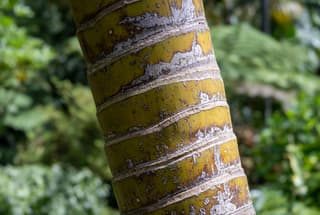
Areca Palm with Wilting Leaves: Causes and Solutions
Dypsis lutescens
Is your Areca Palm showing wilting leaves? Discover 10 possible causes and how to treat them.
🔍 Possible Causes (10)
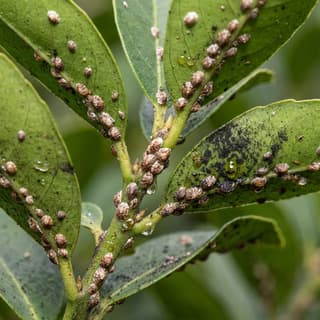
Scale Insects
Scale insects are small sap-sucking pests that appear as brown, shell-like bumps on plant stems and leaves. There are over 25 species, divided into armored (hard) and unarmored (soft) scales. They feed by piercing plant tissue and extracting sap, which weakens the plant and can lead to yellowing, stunted growth, and even death if left untreated. They also excrete honeydew, which attracts ants and promotes sooty mold growth.
✓ Related symptoms:
- • Drooping or wilting leaves
⚡ Quick Fixes:
Step 1
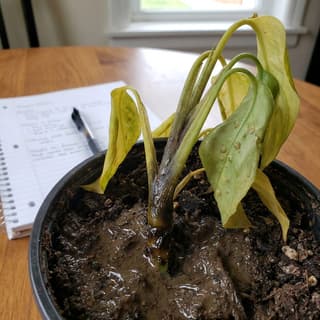
Overwatering
Overwatering occurs when plants receive too much water, depriving roots of oxygen and causing root rot. This environmental stress is one of the most common causes of houseplant death, as waterlogged soil prevents roots from breathing and functioning properly.
✓ Related symptoms:
- • Yellow or brown limp, droopy leaves that feel soft and mushy
- • Wilting despite wet soil
⚡ Quick Fixes:
Step 1
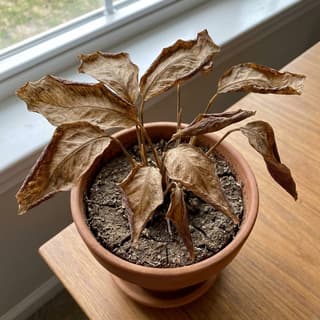
Low Humidity Stress
Low humidity stress occurs when indoor air becomes too dry, causing plants to lose moisture faster than they can absorb it through their roots. This is especially common during winter heating periods, near radiators and heating vents, or in air-conditioned spaces. Tropical plants are particularly susceptible to low humidity damage.
✓ Related symptoms:
- • Drooping or wilting leaves despite adequate soil moisture
⚡ Quick Fixes:
Step 1
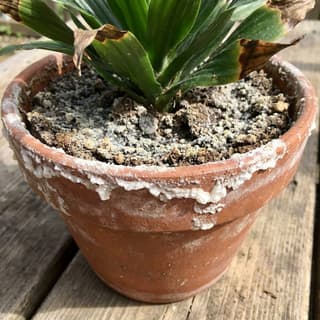
Salt Buildup
Salt buildup (also called salt accumulation or fertilizer salt deposits) is an environmental condition where mineral salts accumulate in the soil over time, creating a toxic environment for plant roots. The most visible sign is a white or yellowish crusty layer on the soil surface or around pot edges.
✓ Related symptoms:
- • Wilting despite adequate watering
⚡ Quick Fixes:
Step 1

Root Rot
Root rot is a serious fungal disease that affects the root system of plants, causing them to decay and die. It is primarily caused by overwatering, poor drainage, or soil-borne fungi such as Pythium, Phytophthora, Rhizoctonia, and Fusarium. The disease thrives in waterlogged conditions where roots are deprived of oxygen, making them susceptible to fungal infection.
✓ Related symptoms:
- • Wilting leaves despite moist soil
⚡ Quick Fixes:
Emergency unpotting
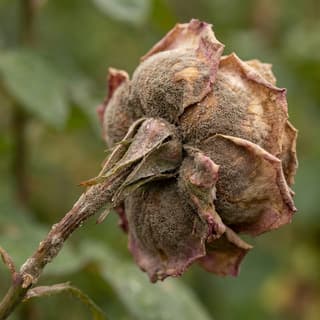
Gray Mold (Botrytis Blight)
Gray mold, caused by the fungus Botrytis cinerea, is one of the most common fungal diseases in plants. It affects over 200 plant species, including ornamentals, vegetables, fruits, and houseplants. The disease thrives in cool, humid conditions with poor air circulation, causing grayish spots and soft rot on infected tissues.
✓ Related symptoms:
- • Wilting and collapse of affected tissues
⚡ Quick Fixes:
Remove and dispose of all visibly infected parts
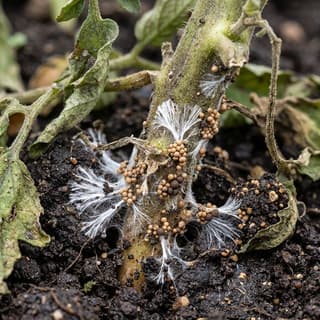
Southern Blight
Southern blight is a devastating soilborne fungal disease caused by Athelia rolfsii (formerly Sclerotium rolfsii), affecting over 500 plant species including vegetables, ornamentals, and fruit crops. The fungus survives in soil through resting structures called sclerotia that resemble mustard seeds and can remain viable for years.
✓ Related symptoms:
- • Sudden and permanent wilting of entire plant within days
⚡ Quick Fixes:
Step 1
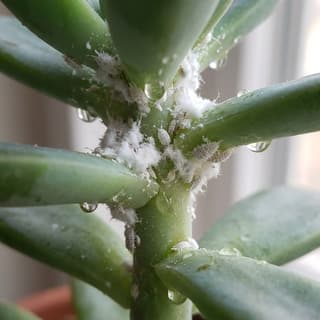
Mealybugs
Mealybugs are small, soft-bodied insects covered with a white, waxy, cottony material. They are common pests of houseplants and outdoor plants in mild climates. These sap-sucking insects feed on plant tissue, causing damage, stunted growth, and can lead to plant death if left untreated. They produce sticky honeydew which attracts sooty mold.
✓ Related symptoms:
- • Yellowing or wilting leaves
⚡ Quick Fixes:
Step 1
Underwatering
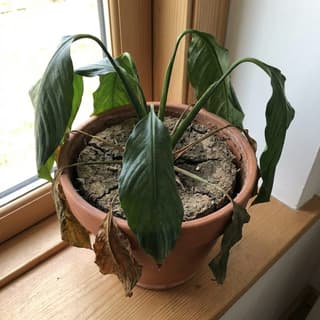
Underwatering or drought stress is a physiological disorder that occurs when the amount of water a plant loses through transpiration exceeds the amount its roots can absorb from the soil. This leads to cellular dehydration and various visible symptoms that can compromise plant health and productivity.
✓ Related symptoms:
- • Wilting leaves that feel dry and crispy to touch
⚡ Quick Fixes:
Step 1
Chemical Burn
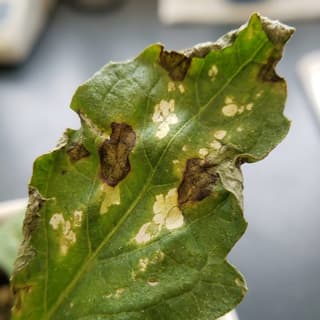
Chemical burn (phytotoxicity) occurs when plants are damaged by misapplication or misuse of pesticides, herbicides, fertilizers, or other chemicals. Environmental conditions like high temperatures, humidity, and plant stress increase vulnerability. Unlike diseases, chemical damage is not contagious but can severely harm or kill plants if not addressed promptly.
✓ Related symptoms:
- • Wilting despite adequate watering
⚡ Quick Fixes:
Step 1