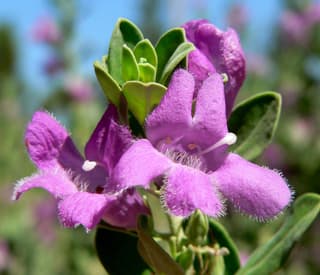
Texas Sage with Root Rot: Pet-Safe Treatment
Leucophyllum frutescens
Texas Sage is a plant that needs bright light and infrequent watering. When showing root rot, it may indicate issues related to its environment or care.
Is your Texas Sage showing root rot? Discover 2 possible causes and how to treat them.
🔍 Possible Causes (2)

Root Rot
Root rot is a serious fungal disease that affects the root system of plants, causing them to decay and die. It is primarily caused by overwatering, poor drainage, or soil-borne fungi such as Pythium, Phytophthora, Rhizoctonia, and Fusarium. The disease thrives in waterlogged conditions where roots are deprived of oxygen, making them susceptible to fungal infection.
✓ Related symptoms:
- • Foul, rotting odor from the root zone
⚡ Quick Fixes:
Emergency unpotting
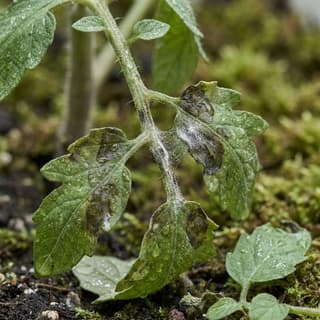
Phytophthora Blight
Devastating fungal disease caused by Phytophthora species (primarily P. capsici and P. infestans), famously responsible for the Irish Potato Famine in the 1840s. Affects all plant parts including roots, stems, leaves, and fruits in warm, wet conditions. The pathogen is technically an oomycete (water mold) that thrives in saturated soils and can survive in soil for 5+ years.
✓ Related symptoms:
- • Soft, water-soaked rot on fruit
- • Buckeye rot on tomatoes with concentric target-like pattern
⚡ Quick Fixes:
Immediately apply systemic fungicide (mefenoxam) as soil drench