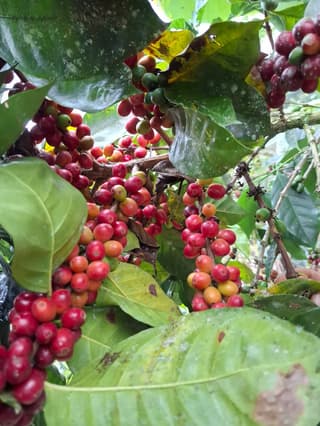
Coffee Plant with Falling Leaves: Causes & Solutions
Coffea arabica
Coffee Plant is a plant that needs indirect light and moderate watering. When showing falling leaves, it may indicate issues related to its environment or care.
Is your Coffee Plant showing falling leaves? Discover 11 possible causes and how to treat them.
🔍 Possible Causes (11)
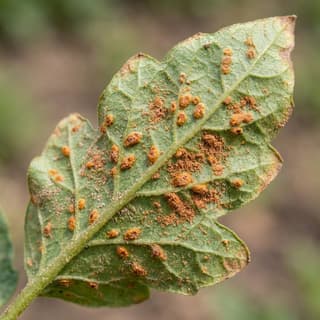
Rust
Rust is a common fungal disease caused by fungi in the order Pucciniales that affects a wide variety of plants. The disease gets its name from the characteristic orange, yellow, or reddish-brown pustules that appear on leaves, resembling metal rust. This obligate fungal parasite requires living plants to survive and can cause significant economic losses in agricultural crops.
✓ Related symptoms:
- • Premature yellowing and leaf drop
⚡ Quick Fixes:
Immediate Pruning
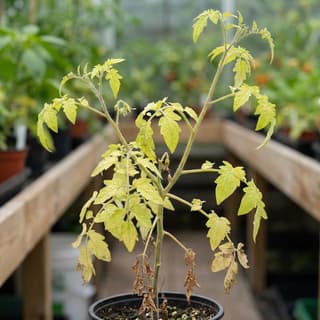
Nitrogen Deficiency
Nitrogen deficiency occurs when plants lack sufficient nitrogen, an essential macronutrient needed for chlorophyll production and overall growth. This deficiency typically manifests as yellowing leaves, starting with older foliage and progressing to newer growth if left untreated.
✓ Related symptoms:
- • Premature leaf drop in severe cases
⚡ Quick Fixes:
Step 1
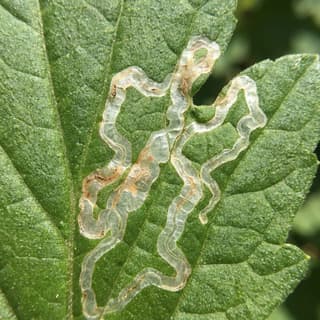
Leafminers
Leafminers are the larvae of various insects including flies, moths, sawflies, and beetles that tunnel between leaf surfaces, creating distinctive serpentine trails or blotchy patches. While primarily cosmetic, severe infestations can weaken plants by reducing photosynthesis capacity and making them susceptible to secondary infections.
✓ Related symptoms:
- • Leaf yellowing and premature drop
⚡ Quick Fixes:
Step 1
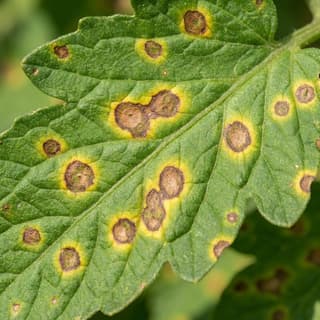
Leaf Spot
Leaf spot is a common fungal disease caused by various pathogens including Alternaria, Ascochyta, Colletotrichum, Septoria, and Venturia. It primarily affects leaves, causing discolored spots that can lead to premature leaf drop if left untreated.
✓ Related symptoms:
- • Heavily infected leaves may brown completely and drop prematurely
⚡ Quick Fixes:
Remove all visibly infected leaves
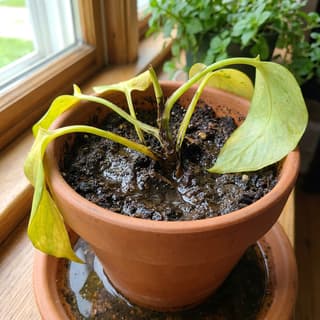
Overwatering
Overwatering occurs when plants receive too much water, depriving roots of oxygen and causing root rot. This environmental stress is one of the most common causes of houseplant death, as waterlogged soil prevents roots from breathing and functioning properly.
✓ Related symptoms:
- • Dropping leaves (both old and new) that may be green, brown, or yellow
⚡ Quick Fixes:
Step 1
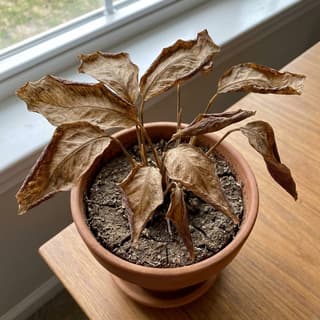
Low Humidity Stress
Low humidity stress occurs when indoor air becomes too dry, causing plants to lose moisture faster than they can absorb it through their roots. This is especially common during winter heating periods, near radiators and heating vents, or in air-conditioned spaces. Tropical plants are particularly susceptible to low humidity damage.
✓ Related symptoms:
- • Premature leaf drop, especially on tropical species
⚡ Quick Fixes:
Step 1
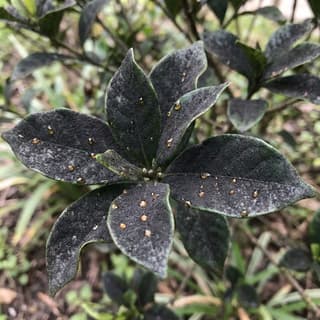
Sooty Mold
Sooty mold is a fungal disease that develops on surfaces coated with honeydew, a sticky sweet substance secreted by sap-sucking insects like aphids, scale insects, and whiteflies. While it does not directly infect plant tissue, it reduces photosynthetic capacity by blocking sunlight and diminishes the plant's aesthetic appearance.
✓ Related symptoms:
- • Yellowing or premature leaf drop due to reduced light
⚡ Quick Fixes:
Immediate physical removal

Root Rot
Root rot is a serious fungal disease that affects the root system of plants, causing them to decay and die. It is primarily caused by overwatering, poor drainage, or soil-borne fungi such as Pythium, Phytophthora, Rhizoctonia, and Fusarium. The disease thrives in waterlogged conditions where roots are deprived of oxygen, making them susceptible to fungal infection.
✓ Related symptoms:
- • Leaves dropping prematurely
⚡ Quick Fixes:
Emergency unpotting
Mealybugs
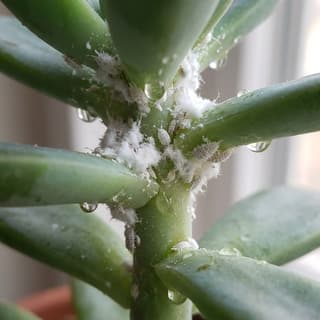
Mealybugs are small, soft-bodied insects covered with a white, waxy, cottony material. They are common pests of houseplants and outdoor plants in mild climates. These sap-sucking insects feed on plant tissue, causing damage, stunted growth, and can lead to plant death if left untreated. They produce sticky honeydew which attracts sooty mold.
✓ Related symptoms:
- • Leaf drop and defoliation
⚡ Quick Fixes:
Step 1
Spider Mites
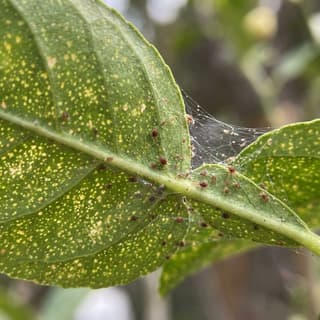
Spider mites are tiny arachnids (less than 1/20 inch long) related to spiders and ticks that feed on plant sap. They thrive in hot, dry conditions and can cause significant damage to ornamental and vegetable plants. During severe infestations, crop losses can reach 14% or higher as these pests disrupt vital plant processes including photosynthesis, carbon dioxide absorption, and transpiration.
✓ Related symptoms:
- • Premature leaf drop and potential plant death
⚡ Quick Fixes:
Step 1
Whiteflies
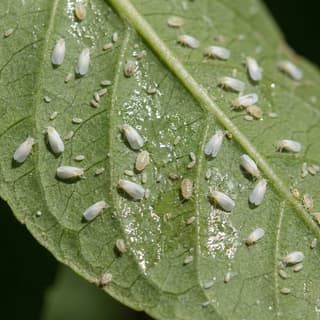
Whiteflies are small, soft-bodied, winged insects closely related to aphids and mealybugs. They are moth-like in appearance, about 1/16 inch long, triangular in shape, and gray-white in color. These sap-sucking pests feed on plant tissue, causing yellowing, stunted growth, and wilting. They also excrete honeydew, which attracts ants and promotes sooty mold growth. Whiteflies can transmit serious plant viruses.
✓ Related symptoms:
- • Leaf drop in severe infestations
⚡ Quick Fixes:
Step 1