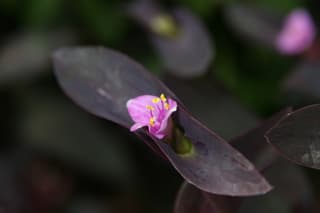
Purple Heart with Leaf Spots: Causes & Solutions
Tradescantia pallida
Purple Heart is a plant that needs bright light and moderate watering. When showing leaf spots, it may indicate issues related to its environment or care.
Is your Purple Heart showing leaf spots? Discover 5 possible causes and how to treat them.
🔍 Possible Causes (5)
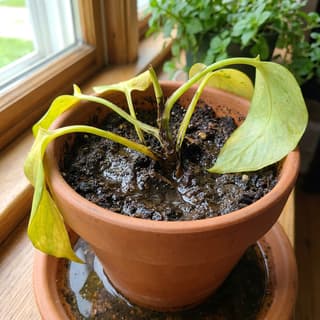
Overwatering
Overwatering occurs when plants receive too much water, depriving roots of oxygen and causing root rot. This environmental stress is one of the most common causes of houseplant death, as waterlogged soil prevents roots from breathing and functioning properly.
✓ Related symptoms:
- • Brown spots or edges with yellow halos on leaves (bacterial infection)
⚡ Quick Fixes:
Step 1
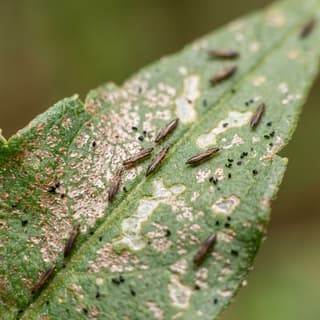
Thrips
Thrips are tiny cigar-shaped insects (1/25-inch long) that damage plants by sucking plant juices and scraping at fruits, flowers, and leaves. With over 6,000 species and rapid reproduction (lifecycle as short as 14 days), they can quickly infest plants and transmit viruses like tomato spotted wilt virus.
✓ Related symptoms:
- • Black spots on foliage from thrips excrement
⚡ Quick Fixes:
Step 1
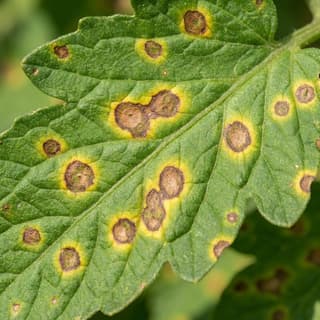
Leaf Spot
Leaf spot is a common fungal disease caused by various pathogens including Alternaria, Ascochyta, Colletotrichum, Septoria, and Venturia. It primarily affects leaves, causing discolored spots that can lead to premature leaf drop if left untreated.
✓ Related symptoms:
- • Circular brown, gray, black, or yellow spots on leaves
- • Spots with concentric rings or dark margins
- • Yellow halo surrounding spots
⚡ Quick Fixes:
Remove all visibly infected leaves
Spider Mites
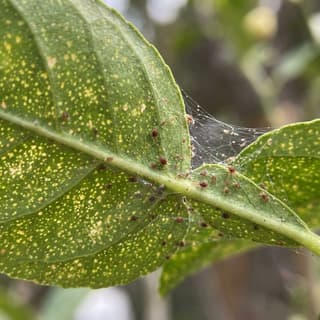
Spider mites are tiny arachnids (less than 1/20 inch long) related to spiders and ticks that feed on plant sap. They thrive in hot, dry conditions and can cause significant damage to ornamental and vegetable plants. During severe infestations, crop losses can reach 14% or higher as these pests disrupt vital plant processes including photosynthesis, carbon dioxide absorption, and transpiration.
✓ Related symptoms:
- • Pale discoloration spots on leaves
⚡ Quick Fixes:
Step 1
Gray Mold (Botrytis Blight)
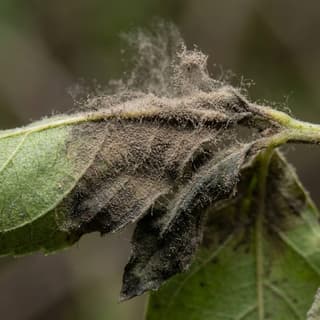
Gray mold, caused by the fungus Botrytis cinerea, is a widespread necrotrophic pathogen affecting over 1,400 plant species. It thrives in cool, humid conditions and attacks weakened or aging plant tissues, causing soft rot and characteristic gray fuzzy growth.
✓ Related symptoms:
- • Soft, water-soaked brown lesions that rapidly expand
- • Ghost spots on fruits - small whitish rings from aborted infections
⚡ Quick Fixes:
Step 1