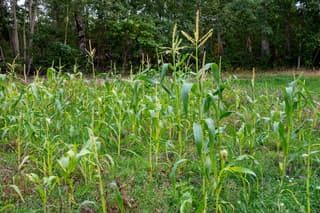
Corn with Leaf Spots: Pet-Safe Treatment
Zea mays
Corn is a plant that needs bright light and moderate watering. When showing leaf spots, it may indicate issues related to its environment or care.
Is your Corn showing leaf spots? Discover 9 possible causes and how to treat them.
🔍 Possible Causes (9)
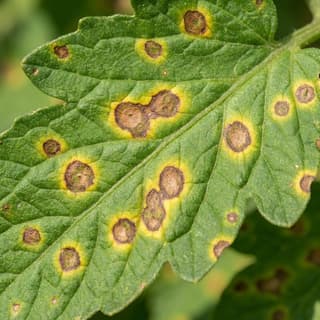
Leaf Spot
Leaf spot is a common fungal disease caused by various pathogens including Alternaria, Ascochyta, Colletotrichum, Septoria, and Venturia. It primarily affects leaves, causing discolored spots that can lead to premature leaf drop if left untreated.
✓ Related symptoms:
- • Circular brown, gray, black, or yellow spots on leaves
- • Spots with concentric rings or dark margins
- • Yellow halo surrounding spots
⚡ Quick Fixes:
Remove all visibly infected leaves
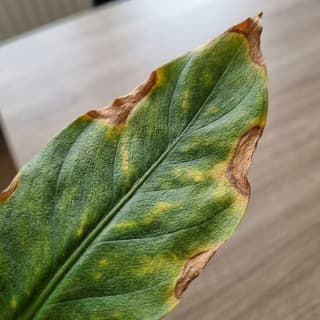
Potassium Deficiency
Potassium deficiency is a nutritional disorder that affects a plant's ability to regulate stomatal opening and closing, resulting in characteristic leaf edge burn. Potassium is a mobile nutrient, so symptoms first appear on older, lower leaves.
✓ Related symptoms:
- • Purple spots on leaf undersides
⚡ Quick Fixes:
Step 1
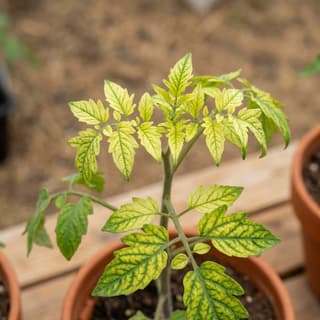
Zinc Deficiency
Zinc deficiency is a common nutrient disorder that affects plant growth and development. Zinc is an essential micronutrient required for enzyme function, chlorophyll formation, and protein synthesis. Without adequate zinc, plants exhibit characteristic symptoms including interveinal chlorosis, stunted growth, and deformed leaves.
✓ Related symptoms:
- • Necrotic spots appearing on older leaves
⚡ Quick Fixes:
Step 1
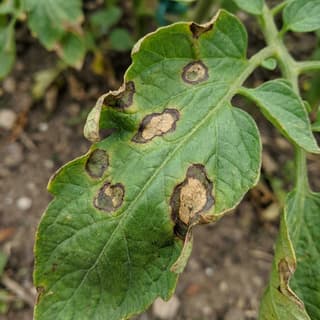
Anthracnose
Anthracnose is a fungal disease caused by fungi in the genus Colletotrichum that affects many plants, including vegetables, fruits, and trees. The disease thrives in cool, wet conditions, causing dark, sunken lesions on leaves, stems, flowers, and fruits.
✓ Related symptoms:
- • Small irregular yellow or brown spots on leaves
- • Dark sunken lesions on leaves, stems, flowers and fruits
- • Water-soaked lesions that darken as they age
⚡ Quick Fixes:
Remove and discard all visibly infected parts
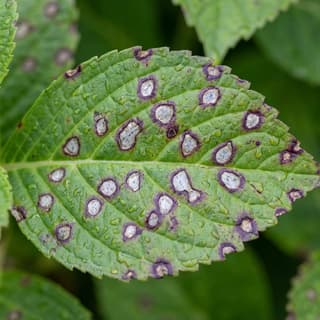
Cercospora Leaf Spot
Cercospora leaf spot is a common fungal disease caused by Cercospora species that affects many plant types, particularly beets, roses, and leafy vegetables. The disease thrives in warm, humid conditions and can cause significant defoliation, reducing plant vigor and yield. It spreads rapidly through water splash, wind, and contaminated tools.
✓ Related symptoms:
- • Small circular spots (0.02-0.2 inch) on leaves
- • Spots coalesce into larger necrotic lesions
⚡ Quick Fixes:
Step 1
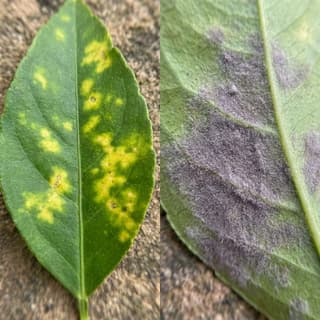
Downy Mildew
Downy mildew is a fungal-like disease caused by oomycetes (water molds) that thrives in cool, wet conditions. It affects a wide range of plants, causing yellowing leaves with fuzzy white-gray growth underneath, leading to defoliation and reduced yields if left untreated.
✓ Related symptoms:
- • Small green or yellow translucent spots on leaves
⚡ Quick Fixes:
Remove and destroy all infected plant parts. For severe infections, remove entire plant.
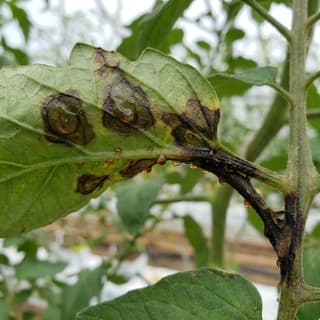
Bacterial Blight
Bacterial blight is a serious plant disease caused by pathogenic bacteria that enters plants through wounds or natural openings. It spreads rapidly in warm, wet conditions and can cause significant damage to leaves, stems, and flowers. The bacteria are transmitted by water splash, contaminated tools, and insects.
✓ Related symptoms:
- • Small water-soaked spots on upper leaf surfaces
- • Spots enlarge and turn brown to black
- • Yellow halos surrounding lesions
⚡ Quick Fixes:
Step 1
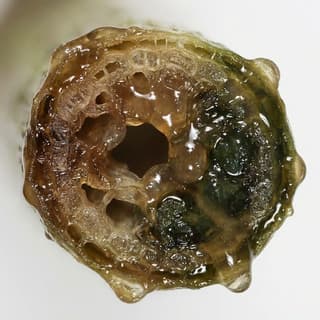
Bacterial Soft Rot
Bacterial soft rot is a destructive plant disease caused primarily by bacteria from the genera Pectobacterium (formerly Erwinia) and Dickeya. These bacteria produce enzymes that break down plant cell walls, causing rapid and foul-smelling tissue decomposition. It mainly affects succulent tissues such as tubers, fruits, stems, and bulbs, being especially problematic in warm and humid conditions.
✓ Related symptoms:
- • Water-soaked spots that progressively enlarge
- • Sunken lesions that expand rapidly
⚡ Quick Fixes:
Immediate Action - Isolation
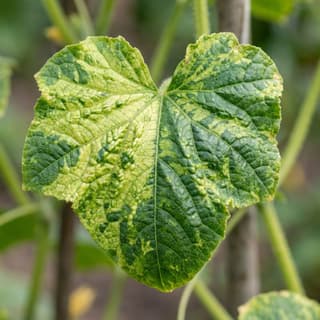
Mosaic Virus
Mosaic virus is a group of plant viruses that cause mottled, patchy patterns on leaves and can affect a wide variety of plants. The virus creates characteristic yellow, white, and green mosaic patterns, often accompanied by stunted growth and deformed plant parts. This highly contagious disease spreads rapidly through insect vectors and contaminated tools.
✓ Related symptoms:
- • Ringspots or mottled coloration on fruit
⚡ Quick Fixes:
Step 1