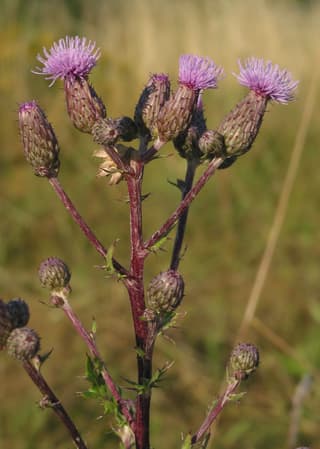
Creeping Thistle with Falling Leaves: Pet-Safe Treatment
Cirsium arvense
Creeping Thistle is a plant that needs bright light and infrequent watering. When showing falling leaves, it may indicate issues related to its environment or care.
Is your Creeping Thistle showing falling leaves? Discover 3 possible causes and how to treat them.
🔍 Possible Causes (3)
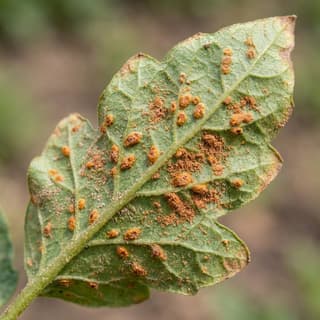
Rust
Rust is a common fungal disease caused by fungi in the order Pucciniales that affects a wide variety of plants. The disease gets its name from the characteristic orange, yellow, or reddish-brown pustules that appear on leaves, resembling metal rust. This obligate fungal parasite requires living plants to survive and can cause significant economic losses in agricultural crops.
✓ Related symptoms:
- • Premature yellowing and leaf drop
⚡ Quick Fixes:
Immediate Pruning
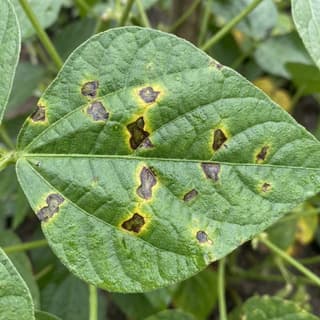
Bacterial Leaf Spot
Bacterial leaf spot is a plant disease caused by bacteria in the Xanthomonas and Pseudomonas genera that affects various ornamental and edible plants. The bacteria infect leaves through wounds or natural openings, causing characteristic lesions that can lead to premature leaf drop and plant weakening.
✓ Related symptoms:
- • Premature leaf drop
⚡ Quick Fixes:
Remove infected leaves
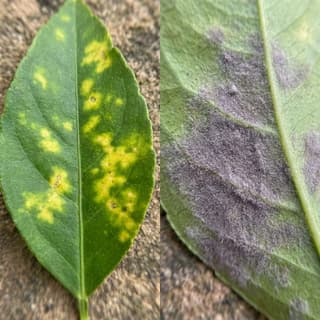
Downy Mildew
Downy mildew is a fungal-like disease caused by oomycetes (water molds) that thrives in cool, wet conditions. It affects a wide range of plants, causing yellowing leaves with fuzzy white-gray growth underneath, leading to defoliation and reduced yields if left untreated.
✓ Related symptoms:
- • Premature leaf drop
⚡ Quick Fixes:
Remove and destroy all infected plant parts. For severe infections, remove entire plant.