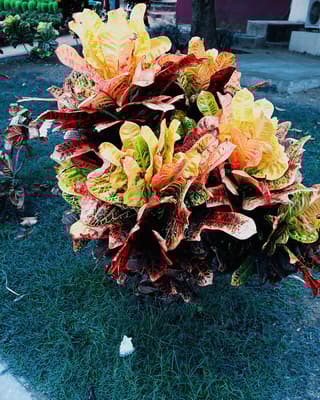
Croton with Wilting Leaves: Causes & Solutions
Croton variegatum
Croton is a plant that needs bright light and moderate watering. When showing wilting leaves, it may indicate issues related to its environment or care.
Is your Croton showing wilting leaves? Discover 10 possible causes and how to treat them.
🔍 Possible Causes (10)
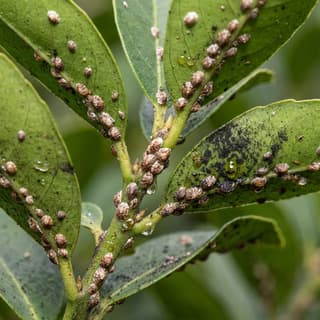
Scale Insects
Scale insects are small sap-sucking pests that appear as brown, shell-like bumps on plant stems and leaves. There are over 25 species, divided into armored (hard) and unarmored (soft) scales. They feed by piercing plant tissue and extracting sap, which weakens the plant and can lead to yellowing, stunted growth, and even death if left untreated. They also excrete honeydew, which attracts ants and promotes sooty mold growth.
✓ Related symptoms:
- • Drooping or wilting leaves
⚡ Quick Fixes:
Step 1
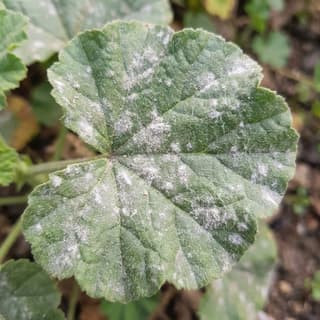
Powdery Mildew
Powdery mildew is a common fungal disease caused by various fungi species including Erysiphe, Podosphaera, Oïdium, and Leveillula. It affects over 10,000 plant species worldwide. The disease thrives in warm, dry climates with high humidity and appears as a distinctive white powdery coating on plant surfaces.
✓ Related symptoms:
- • Early wilting and leaf browning
⚡ Quick Fixes:
Remove heavily infected areas
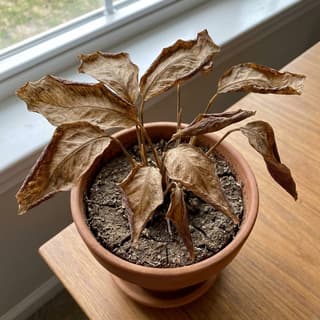
Low Humidity Stress
Low humidity stress occurs when indoor air becomes too dry, causing plants to lose moisture faster than they can absorb it through their roots. This is especially common during winter heating periods, near radiators and heating vents, or in air-conditioned spaces. Tropical plants are particularly susceptible to low humidity damage.
✓ Related symptoms:
- • Drooping or wilting leaves despite adequate soil moisture
⚡ Quick Fixes:
Step 1
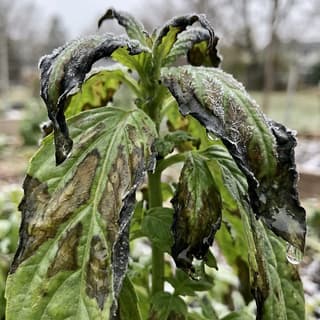
Cold Damage
Cold damage, also known as frost injury, occurs when plants are exposed to freezing or near-freezing temperatures. This environmental stress can cause cellular damage as ice crystals form within plant tissues, rupturing cells and disrupting normal plant functions. Chilling injury can also occur in sensitive species at temperatures between 32-55°F (0-10°C), even without actual freezing.
✓ Related symptoms:
- • Leaves become limp, wilted, and droopy
⚡ Quick Fixes:
Step 1
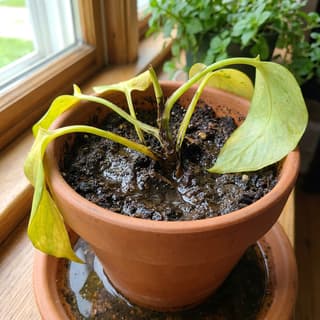
Overwatering
Overwatering occurs when plants receive too much water, depriving roots of oxygen and causing root rot. This environmental stress is one of the most common causes of houseplant death, as waterlogged soil prevents roots from breathing and functioning properly.
✓ Related symptoms:
- • Yellow or brown limp, droopy leaves that feel soft and mushy
- • Wilting despite wet soil
⚡ Quick Fixes:
Step 1
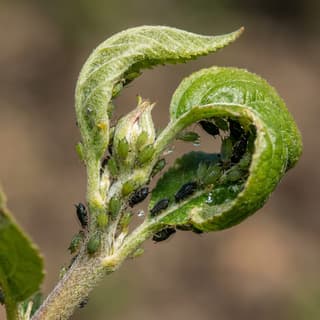
Aphids
Aphids are small, soft-bodied, pear-shaped insects (1/16 to 1/8 inch long) that feed by sucking nutrient-rich sap from plants. They reproduce rapidly and can quickly weaken plants, causing distorted growth and transmitting plant viruses. Aphids come in various colors including green, black, red, yellow, brown, and gray. They secrete honeydew, a sticky substance that attracts ants and encourages sooty mold growth.
✓ Related symptoms:
- • Wilting or weakened plants despite adequate watering
⚡ Quick Fixes:
Step 1
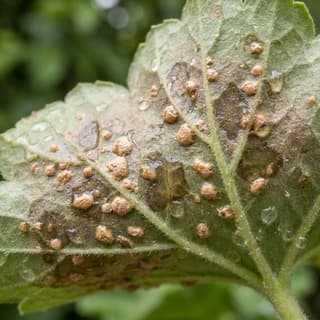
Edema
Edema (also spelled oedema) is a non-infectious physiological disorder caused by an imbalance between water uptake and transpiration. When roots absorb water faster than leaves can release it through transpiration, cells in the leaf tissue swell and burst, forming characteristic wart-like blisters. This is purely a cosmetic issue and does not threaten plant health.
✓ Related symptoms:
- • No yellowing, wilting, or plant decline (distinguishes from disease)
⚡ Quick Fixes:
Step 1
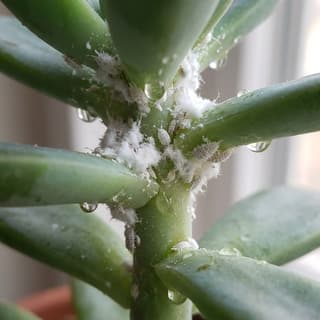
Mealybugs
Mealybugs are small, soft-bodied insects covered with a white, waxy, cottony material. They are common pests of houseplants and outdoor plants in mild climates. These sap-sucking insects feed on plant tissue, causing damage, stunted growth, and can lead to plant death if left untreated. They produce sticky honeydew which attracts sooty mold.
✓ Related symptoms:
- • Yellowing or wilting leaves
⚡ Quick Fixes:
Step 1
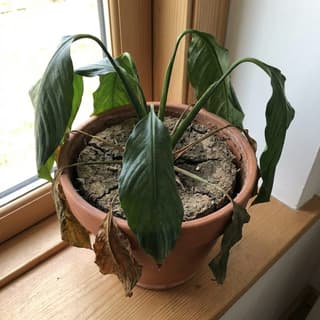
Underwatering
Underwatering or drought stress is a physiological disorder that occurs when the amount of water a plant loses through transpiration exceeds the amount its roots can absorb from the soil. This leads to cellular dehydration and various visible symptoms that can compromise plant health and productivity.
✓ Related symptoms:
- • Wilting leaves that feel dry and crispy to touch
⚡ Quick Fixes:
Step 1
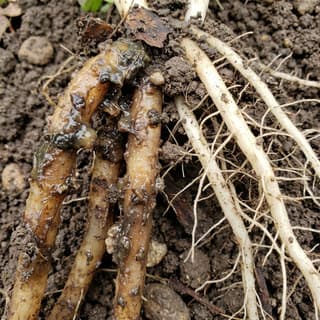
Root Rot
Root rot is a serious fungal disease that affects the root system of plants, causing them to decay and die. It is primarily caused by overwatering, poor drainage, or soil-borne fungi such as Pythium, Phytophthora, Rhizoctonia, and Fusarium. The disease thrives in waterlogged conditions where roots are deprived of oxygen, making them susceptible to fungal infection.
✓ Related symptoms:
- • Wilting leaves despite moist soil
⚡ Quick Fixes:
Emergency unpotting