Beetroot with Bacterial Blight: Prevention & Cure
Beta vulgaris
Bacterial Blight on Beetroot: What to Know?
Bacterial Blight on Beetroot (Beta vulgaris) is a bacterial condition with high severity. Beetroot has moderate susceptibility to this disease. Bacterial blight is a serious plant disease caused by pathogenic bacteria that enters plants through wounds or natural openings. It spreads rapidly in warm, wet conditions and can cause significant da...
Beetroot is a easy-care plant. Recovery from Bacterial Blight takes approximately 21 days with proper treatment.
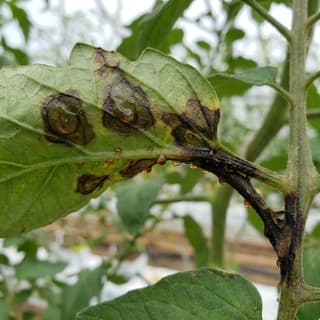
🔍 What Does Bacterial Blight Look Like on Beetroot?
- • Small water-soaked spots on upper leaf surfaces
- • Spots enlarge and turn brown to black
- • Yellow halos surrounding lesions
- • Wilted, blighted appearance of affected parts
- • Bacterial ooze may appear on lesions in humid conditions
- • Premature leaf drop
- • Stem cankers in severe cases
❓ What Causes Bacterial Blight on Beetroot?
- → Bacterial pathogens entering through wounds or stomata
- → Spread by rain splash and overhead watering
- → Contaminated pruning tools
- → Warm temperatures (75-85°F) with high humidity
- → Poor air circulation around plants
- → Insect damage creating entry points
💊 How to Treat Bacterial Blight on Beetroot?
TLDR: Treat Bacterial Blight on Beetroot with quick treatment (~11 days) or organic (~21 days). Beetroot has moderate susceptibility to this disease.
Quick Fixes
Step 1
Remove and destroy all visibly infected plant parts immediately
Step 2
Apply copper hydroxide spray to entire plant, focusing on affected areas
Step 3
Ensure complete coverage of all leaf surfaces and stems
Step 4
Reduce watering frequency and switch to ground-level irrigation
Step 5
Reapply copper spray after 7 days
Step 6
Keep foliage dry by avoiding overhead watering
Step 7
Disinfect tools and improve air circulation around plant
Organic Treatment
Step 1
Prune and remove all infected plant parts, cutting 6 inches below visible symptoms
Step 2
Disinfect all pruning tools with 70% rubbing alcohol between cuts
Step 3
Apply organic copper fungicide (copper sulfate or copper hydroxide) to all plant surfaces
Step 4
Ensure thorough coverage of both upper and lower leaf surfaces
Step 5
Repeat copper spray application every 7 days for 3 weeks
Step 6
Switch to drip irrigation or water at soil level only
Step 7
Apply Bacillus subtilis biological spray as a follow-up treatment
Step 8
Monitor plant daily and remove any new infected growth immediately
🛡️ How to Prevent Bacterial Blight on Beetroot?
TLDR: Prevent Bacterial Blight on Beetroot with 8 essential preventive care practices.
- ✓ Use drip irrigation instead of overhead watering
- ✓ Water early in the day so foliage dries quickly
- ✓ Ensure adequate spacing for air circulation
- ✓ Disinfect pruning tools with 70% alcohol or 10% bleach solution
- ✓ Remove and destroy infected plant material
- ✓ Avoid working with plants when foliage is wet
- ✓ Practice crop rotation in gardens
- ✓ Choose resistant plant varieties when available
🌱 How to Care for Beetroot to Prevent Bacterial Blight?
💧 How to Water
Water every 3 days, keeping the soil moist but never waterlogged. Overwatering causes root rot. During heat waves, increase frequency to every 2 days.
☀️ Lighting
Prefers full sun (6–8 hours per day). In low light, growth slows and roots remain small. Swiss chard tolerates partial shade better than table beet.
🪴 Ideal Soil
Use fertile, loamy soil rich in organic matter with a pH between 6.0 and 7.5. Avoid compacted or heavy clay soils that impede root development.
Frequently asked questions
Can Bacterial Blight kill my Beetroot?
How long does Beetroot take to recover from Bacterial Blight?
Is Bacterial Blight contagious to other plants near Beetroot?
Sources & References
- Copper-based Bactericides and Fungicides | Pacific Northwest Pest Management Handbooks
- When and How to Use Copper Fungicide in the Garden
- Managing Bacterial Leaf Spot | Integrated Pest Management
- Bacterial Blight – Wisconsin Horticulture
- PictureThis - Beta vulgaris
- PlantVillage - Beet Diseases
- Jardineiro.net - Acelga