
African Spear with Gray Mold (Botrytis Blight)? Rare but Treatable
Sansevieria cylindrica
Gray Mold (Botrytis Blight) on African Spear: What to Know?
Gray Mold (Botrytis Blight) on African Spear (Sansevieria cylindrica) is a fungal condition with high severity. African Spear has low susceptibility to this disease. Gray mold, caused by the fungus Botrytis cinerea, is one of the most common fungal diseases in plants. It affects over 200 plant species, including ornamentals, vegetables, fruits, and houseplants. Th...
African Spear is a easy-care plant. Recovery from Gray Mold (Botrytis Blight) takes approximately 14 days with proper treatment. As an indoor plant, ensure good ventilation to aid recovery.
Unlike most plants, African Spear has natural resistance to Gray Mold (Botrytis Blight). Best treated with preventive measures rather than reactive treatment. Unlike bacterial infections, Gray Mold (Botrytis Blight) on African Spear can be managed with organic fungicides. Without precautions, chemical treatments for Gray Mold (Botrytis Blight) can be harmful to pets. Use organic methods for African Spear in pet-friendly homes.
🔍 What Does Gray Mold (Botrytis Blight) Look Like on African Spear?
- • Grayish colored soft, mushy spots on leaves, stems, and flowers
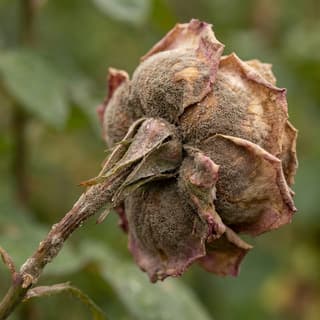
- • Gray fuzzy coating of fungal spores, especially in high humidity
- • Brown to gray circular spots on leaves and petals
- • Shriveled and rotted fruit or plant parts
- • Black, stone-like sclerotia under rotted parts
- • Water-soaked lesions that expand rapidly
- • Wilting and collapse of affected tissues
❓ What Causes Gray Mold (Botrytis Blight) on African Spear?
- → High humidity (above 85%) combined with moderate temperatures (64-73°F/18-23°C)
- → Poor air circulation around plants
- → Overwatering or standing water on foliage
- → Dense plantings with inadequate spacing
- → Damaged or stressed plant tissues
- → Dead flowers and leaves not removed
- → Low light conditions
💊 How to Treat Gray Mold (Botrytis Blight) on African Spear?
TLDR: Treat Gray Mold (Botrytis Blight) on African Spear with quick treatment (~7 days) or organic (~14 days). African Spear has low susceptibility to this disease.
Quick Fixes
Remove and dispose of all visibly infected parts
Remove and dispose of all visibly infected parts
Isolate plant from other healthy plants
Isolate plant from other healthy plants
Apply chemical fungicide (Captan or Chlorothalonil) following instructions
Apply chemical fungicide (Captan or Chlorothalonil) following instructions
Reapply fungicide
Reapply fungicide
Third fungicide application
Third fungicide application
Assess improvement and continue if needed
Assess improvement and continue if needed
Organic Treatment
Remove all infected parts with clean pruners and dispose in plastic bag
Remove all infected parts with clean pruners and dispose in plastic bag
Improve ventilation and reduce plant density
Improve ventilation and reduce plant density
Apply baking soda spray (1 tbsp/quart) to entire plant
Apply baking soda spray (1 tbsp/quart) to entire plant
Apply neem oil to foliage (morning or late afternoon)
Apply neem oil to foliage (morning or late afternoon)
Reapply baking soda spray
Reapply baking soda spray
Apply Bacillus subtilis as biofungicide
Apply Bacillus subtilis as biofungicide
Complete inspection and removal of new spots
Complete inspection and removal of new spots
Final assessment and preventive maintenance
Final assessment and preventive maintenance
🛡️ How to Prevent Gray Mold (Botrytis Blight) on African Spear?
TLDR: Prevent Gray Mold (Botrytis Blight) on African Spear with 8 essential preventive care practices.
- ✓ Maintain good air circulation with adequate plant spacing
- ✓ Avoid overhead watering; use drip irrigation or water at base
- ✓ Remove wilted flowers and fallen leaves immediately
- ✓ Water in the morning to allow foliage to dry during the day
- ✓ Use mulch to prevent soil-borne spores from splashing
- ✓ Keep relative humidity below 85%
- ✓ Improve ventilation in greenhouses and indoor spaces
- ✓ Avoid excessive nitrogen fertilization
🌱 How to Care for African Spear to Prevent Gray Mold (Botrytis Blight)?
💧 How to Water
Water every 2 weeks in spring/summer and only once a month in fall/winter. Allow the soil to dry completely between waterings. Use the "soak and dry" method.
☀️ Lighting
Adapts well to low light conditions but thrives in bright indirect light. Tolerates direct sun, but too intense light may yellow the tips.
🪴 Ideal Soil
Use well-draining substrate with pH between 6-7. Ideal mix: potting soil, sand, and perlite in equal parts. Avoid waterlogged soil.
Frequently asked questions
Can Gray Mold (Botrytis Blight) kill my African Spear?
How long does African Spear take to recover from Gray Mold (Botrytis Blight)?
Is Gray Mold (Botrytis Blight) contagious to other plants near African Spear?
Sources & References
- Botrytis: A Guide to Preventing & Treating Gray Mold | Garden Design
- Gray Mold (Botrytis): Symptoms, Treatment and Control | Planet Natural
- Gray Mold (Botrytis Blight) | Home & Garden Information Center
- Gray Mold (Botrytis) Control: Prevention and Treatment Tips | The Old Farmer's Almanac
- Managing Pests in Gardens: Diseases: Botrytis Blight—UC IPM
- Sansevieria cylindrica: cuidados - Guía completa
- Sansevieria cylindrica (Snake Plant): All You Need To Know
- Dracaena angolensis - Wikipedia
- Dracaena angolensis (African Spear) - World of Succulents