
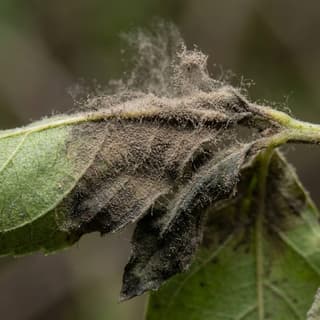
Bearded Iris with Grey Mould: Prevention & Cure
Iris × germanica
Grey Mould on Bearded Iris: What to Know?
Grey Mould on Bearded Iris (Iris × germanica) is a fungal condition with moderate severity. Bearded Iris has moderate susceptibility to this disease.
Bearded Iris is a easy-care plant.
Unlike bacterial infections, Grey Mould on Bearded Iris can be managed with organic fungicides. Without precautions, chemical treatments for Grey Mould can be harmful to pets. Use organic methods for Bearded Iris in pet-friendly homes.
🌱 How to Care for Bearded Iris to Prevent Grey Mould?
💧 How to Water
Water deeply every 7-10 days during spring and summer. Reduce watering significantly in fall and winter. Always water at the base — never overhead — to prevent fungal diseases. Rhizomes should sit slightly exposed to sunlight at the soil surface.
☀️ Lighting
Requires at least 6-8 hours of direct sunlight daily for abundant blooming. In shadier spots, flowering will be sparse or absent. Position in south- or west-facing beds for maximum sun exposure.
🪴 Ideal Soil
Use well-draining, slightly alkaline to neutral soil (pH 6.5-7.5). Avoid compacted clay soils; amend with coarse sand or grit if needed. Do not mulch over rhizomes as this can cause crown rot.