Blue moor grass with Grey Mould? Rare but Treatable
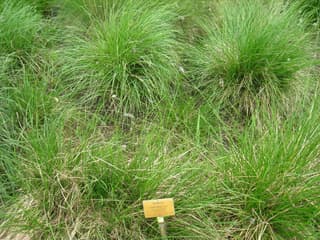
Sesleria caerulea
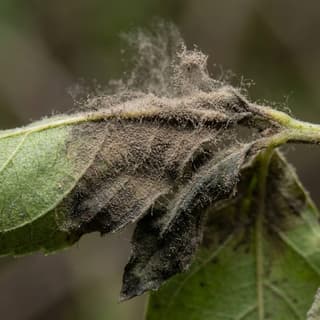
Grey Mould on Blue moor grass: What to Know?
Grey Mould on Blue moor grass (Sesleria caerulea) is a fungal condition with moderate severity. Blue moor grass has low susceptibility to this disease.
Blue moor grass is a easy-care plant.
Unlike most plants, Blue moor grass has natural resistance to Grey Mould. Best treated with preventive measures rather than reactive treatment. Unlike bacterial infections, Grey Mould on Blue moor grass can be managed with organic fungicides.
🌱 How to Care for Blue moor grass to Prevent Grey Mould?
💧 How to Water
Keep soil lightly moist but never waterlogged; let the top layer dry before watering again. Water more often during spring growth and in hot, dry weather, but this grass tolerates short dry spells well once established.
☀️ Lighting
Grows best in full sun, but tolerates partial or dappled shade, especially in hotter climates. More sun generally means denser, more compact growth and better flowering.
🪴 Ideal Soil
Prefers well-drained, neutral to alkaline soil, and is especially at home on chalk or limestone. It also adapts to loamy, sandy or clay soils as long as drainage is good; avoid constantly waterlogged ground.