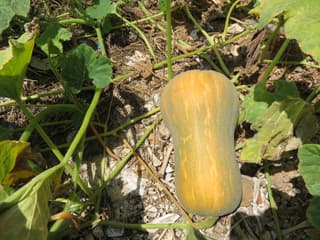
Butternut Squash with Botrytis: Prevention & Cure
Cucurbita moschata
Botrytis on Butternut Squash: What to Know?
Botrytis on Butternut Squash (Cucurbita moschata) is a fungal condition with moderate severity. Butternut Squash has moderate susceptibility to this disease.
Butternut Squash is a easy-care plant.
Unlike bacterial infections, Botrytis on Butternut Squash can be managed with organic fungicides.
🌱 How to Care for Butternut Squash to Prevent Botrytis?
💧 How to Water
Water every 2–3 days, keeping the soil evenly moist but never soggy. Avoid wetting the foliage to reduce the risk of fungal diseases. Water at the base of the plant, ideally in the morning so leaves dry out during the day. Increase frequency during hot, dry spells.
☀️ Lighting
Requires full sun — at least 6 to 8 hours of direct sunlight per day. This is an open-field plant that does not tolerate shade. Choose an unobstructed outdoor location with maximum sun exposure.
🪴 Ideal Soil
Prefers rich, fertile, well-draining soil with plenty of organic matter. Ideal pH is between 6.0 and 6.8. Amend the soil with compost or aged manure before planting to improve fertility, structure, and moisture retention.