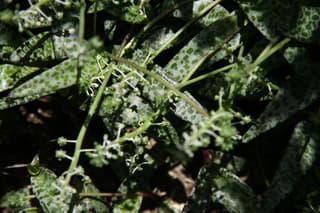
Silver Squill with Botrytis? Rare but Treatable
Ledebouria socialis
Botrytis on Silver Squill: What to Know?
Botrytis on Silver Squill (Ledebouria socialis) is a fungal condition with moderate severity. Silver Squill has low susceptibility to this disease.
Silver Squill is a easy-care plant. As an indoor plant, ensure good ventilation to aid recovery.
Unlike most plants, Silver Squill has natural resistance to Botrytis. Best treated with preventive measures rather than reactive treatment. Unlike bacterial infections, Botrytis on Silver Squill can be managed with organic fungicides. Without precautions, chemical treatments for Botrytis can be harmful to pets. Use organic methods for Silver Squill in pet-friendly homes.
🌱 How to Care for Silver Squill to Prevent Botrytis?
💧 How to Water
Water every 2–3 weeks during the growing season, allowing the top inch (and ideally more) of soil to dry out completely before watering again. In winter, reduce to once per month or less. Never let the bulbs sit in soggy soil, as this quickly leads to rot.
☀️ Lighting
Place in bright, indirect light — a spot near an east- or west-facing window is ideal. It tolerates a few hours of direct morning sun but should be shielded from harsh afternoon sun. Avoid deep shade, which causes leggy, pale growth.
🪴 Ideal Soil
Use a well-draining mix such as a cactus/succulent potting blend or standard potting soil amended with perlite or coarse sand. A slightly acidic to neutral pH of 6.0–8.0 is acceptable. Good drainage is critical to prevent bulb and root rot.