Chinese Taro with Grey Mould? Rare but Treatable
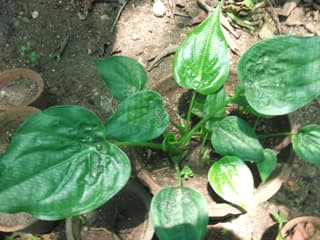
Alocasia cucullata
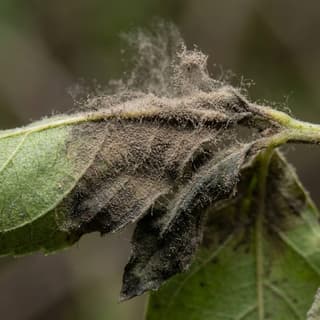
Grey Mould on Chinese Taro: What to Know?
Grey Mould on Chinese Taro (Alocasia cucullata) is a fungal condition with moderate severity. Chinese Taro has low susceptibility to this disease.
Chinese Taro is a medium-care plant. As an indoor plant, ensure good ventilation to aid recovery.
Unlike most plants, Chinese Taro has natural resistance to Grey Mould. Best treated with preventive measures rather than reactive treatment. Unlike bacterial infections, Grey Mould on Chinese Taro can be managed with organic fungicides. Without precautions, chemical treatments for Grey Mould can be harmful to pets. Use organic methods for Chinese Taro in pet-friendly homes.
🌱 How to Care for Chinese Taro to Prevent Grey Mould?
💧 How to Water
Water every 7 days. Allow the top 2–3 cm (about an inch) of soil to dry out before watering again. Avoid waterlogging — soggy soil quickly causes root rot. In winter, reduce watering frequency slightly as growth slows.
☀️ Lighting
Place in bright, indirect light — ideally within 1–2 metres of a bright window. Avoid direct sun, which scorches the large leaves. It can tolerate medium light but growth will slow. A north or east-facing window is ideal indoors.
🪴 Ideal Soil
Use a well-draining mix: 60% quality potting soil + 30% perlite + 10% orchid bark. This ensures moisture retention without waterlogging. Soil pH should be 5.5–6.5 (slightly acidic). Avoid heavy clay-based soils that stay wet.