
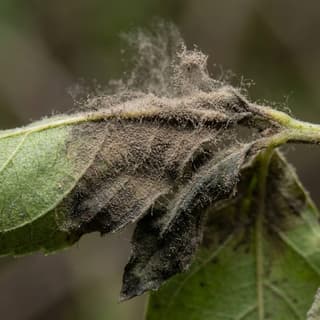
Common Poppy with Grey Mould: Prevention & Cure
Papaver rhoeas
Grey Mould on Common Poppy: What to Know?
Grey Mould on Common Poppy (Papaver rhoeas) is a fungal condition with moderate severity. Common Poppy has moderate susceptibility to this disease.
Common Poppy is a easy-care plant.
Unlike bacterial infections, Grey Mould on Common Poppy can be managed with organic fungicides. Without precautions, chemical treatments for Grey Mould can be harmful to pets. Use organic methods for Common Poppy in pet-friendly homes.
🌱 How to Care for Common Poppy to Prevent Grey Mould?
💧 How to Water
Water moderately, allowing the top inch of soil to dry between waterings. Once established, the Common Poppy is drought-tolerant and does not need frequent watering. Avoid overwatering as it leads to root rot.
☀️ Lighting
Requires full sun — at least 6 hours of direct sunlight daily. In partial shade, stems become leggy and flowers may fail to open fully. Best positioned in open, sunny spots.
🪴 Ideal Soil
Well-draining soil is essential. Adapts to poor, sandy, or loamy soils. Avoid heavy clay or waterlogged conditions. Adding sand or grit improves drainage in heavier soils.