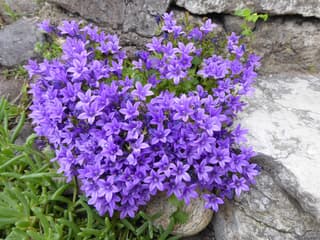
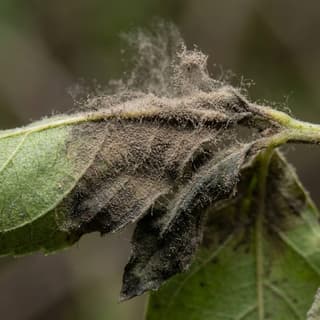
Dalmatian Bellflower with Grey Mould: Prevention & Cure
Campanula portenschlagiana
Grey Mould on Dalmatian Bellflower: What to Know?
Grey Mould on Dalmatian Bellflower (Campanula portenschlagiana) is a fungal condition with moderate severity. Dalmatian Bellflower has moderate susceptibility to this disease.
Dalmatian Bellflower is a easy-care plant. As an indoor plant, ensure good ventilation to aid recovery.
Unlike bacterial infections, Grey Mould on Dalmatian Bellflower can be managed with organic fungicides.
🌱 How to Care for Dalmatian Bellflower to Prevent Grey Mould?
💧 How to Water
Water every 2-3 days during spring and summer, allowing the top layer of soil to partially dry out between waterings. Avoid waterlogging the roots, as excess moisture can cause fungal root rot. Reduce watering significantly in autumn and winter.
☀️ Lighting
Thrives in full sun to dappled shade. In hotter climates, provide afternoon shade to prevent leaf scorch. Bright light encourages prolific flowering. Avoid deep shade, which reduces blooming.
🪴 Ideal Soil
Plant in well-draining, loamy to sandy soil enriched with organic matter. Adding perlite or coarse grit improves drainage. Tolerates chalky and slightly alkaline soils. Avoid heavy clay or waterlogged conditions.