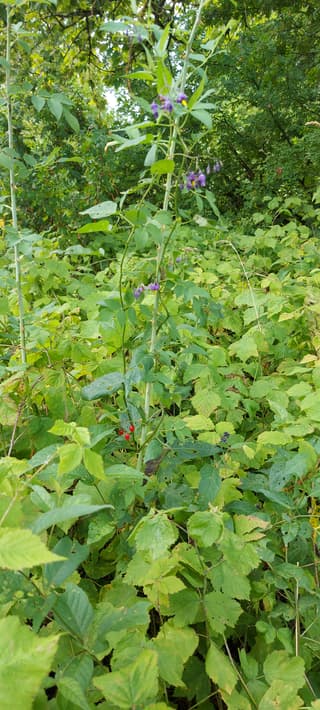
Bittersweet Nightshade with Botrytis? Rare but Treatable
Solanum dulcamara
Botrytis on Bittersweet Nightshade: What to Know?
Botrytis on Bittersweet Nightshade (Solanum dulcamara) is a fungal condition with moderate severity. Bittersweet Nightshade has low susceptibility to this disease.
Bittersweet Nightshade is a medium-care plant.
Unlike most plants, Bittersweet Nightshade has natural resistance to Botrytis. Best treated with preventive measures rather than reactive treatment. Unlike bacterial infections, Botrytis on Bittersweet Nightshade can be managed with organic fungicides. Without precautions, chemical treatments for Botrytis can be harmful to pets. Use organic methods for Bittersweet Nightshade in pet-friendly homes.
🌱 How to Care for Bittersweet Nightshade to Prevent Botrytis?
💧 How to Water
Water deeply every 7 days, allowing the top inch of soil to dry slightly between waterings. Avoid waterlogging which causes root rot. During hot summers, check soil moisture more frequently and water when the top layer feels barely dry.
☀️ Lighting
Thrives in partial shade to filtered sun — ideally 4–6 hours of indirect or dappled light daily. Tolerates full sun in cooler climates but may scorch in intense afternoon heat. Morning light is ideal.
🪴 Ideal Soil
Prefers moist, loamy, well-draining soil rich in organic matter. pH range of 5.5–7.5. Avoid heavy clay (poor drainage) or pure sandy soils (dries too fast). Amend with compost for best results.