
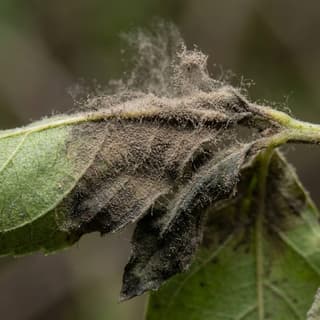
English Yew with Grey Mould? Rare but Treatable
Taxus baccata
Grey Mould on English Yew: What to Know?
Grey Mould on English Yew (Taxus baccata) is a fungal condition with moderate severity. English Yew has low susceptibility to this disease.
English Yew is a medium-care plant.
Unlike most plants, English Yew has natural resistance to Grey Mould. Best treated with preventive measures rather than reactive treatment. Unlike bacterial infections, Grey Mould on English Yew can be managed with organic fungicides. Without precautions, chemical treatments for Grey Mould can be harmful to pets. Use organic methods for English Yew in pet-friendly homes.
🌱 How to Care for English Yew to Prevent Grey Mould?
💧 How to Water
Water every 14 days during the growing season. The yew tolerates short periods of drought well once rooted, but does not tolerate permanently wet soil or water pooling at the roots. Significantly reduce watering in winter.
☀️ Lighting
The yew is extremely adaptable to light: it tolerates full shade (dense forests), partial shade, and direct sunlight. It grows well in any exposure (north, south, east, west). Avoid only locations with excessive heat combined with dry soil.
🪴 Ideal Soil
Prefers well-drained, rich soil with a pH between 5.0 and 8.0. It adapts to clay, sandy, chalky, and loamy soils, as long as there is no water stagnation. It does not tolerate compacted soil or excess moisture at the roots.