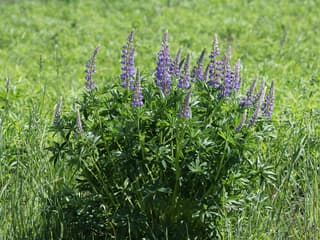
Perennial Lupine with Botrytis: Prevention & Cure
Lupinus polyphyllus
Botrytis on Perennial Lupine: What to Know?
Botrytis on Perennial Lupine (Lupinus polyphyllus) is a fungal condition with moderate severity. Perennial Lupine has moderate susceptibility to this disease.
Perennial Lupine is a medium-care plant.
Unlike bacterial infections, Botrytis on Perennial Lupine can be managed with organic fungicides. Without precautions, chemical treatments for Botrytis can be harmful to pets. Use organic methods for Perennial Lupine in pet-friendly homes.
🌱 How to Care for Perennial Lupine to Prevent Botrytis?
💧 How to Water
Water deeply every 3 to 5 days, ensuring the soil remains cool and moist but never waterlogged. Lupine is particularly sensitive to overwatering, which quickly leads to root rot. During hot periods, monitor soil moisture more frequently. Avoid watering the foliage to limit the risk of fungal diseases.
☀️ Lighting
Perennial lupine thrives in full sun, with at least 6 hours of direct sunlight per day. It tolerates light partial shade, but flowering will be less abundant. In regions with hot summers, light afternoon shade can protect the plant from leaf scorch and prolong flowering.
🪴 Ideal Soil
Plant lupine in loamy, well-drained soil rich in organic matter. The ideal pH is between 6.0 and 7.5. Amend the soil with compost or well-rotted manure before planting. Avoid heavy, clayey soils that retain water. Lupine is a legume that fixes atmospheric nitrogen and naturally improves soil fertility.