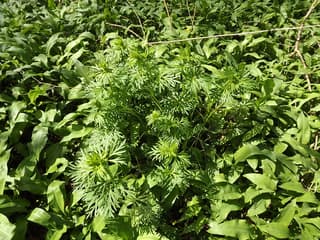
Monkshood with Botrytis? Rare but Treatable
Aconitum napellus
Botrytis on Monkshood: What to Know?
Botrytis on Monkshood (Aconitum napellus) is a fungal condition with moderate severity. Monkshood has low susceptibility to this disease.
Monkshood is a hard-care plant.
Unlike most plants, Monkshood has natural resistance to Botrytis. Best treated with preventive measures rather than reactive treatment. Unlike bacterial infections, Botrytis on Monkshood can be managed with organic fungicides. Without precautions, chemical treatments for Botrytis can be harmful to pets. Use organic methods for Monkshood in pet-friendly homes.
🌱 How to Care for Monkshood to Prevent Botrytis?
💧 How to Water
Keep the soil consistently moist throughout the growing season, providing at least 2.5 cm (1 inch) of water per week — increase frequency during hot dry spells but never allow roots to sit in waterlogged soil. Reduce watering significantly during winter dormancy.
☀️ Lighting
Partial shade is ideal, making it excellent for dappled woodland borders or north-facing beds; it tolerates full sun in cooler climates provided the soil remains consistently moist. Avoid prolonged exposure to intense midday sun in warm or arid regions.
🪴 Ideal Soil
Plant in deep, fertile, humus-rich, well-draining soil with a pH of 5.5–7.5; amend with generous compost and leaf mould before planting. Tolerates loamy, sandy, and heavy clay soils as long as drainage is adequate.