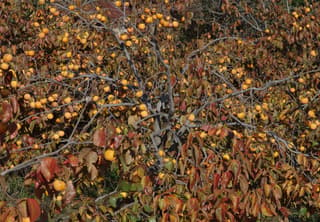
Japanese Persimmon with Botrytis? Rare but Treatable
Diospyros kaki
Botrytis on Japanese Persimmon: What to Know?
Botrytis on Japanese Persimmon (Diospyros kaki) is a fungal condition with moderate severity. Japanese Persimmon has low susceptibility to this disease.
Japanese Persimmon is a medium-care plant.
Unlike most plants, Japanese Persimmon has natural resistance to Botrytis. Best treated with preventive measures rather than reactive treatment. Unlike bacterial infections, Botrytis on Japanese Persimmon can be managed with organic fungicides.
🌱 How to Care for Japanese Persimmon to Prevent Botrytis?
💧 How to Water
Water regularly during spring and summer, especially during fruit development, keeping soil evenly moist but never waterlogged. Watering every 14 days is adequate in temperate climates. Reduce irrigation in autumn and withhold almost entirely in winter during dormancy. Established trees tolerate moderate drought, but poorly drained soils cause root rot.
☀️ Lighting
Japanese persimmon requires full sun to produce large, flavorful fruit — at least 6 to 8 hours of direct sunlight daily. In partial shade, the tree survives but fruit production is significantly reduced. Plant in an open, sheltered position where it receives intense light throughout the day, protected from strong winds.
🪴 Ideal Soil
Prefers deep, fertile, well-drained soil with a loamy texture. Ideal pH range is 6.0 to 7.5. Avoid compacted or waterlogged soils, as poor drainage promotes fungal root diseases. Amend with organic compost before planting to ensure good water retention and nutrient availability.